TheScientificTriangle
What about the environment and science
The AI Summit Silicon Valley 2021

Learn more about what’s happening at The AI Summit Silicon Valley , California, United States, this year, with industry leaders participating from all corners of the world. The conference will be held in person and virtually due to Covid-19 restrictions.
The AI Summit Silicon Valley 2021
When: Wednesday, November 3, 2021 (9:30 am – 5:00 pm)
Thursday, November 4, 2021 (9:30 am – 4:00 pm)
Where: Santa Clara Convention Center, Santa Clara, CA, United States
Registration Website: https://sanfrancisco.theaisummit.com/
The AI Summit Silicon Valley is all set to be held from November 3-4, 2021 at the Santa Clara Convention Center, California, United States. The sixth annual conference is being organized in association with the IoT World Silicon Valley. This annual conference will cover everything happening in the world of Artificial Intelligence from Research & Development to ROI. Apart from this, the conference would also centre around the entire ecosystem comprising IoT components and AI apps.
The AI Summit is the foremost event on the West Coast that is attempting to unravel the real-world impact of AI on business productivity. The blockbuster event will be held in person as well as virtually for all attendees from all parts of the globe. Being described as a ‘Hybrid’ event, this conference would help in-person attendees of North America interact with the global virtual audiences. The physical event in California would be organized by the Informa AllSecure Standard.
The annual convene is being powered by industry leaders where attendees will get a chance to engage with the leading AI organizations of the world. The AI Summit Silicon Valley will be bringing together all pioneering AI projects from every industrial sector of the world. It is estimated that about 120 countries would be represented at this annual summit.
A brief history of The AI Summit Silicon Valley

Image Credit: The AI Summit
The AI Summit Silicon Valley, formerly AI Summit San Francisco, is being organized for the sixth time since 2016. It is responsible for organizing conferences and exhibitions at some of the world’s most prominent AI hubs.
For the IoT World, this is the 8th annual conference. The IoT World has hosted various events in North America, Europe, Asia, Africa, and China. While this year, due to Covid-19, most conferences are being organized virtually but next year onwards, several events are already lining up to be held physically worldwide.
The AI Summit Global Series Schedule
Here is the AI Summit Global Series at a glance:
| Event | Dates | Venue |
| The AI Summit London | September 22-23, 2021 | ExCeL London, Newham, East London |
| The AI Summit Silicon Valley | November 3-4, 2021 | Santa Clara Convention Centre, California, US |
| The AI Summit Cape Town | November 8-12, 2021 | Cape Town International Convention Centre, Cape Town, South Africa |
| The AI Summit, New York | December 8-9, 2021 | Javits Centre, Manhattan, New York City, US |
| The Quantum Computing Summit | Singapore, London & Silicon Valley |
Why should you attend The AI Summit Silicon Valley?
AI is helping businesses accelerate their productivity in numerous ways. So, if you want to know why you should be a part of The AI Summit Silicon Valley, then here are some excellent reasons for you:
- More than 200 sessions would be conducted at the conference to provide exclusive insight for initiators, implementors, and practitioners.
- This event will help connect the global AI ecosystem to exchange ideas and overcome challenges faced in different projects.
- Also, this AI conference is the best place to create a benchmark for your organization.
- It will also present you with opportunities to move past established trends with the help of exclusive digital research reports from OMDIA. OMDIA is currently the leading AI research house in the world. OMDIA offers comprehensive understanding through research papers, trainings, and much more about how AI is affecting businesses.
- Acclaimed speakers will provide helpful insights on everything beginning from process intelligence to quantum AI.
- With an ecosystem of over 5,000 start-ups, 20,000 delegates, and elite sponsors, this summit brings scope to interact and have an audience with top-notch AI experts.
- On top of this, you will get access to the technical streams of Retail, Healthcare, Finance, and AIOps.
Passes & Pricing
The below table provides information on the types of passes and pricing:
| Type of Pass | Pricing | Access provided to |
| All Access Pass | $2,699 | Provides access to a network of 5,000 strategists.First-hand experience of latest tech releases. |
| Vertical Pass | Access to 7 tracks of content: Connected Healthcare, Finance, Industrial IoT, Smart Cities & Environments, Digital Media & Streaming, CX, Marketing & eCommerce, AIOps. | |
| Technology Pass | $2,299 | Technology-specific content: 5G, AI Engineering,Quantum Computing,Intelligent Security, etc. |
Some eminent speakers at The AI Summit Silicon Valley
Here is a short list of speakers who are going to be at the Silicon Valley AI Summit:
- Wendy Tan White, VP-Moonshots, Alphabet X.
- Rajeev Sambyal, Director of Artificial Intelligence and Innovation, BNY Mellon.
- Dominique Izbicki, Executive Director AI Product, Comcast.
- Rob Carter, Group CIO, FedEx.
- Ken Washington, CTO, Ford.
- Christel Chehoud, Director of RD Data Science, Johnson & Johnson.
- Jim Elliot, Corporate VP of Memory Sales and Marketing, Samsung.
- Danny Lange, VP AI, Unity Technologies.
- Pardis Noorzad, Head of Data Science.
Notable participants
It will have more than 150 speakers along with 100 or more exhibitors. Over 4000 attendees at the summit would find exclusive access to AI Project Labs, The Quantum Computing Summit, AI Tech Tours, and OMDIA Workshops.
Partners
Noteworthy participants include Google, AWS, IBM Watson, Microsoft, Samsung, Intel, IBM, Genpact, Cisco, KPMG, Facebook, Hewlett Packard, Oracle, etc. Besides this, there are several sponsors, exhibitors, and other partners.
Sponsors
There are multiple categories of sponsors at The AI Summit.
Platinum Sponsors: Accenture, Samsung, Hewlett Packard Enterprise
Gold Sponsors: BlueYonder, Cambridge Consultants
Silver Sponsors: IBM, Avanade
Exhibitors
Cloud Factory, Tiger Analytics, Appen, and many more exhibitors are going to be at the AI Summit.
Final Thoughts
So, if you are an innovator or implementers and want to forward your business with AI, then this is the best place for you to be in the month of November 2021. Stay tuned and keep watching this space for more interesting updates from the world of AI and modern-age technology.
NASA’s James Webb Space Telescope Launch on December 18
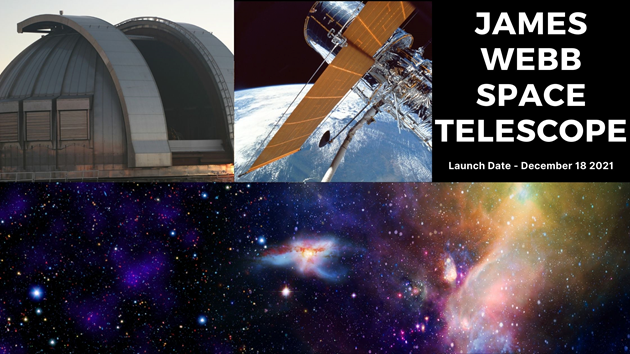
Read this post to learn more about the much awaited NASA’s James Webb Space Telescope launch. Scheduled for launch on December 18, 2021, the Webb is all set to succeed Hubble.
The James Webb Space Telescope launch date is set to December 18, 2021. NASA is busy preparing for the launch of Hubble’s successor, the James Webb Space Telescope into orbit by the end of this year. The Webb Space Telescope is now going to be the primary deep space observatory for the following decade. The Webb, formerly the Next Generation Space Telescope, was renamed after James Webb, NASA’s former administrator.
JWST is a joint venture between NASA, the European Space Agency, and the Canadian Space Agency. The Goddard Space Flight Centre of NASA in Greenbelt, Maryland was responsible for managing the construction of the James Webb Space Telescope. Meanwhile, Northrop Grumman is the major industrial partner. Post-launch, the Space Telescope Science Institute in Baltimore would be handling operations of the Webb as it did for Hubble.
It is ready to succeed the Hubble Space Telescope which experienced a major payload malfunction leading to the suspension of operations on June 13, 2021. NASA’s flagship astrophysics mission’s began in the year 1990 with the launch of the world’s most powerful optical telescope back then – the Hubble Space Telescope. Hubble’s programme was initiated at NASA’s Space Telescope Science Institute in Baltimore, Maryland. The $1.2 billion observatory was then expected to explore space like never before and collect an unimaginable amount of data.
Now the Webb is here to carry on more advanced space research and data collection. Development and construction of the JWST commenced in 1996 which was back then scheduled for an early launch date in 2007. With an initial budget of 500 million USD, the project underwent several delays due to massive design changes in 2005. The construction of the Webb Space Telescope was completed towards the later part of 2016. However, a few more hassles and hiccups along with the Covid-19 pandemic outbreak led to the delay of the launch. By December 2020, the sun shield of the fully integrated James Webb Space Agency completed its final rounds of testing and approvals.
Finally, on September 8, 2021, the James Webb Space Telescope launch date was announced by NASA & ESA to be December 18, 2021. Cost overruns pushed the cost of development to approximately 10 billion USD. The new official launch date was declared by the space agencies after they completed several tests successfully. The ESA reportedly confirmed finishing with tests on August 26, 2021. Webb’s testing was carried out at Northrop Grumman’s facilities in California. At that time, the ESA also said that they were preparing the Webb for shipment to its launch location. The launch will happen from the European Spaceport on the northeastern coast in French Guiana.
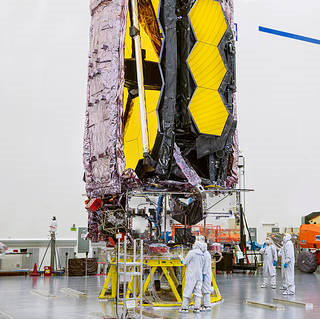
NASA preparing for the James Webb Space Telescope December launch
Once JWST arrives at the European Spaceport, the launch processing teams would carry out the post-shipment inspections. Then, the team will load the spacecraft’s propellant tanks with fuel. Post this, the team of engineers will configure the observatory for flight. The Webb will shoot into orbit on ESA’s Ariane 5 rocket. They would also carry out rehearsals for the launch process two days in advance from the scheduled date of launch. The launch campaign would be in effect for 70 days.
Numerous experts, scientists, technicians, and engineers are part of the construction, testing, and launch of the Webb. A total of 258 companies, universities, and agencies from the US, 12 nations of Europe, and Canada have participated in the making of JWST.
Stay tuned for more updates!
Cure for Covid-19 Found in Brazilian Viper Venom

We all knew that a viper’s venom is deadly but who knew that it could probably be a cure for Covid-19? Read ahead to find more about the prospect of this latest research that could be a game-changer in the fight against Covid-19.
Researchers from the University of Sao Paulo in Brazil have identified a molecule present in the jararacussu pit viper’s venom that can kill the Coronavirus’ PLPro enzyme and hence prevent it from multiplying.
Combating and finding the Covid-19 cure has been a massive challenge for the medical fraternity and the pharmaceutical industry since 2020. Ever since the WHO declared Covid-19 as a pandemic, scientists from every corner of the world have dedicated themselves to finding a breakthrough cure for Covid-19.
From the initial days, medical practitioners have tried odd combinations of existing drugs and therapeutic protocols to treat patients with Covid-19 infections. Clinical management of Covid-19 has been attempted worldwide with various classes of medications starting from antimalarials (Chloroquine and Hydroxychloroquine) to H2 receptor antagonists (Famotidine), broad-spectrum anti-parasitic drugs (Ivermectin), corticosteroids, immunomodulators, antiretrovirals, and whatnot!
Research at the University of Sao Paulo to find Covid-19 cure

A study was conducted by researchers at the University of Sao Paulo to test the efficacy of the viper snake species’ venom on monkeys. The research findings have been published this month in the scientific journal Molecules. In an interview with the news agency, Reuters, Rafael Guido, a professor and an author of the study said that the peptide molecule in the Brazilian viper’s venom was able to inhibit the Coronavirus’ reproduction in the host (monkey) by 75%. However, the venom molecule did not harm the host body’s cells and only targeted the virus’ PLPro enzyme. If the virus’ multiplication can be stopped then Covid-19 can be cured easily.
The chain of amino acids in the Brazilian viper’s venom has also shown promising antibacterial qualities in earlier studies. One interesting fact about the peptide molecule is that it can be lab synthesized. Therefore, it eliminates the need for capturing the snakes from their wild habitat to isolate the protein molecule. Adding to this, herpetologist of Sao Paulo’s Butantan Institute’s Biological Collection said that the venom of the jararacussu is not the anti-Covid drug exactly but a protein molecule present in it. Hence there is no need of hunting down the snakes for its venom.
After initial success, researchers will next study the efficacy of different doses of the molecule in the host. It will also be evaluated if it is possible to completely prevent the virus infection. The study is then aimed to progress to human trials phases.
This study has opened new doors of hope in humanity’s battle against the deadly virus, especially in the wake of the Covid-19 vaccine’s ineffectiveness being reported from countries worldwide. British scientists have found that the impact of two doses of Pfizer/BioNTech and the Oxford/AstraZeneca vaccines are appearing to become ineffective in six months. On the other hand, many other vaccines are not showing promising defense against newer strains of the virus.
University of Sao Paolo, Brazil
The University of Sao Paulo in the Brazilian state of Sao Paulo is the largest Brazilian public university which was founded in 1934. USP is among the world’s top universities and was placed at rank 70. It operates four hospitals and the University of Sao Paulo Medical School Public Hospital is a seat of teaching, medical training, and advanced research. Besides this, USP has 42 libraries and a number of museums and art galleries on the central campus.
Bothrops jararacussu
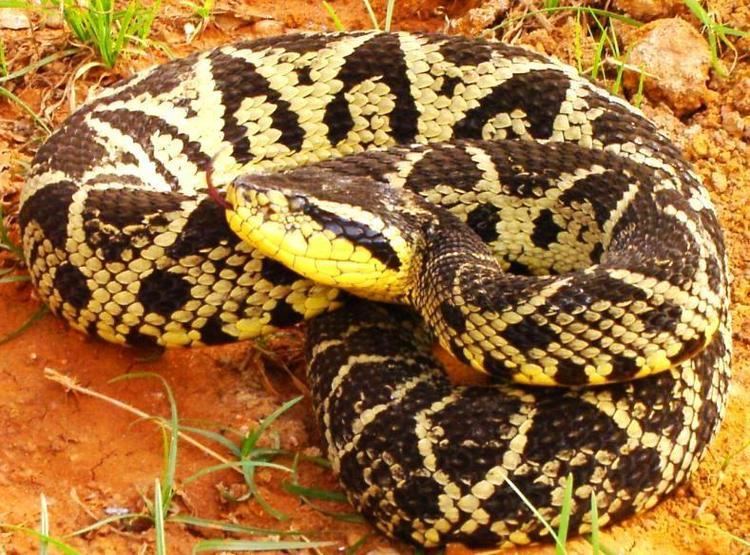
Bothrops jararacussu is a highly poisonous pit viper snake species native to the continent of South America with a geographical distribution in coastal Brazil, Paraguay, Argentina, and Bolivia. Mostly found in Atlantic forests, semi-deciduous forests, and swamps along river banks, this species of snake is severely dreaded. It can grow up to lengths of 2.2 meters and has fangs of 2.5 centimeters. Having a nocturnal hunting pattern, the Brazilian viper venom contains cytotoxins, hemotoxins, and myotoxins.
Is there a cure for Covid-19?
Well, nobody is certain at the moment but attempts are being carried on to find a drug to treat Covid-19 patients so that the world can soon return to a state of normalcy and mask-free breathing. Mutations in the spike protein of the virus is already challenging the vaccines developed for the novel Coronavirus. Therefore, a drug derived from the Brazilian viper venom might kill the Covid-19 virus and help patients recover better and faster.
A Smoothhound Female Shark Gives Birth to a Shark Pup by Parthenogenesis

Scientists at the Cala Gonone Aquarium, Sardinia, Italy, recently witnessed a rare case of “virgin birth” or parthenogenesis in the smoothhound shark species. The mother shark was kept in an all-female shark tank for a decade. She gave birth to her offspring without being fertilized by a male shark’s sperm. The baby shark has been named Ispera meaning “hope” in Maltese.
The mother shark was in a tank with another female and hadn’t been in contact with male sharks for a long period of time. According to scientists, this form of asexual reproduction might be the very first documented event for the smoothhound shark species.
Marine biologists have sent the DNA samples of the newly born shark pup to a lab to prove her birth through parthenogenesis. According to Christine Dudgeon, a biosciences researcher at the University of Queensland, Australia, said, “Mortality in young sharks is common” and it is not known as to why this happens. However, the baby shark is looking healthy to the team of scientists surrounding her. The scientists are also hoping that Ispera, the baby shark could be bred in captivity to live a normal life.
Parthenogenesis is a form of asexual reproduction in which a female’s egg develops into an embryo without being fertilized by a male’s sperm. The term parthenogenesis is derived from the Greek words; Parthenos which means ‘virgin’ and Genesis meaning ‘origin.’
This phenomenon of a female’s ability to self-fertilize her eggs in extreme environmental conditions is a rare occurrence in nature. This form of inbreeding is a female’s last resort to save her species in the absence of a male.
Among sharks and ray fish, about 15 species have so far shown the ability to give virgin births. Reportedly, parthenogenesis has been observed in carpet sharks, zebra sharks, and some more species. Both oviparous and viviparous sharks have given birth by parthenogenesis.
The Director of the sharks and rays conservation program at Mote Marine Laboratory & Aquarium in Florida, Demian Chapman, told that in the past it has been particularly difficult to document such an event for shark species in their natural habitat. Sharks are capable of parthenogenesis in extreme situations like overfishing, climate change, predation, diseases, etc. When isolated from males in the wild or captivity for long periods, then female sharks may choose to reproduce asexually.
Parthenogenesis in brief
The production of an embryo from an unfertilized female gamete is witnessed in lower organisms normally but is a rare phenomenon in higher animals. Parthenogenesis is seen in some plant species, some invertebrate animal species (nematodes, tardigrades, scorpions, bees, parasitic wasps), and about 80 vertebrate species (fish, reptiles, amphibians, and some bird species).
Parthenogenetic development can proceed via various routes depending on whether the egg develops via meiosis or mitosis. If meiosis has failed to occur, then the offspring would mostly be a female. Egg cells are normally haploid as a result of meiosis and only when fertilized by the sperm cells become diploid. But parthenogenic offspring have a diploid chromosome. Based on the method of development in restoring the diploid pair of chromosomes, they might either become full clones or half clones of the mother.
Apomictic parthenogenesis is the type of egg development where meiosis is absent and the egg develops into a diploid zygote. This leads to the production of offspring which are genetically identical modules of the same genet.
On the other hand, automixis is the restoration of diploidy due to the fusion of the egg with a second polar body. The second polar body might be produced at the same time as the egg and acts like a pseudo-sperm cell with one strand of DNA. The resultant offspring is not the exact clone of the mother.
Though the offspring has the same genetic constitution as the mother yet it isn’t the mother’s exact clone according to biosciences researcher, Christine Dudgeon. Gametes have a unique combination of genes randomly selected from the parent at the time of its formation. Thus, the genetic makeup of each gamete is different. Hence when an egg cell combines with a polar body, a genetically different offspring comes into existence.
Those species which use the XY sex-determination system have two X chromosomes and the parthenogenetic offspring is female. While those species that use the ZW sex-determination system have either two Z chromosomes (male offspring) or two W chromosomes (non-viable or female offspring). Sometimes, it is also possible that the offspring has one Z and one W chromosome (a female offspring).
The Cala Gonone Aquarium, Sardinia, Italy
The Cala Gonone Aquarium in Sardinia was inaugurated on July 10, 2010, in the Gulf of Orosei. It has access to more than three hundred marine species from the Mediterranean Sea. The group of 25 aquariums presents an unfathomable journey from the shore to the deep sea. Visitors can experience, sea urchins, jellyfish, stingrays, hermit crabs, sharks, starfish, and a lot more in this magnificent aquarium.
Carbon Footprint and Climate Change
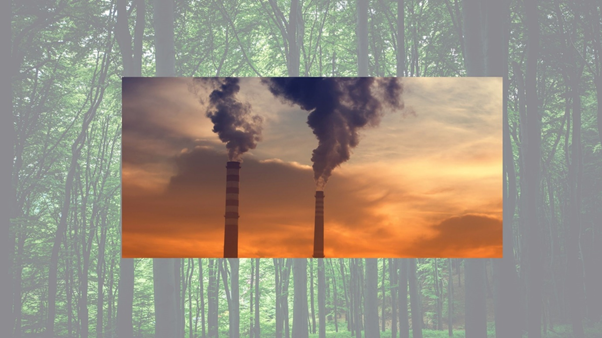
You might have often come across the term “carbon footprint” and wondered what does it mean?
Well, according to the World Health Organization, this term refers to the measure of the carbon dioxide (CO2) which is generated by our regular actions and released into the environment as a result of burning fossil fuels.
Currently, one person in the United States has an average carbon footprint of 16 tons. In general, our daily activities directly or indirectly result in the emission of greenhouse gases. Hence the entire amount of these emissions is what is referred to as our carbon footprint. Starting from transportation activities to food & water use, energy consumption, and improper waste management accounts for higher emission of greenhouse gases.
A fossil-fuel-free future
Expressed in the form of weight equivalent to tons of CO2 emissions, the term “carbon footprint” was originally coined in the early 1990s by William Rees, Canadian ecologist, and Mathis Wackernagel, regional planner at the University of British Columbia. However, the term was popularized by the famous PR agency, Ogilvy & Mather, on behalf of British Petroleum sometime later.
It is to be noted that carbon footprint is different from the ecological footprint. While carbon footprint is the measurement of the emission of carbon dioxide, the ecological footprint is the measure of bio-productive space. So, the ecological footprint is an umbrella term.
About 200 countries from all around the globe participated in the Paris Climate Agreement in December 2015 including the oil-exporting countries. All participating nations unanimously agreed to make efforts to reduce global warming and to keep the global temperatures below 2 degrees Celsius. Hence the focus of the world has now shifted to cease using fossil fuels before 2050 and completely switch to green technology.
How to calculate carbon footprint?
There are several carbon footprint calculator sites available online to help you calculate your approximate and exact role in contributing to the emission of greenhouse gases.
- The Nature Conservancy
- U.S. Environmental Protection Agency
- Conservation International
- ICAO Carbon Emissions Calculator
- Carbon Footprint Calculator: Tata Power
How to reduce carbon footprint?
If you have already taken the carbon footprint test and you are wondering how to reduce it, then here are some effective ways to do so.
- Avoid wasting food and reduce eating animal products and meat.
- If you want to do your bit in reducing greenhouse gases, then walk, carpool, use public transit, or switch to driving electric vehicles.
- Avoid flying frequently if you can take alternative routes of travel.
- Decrease your water and energy consumptions on a daily basis.
- Go with energy-efficient lighting and LEDs in your house.
- Recycle waste products or compost them.
- Purchase goods with minimal packaging.
- Buy electronic goods and products with a low carbon footprint.
- Unplug electronic devices when not in use.
- Harvest rainwater and use it as an alternative to groundwater.
- Switch to clean energy supplier.
A final note
Hopefully, now you can find your carbon footprint and follow the above measures to reduce it. To save our home planet, we all must take the necessary steps on each one’s part instead of just waiting for the governments and the bigger corporations to make the difference.
- https://www.nature.org/en-us/get-involved/how-to-help/carbon-footprint-calculator/
- https://atomic-temporary-142903702.wpcomstaging.com/2021/08/23/understanding-green-technology/
- http://www.nature.org/greenliving/carboncalculator/
- http://www3.epa.gov/carbon-footprint-calculator
- https://www.conservation.org/carbon-footprint-calculator#/
- https://www.icao.int/environmental-protection/Carbonoffset
- https://www.tatapower.com/sustainability/sustainability-initiatives/customer/calculate-carbon-footprints.aspx
Prospects of Green Technology
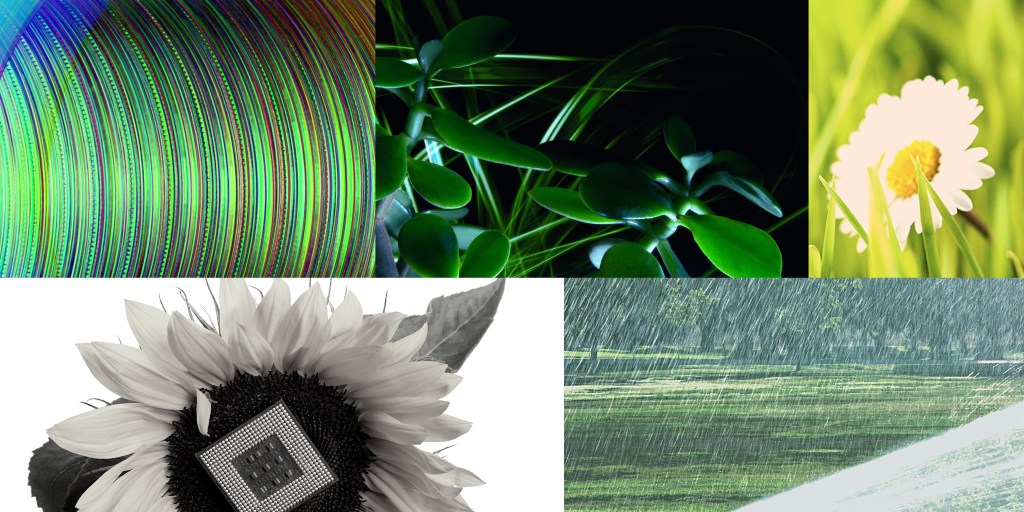
The prospects of green technology is bright. Those who are hesitating right now to make the move towards it would soon realize they were wrong in not choosing it.
What is Green Technology is discussed as a topic several times here? We know a lot about it. Any technology, contributing to the cleaning or betterment of the organization is what Green Technology is.
Environment monitoring devices, green chemicals, models, and technologies to build a green world, all are a part of Green Technology.
It is by now, quite clear to us that Green Technology is being designed to preserve mother Earth, recycle her components, revive her health and overall wellbeing.
Doing it is just not going to help her but due to a positive chain reaction (benefits passing from one to another), it would also bring good news for the now struggling human population.
It’s true, we have never been better than this era. Every type of development exists today, almost, in every field, and we are planning to thwart every limitation that stands in our way.
Strangely we have almost forgotten that Mother Nature is what gives us what we use for our daily living. So, instead of keeping her healthy, we keep emptying her more and more, hollowing her, deepening her wounds, we forge our walls and technology.
The cost will not be paid by this generation, of course, but as I had mentioned in an earlier post, by our future generations. Basically, we are trying to build children who would blame us for their destruction.
Nonetheless, it is important to create more and more work, sustain as many stomachs as possible, and now there seems to be a rigid competition, literally a tug-of-war between fulfilling our wants and safeguarding the resources.
Why Green Technology is being preferred
Human intellect though rare but is an amazing gift of Nature and some of us are striking hard to find a balance between our struggles and hers. While trying to solve the strife, some brave hearts came out with brilliant solutions. Green technology was conceptualized exactly at this point of strife, I must say.
If you ask about the importance of green technology, all we can say is, it benefits Nature apart from benefitting us in the way modern conveniences are helping us.
When electricity was generated, a lot of coal and thermal power plants came up. But then came the carbon load. Soon men found out they were using far cleaner sources of energy to complete the same task at a small scale. Wind energy was harvested long back for smaller tasks. This realization made men’s work easy. Now all they had to do was find the cleanest sources of energy that could nullify the harm Nature was enduring for our sake.
- Cleaner energies would mean healthier humans.
- Green technology is recyclable thus the waste dumps could reduce.
- Humans could use the energy in any form.
We have learned from the first law of thermodynamics that energy can neither be created nor destroyed.
Recyclable energy can be used in a million ways, and each time recycling will give us more substrate (raw material) to run the wheels, wings, machines, engines, drums, rolls, vehicles, and much more.
Scientists over the years argue the consequences of not going green. What do you think could harm you more than not going green? Well, frankly the answer would be going green.
Consequences of not going Green
Yes, researchers currently aim to focus on the transition challenges from being no green to all green ( prospects of green technology).
In a recently published article, Sander, F., Föhl, U., Walter, N. et al. Green or social? An analysis of environmental and social sustainability advertising and its impact on brand personality, credibility and attitude. J Brand Manag 28, 429–445 (2021), it was shown how positive brand advertising can help make the transition from non-green to green easier. This was cited as one way people’s fears about the transition could be kept at bay.
People are arguing still for and against this topic. Debates are still ongoing, but then we are all noticing the changes, isn’t it? We can see what or how our temperatures are rising, how our glaciers are melting and so much more is coming up daily.
Aquatic life and the waters seem to be more unstable than ever. Ice melting is being studied now, and it is being observed that if the ice sheets melt like they are, we might just be doomed by nothing1 but recurring viral, bacterial and fungal infections. We have witnessed one downpour obviously and as we sit tight waiting for the virus to end, scientists predict pretty often, it might just be the end but the beginning of trouble.
Balancing environment through green technology
Not finding a balance is not an answer when discussing the prospects of green technology. It will start destruction and one event will trigger the onset of another. Soon, our progress could either be lost in heaps of ice or zillion tones of water.
However, change is not never easy and that is exactly what humans are right now fighting- Change.
Here is another paper* by Kesenheimer, J. S., & Greitemeyer, T. (2021). Going Green (and Not Being Just More Pro-Social): Do Attitude and Personality Specifically Influence Pro-Environmental Behavior?. Sustainability, 13(6), 3560. The paper attempts to find out what is challenging our acceptance of the fact that going green is the only solution to save the environment.
Well, citing the ultimate destruction** is like pinning the bigger picture on the wall. Innumerable other smaller damages are happening daily. We though are too busy with our lives to notice these tiny changes.
When asked, how the world would look if Green Tech is employed the right way? Many have answered they cannot imagine it. We will try to paint a picture here with our words about how would the future look with Green Tech.
How does the future of Green Tech look
- There would be machines and more machines but then, these machines cannot be harmful to humans. Why? Since they would use everything green to operate and their disintegration would be used to create something more innovative.
- Radiations would decline shortly with the increased use of renewable energy sources.
- Drones*** can cause rainfall.
- Charging batteries and robots would mean placing them in the Sun.
- Individual electrical units can be created either by harvesting solar or wind energy in the right way. You are no longer a part of the societal unit where a transformer breakdown damages your life and work in any way. Completely independent electrical circuits can be created with the right kind of network using an adequate amount of sunlight.
- Smoke-free solutions would be running on the roads.
- Electric cars powered**** by the sun are already on the loose.
I could go on and on about the prospects of green technology, but it’s wise I leave the imagination up to you.
Conclusion: Our Green future
The future would bear the impact & prospect of green technology will be something to look forward to- something exciting, exhilarating, a dip into the unknown for good, changes that can create a world that can run far more efficiently and attractively.
There are two visions to take home from this write-up today?
Which is the one you’d like to gift your children?
Vision 1: A clean, green Earth, working faster than ever, yet stronger, efficient, unified, and rebuildable.
Vision 2: A sick, weak Earth whose illness strikes our children down each day weakening them and the world pushing everyone towards entropy at a much brisker pace.
Read more about types of green technology here.
Read more about understanding green technology here.
https://www.scientificamerican.com/article/melting-glaciers-liberate-ancient-microbes/
http://www.bbc.com/earth/story/20170504-there-are-diseases-hidden-in-ice-and-they-are-waking-up
*https://www.mdpi.com/1044904
**https://link.springer.com/article/10.1007/s42398-021-00184-8
***https://www.bbc.com/news/technology-56428984
****https://www.sullivansolarpower.com/solar-power/electric-vehicles
Types of Green Technology

Any technological advancement designed to reduce the load of the environment that can either bring down or minimize the carbon load of the environment can be termed as Green Technology. The world is facing extreme challenges from the climate right now. It is being predicted if the climate challenges keep piling up this way, it is not far when we would either be standing ahead of an Ice Age in a few years.
Green Technology is meant to benefit us in different ways- not just by reducing the environmental carbon load.
Most of us here are pretty new to the term, Green Technology. The term got coined just recently when people needed to differentiate carbon loaded technology from the carbon efficient clean technology.
What is it & how does it work?
Green technology aims to introduce a closed-ended cycle in place instead of an open-ended system as currently used by the technological world recently.
Refuse-Renew-Response-Reduce-Recycle is the five steps strictly followed by any Green Technology.
Any substance that can’t create recyclable refuse upon creating a response and getting reduced in the process cannot be termed as a green technology in any way.
Its simple working model should involve all these five primary and sequential steps apart from inducing a lesser impact on the environment.
Mostly the world now follows more parameters to call one a Green Technology.
Some such parameters include technologies that when built reverse damage caused to the environment or prevent further damage.
What are Green Technology and its benefits?
Ever since we have begun focusing on our growth, we have stopped focussing on the growth of our environment. What we build and use today are not environmentally friendly since they are increasing the carbon load of the environment.
Carbon load is nothing but the increased content of carbon in the environment mainly in three forms.
- Carbon soot
- Carbon dioxide as a gas
- Carbon monoxide as a gas
Green house effect is a broadly described phenomenon today. These increased levels of carbon content through an increased percentage of carbon dioxide and monoxide in the air traps the longer wavelengths of the sun’s rays. This process heats the Earth in the same way as is used to keep the greenhouse warm.
If you want to find out more about how Green Technology could benefit us then we think these could be some ways to count on. The importance of Green Technology comes from the fact that it is friendlier to the environment than its current technical counterparts.
- Harmful emission levels are zero when people use Green Technology.
- Maintenance cost is extremely low.
- Global warming impacts due to huge carbon dioxide emissions can be slowed down effectively.
- The use of renewable sources of energy can help reduce the carbon load of the atmosphere.
Its positive role on the environment
Benefits are no different from the positive roles they have on the environment.
You can count them on your fingers.
- Decreased pollution levels
- Conservation of Resources
- Decreased wastage of energy and other raw materials
- Increased positive effect on the flora and fauna of the world
- Greenhouse gas emission reduction
- Taking care of the oceans and their rich resources would become feasible
Types of Green Technology
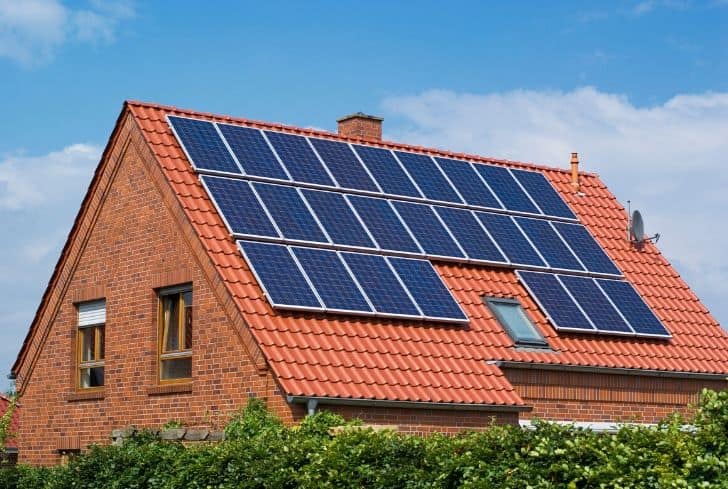
Solar heaters are one of the earliest types of green technology and one of the greenest of all.
- Wind Power Turbines are being adopted by communities easily and slowly. Another clean source of energy for the world is only if people can try to harvest it.
- Biomass harvesting is the new word for now.
- Hydropower is another example
- Geothermal energy use
- Thermal Panels
- Eco-friendly building materials
Which type is most efficient
Solar heaters are too efficient and they are being widely used nowadays. It is one of the most efficient and effective ways of green energy utilization.
Green energy is just growing and it is just now that we have recognized its utility. The big boom of the green revolution is still about to begin and using different types of green technology is just a firm step towards it.
Since, we cannot alter anything without technology, rebuilding the world with greener options is a possibility.
Fun poem- The Taj is on sale

Once I went to visit the Taj Mahal.
the white, translucent macabre I had heard , it once was.
But no longer, it seemed translucent by any means.
A little pale or maybe a light cream, you can call its hue now is,
I stood there in a wig, a brunette, I was trying to be.
I wanted to avoid my friends, by all means.
I frankly wanted to roam alone.
So I not only wore a wig, but a hat atop,
with pale dark glasses to match, covered my big, petal eyes.
Away from the crazy crowd,
I slowly took one step at a time.
It was still gorgeous,
Silent and calm, watching over men,
the cool floors enticed me.
I sat on the sides, under the shade for a while,
beside a man, quite unaware of him.
In a minute or two, he asked me,
“Are you from Greece?”
“No, why?” I noticed him for the first time.
“You look like a Greek Goddess.” He bluffed.
“Which one?” I prodded his knowledge.
After a while, he shouted, “Athena, I believe.”
“Well, Hungary, I am from Hungary.”
I held my nose a little high in the air.
He did not ask for my ticket or I could be caught.
After an entire minute, he spoke again.
“Do you know the Taj is on sale?”
Which Taj, I asked?”
“How many Taj’s do you know?” he challenged me.
“Many.” I told him and followed my friend’s queue.
While turning round the square corner, I quickly stashed my wig, hat and glasses in my duffel bag.
I also borrowed a long shrug from a friend to hide my frame,
as I slipped past the man.
But, I saw, by then, he
had already started selling the Taj to another svelte blonde.
How did plastic take over our lives

Indeed, life is all about plastic & plastic pollution!
The word plastic triggers a few thoughts in our minds. They pop-up no sooner we hear the word.
I often stumble on plastic pollution, plastic in the sea, in mountains, plastic carriers and cups.
I am sure; all of you have lived your lives around plastics. In fact, the 80s and the 90s generations grew up around plastic pollutants and their daily benefits.
How we weaved plastic into our lives
- On such rainy days, plastic carriers turned into mini umbrellas around your head.
- Balloons were made out of them; even bombs that exploded with a loud sound were made of plastic.
- Over the years as I grew up I realized how useful it was. I could grow tiny plants in them; I could do anything with them.
- Often, it was that one thing which, if you had with you, it could make life easy.
- Murder mysteries weaved with the murder weapon being nothing else but a simple plastic bag.
But overuse of a blessing soon turned it into a curse and sooner plastic pollution took over.
No longer was it a boon in disguise, rather it took up a monstrous shape.
Almost after twenty years of non-stop use, the world realized they were non-biodegradable. Soon, everybody began protesting the use of plastics. Almost 30 years of unawareness suddenly gave way to a non-plastic zone movement.
- Plastic cups considered hygienic at a point got replaced by paper cups or kulhars (cups made of mud- long lost with the advent of plastic).
- Oceans were found to be full of plastics, so were our fishes.
- Even my pet cat eats the black plastic we use to carry fish from the stalls.
Is Plastic only on Earth’s surface
The answer is a firm “No.”
It is estimated an 80% of the ocean’s debris is nothing else but plastics.
An unimaginable 8 million tons of plastic are dumped into the oceans every year. Almost 360-400 million tons of plastic are present in our ocean beds if you simply go by this data collected from 40 years of continuous plastic use.
It is forecasted, if people don’t stop using plastic, it would not be far when the oceans would be full of plastics. Almost 800-850 million tonnes of plastic are being claimed to be there in the ocean by 2050.
Plastic has become a habit. It weaved itself in so fast that humans almost forgot that plastic was never a part of our history, culture, or traditions. It was merely useful but people kept experimenting and its utilities kept expanding.
Who is to be blamed then if not us
We cannot obviously blame ourselves, so it must be someone.
That someone is the one who first invented plastic?
Alexander Parkes first invented plastic in 1862 and presented it to the world at the London International Exhibition. Rarely did he know the fate of plastic in 2050 and he was no forecaster. Elephants were hunted down in those days for the precious ivory. What he did though did not stop people from stealing ivory by killing these gigantic animals, rather it added up to it.
But, Parkes made plastic called “Parkesine” to stop people from excessively abusing ivory and horns.
He built it as a synthetic substitute for shellac. But then Parkesine failed to draw the crowd. It was not until John Wesley Hyatt of Albany, New York found a way with it. He made what is commonly known today as celluloid.
Brief History
Learn a bit more about how plastic changed our lives and contributed to what we call as plastic pollution today. Do not forget to stop blaming our past, for it is here that they failed to see the future. Precisely, they had to choose between keeping the elephants from becoming fables in a hundred years and the alarming facts we hear today about it.
19th century changes with plastic
- While Parkesine was derived from organic compounds mostly cellulose, Dr. Leo Bakeland brought the first synthetic plastic to the world- Bakelite marking the beginning of the plastic industries in 1907.
- Polymers came in 1920 with Herman Staudinger. Polymers are just not plastic but even biologically active substances like DNA.
- World War II finally unleashed the true potential of plastic products into the world.
- Polyethylene came up in England. It was that one state-held secret that proved beneficial for the British. British planes used them and thus the weight of British planes was far lesser than their German varieties.
- Nylon by DuPont quickly was shifted to the use of the US military. They made nylon ropes (with much higher tensile strength) and parachutes out of it.
- Expanded polystyrene was built by a chemist accidentally. Its use in making thermal insulators and shock absorbers was quickly realized.
- From the 1950s onwards, plastic manufacturing units started profiting more than any other industrial unit and this is where the industry caught fire expanding everywhere like the forest wildfire.
- HDPE (High Density Poly Ethylene)-polysulfone-para-aramid synthetic varieties gripped the market.
- The oil embargoes of the late 80s and early 90s brought people to realize the utility of bio-plastics. It is only a few years now that the synthetic plastic ban has been strictly implemented in every country to full effect.
An oil embargo is a situation where the trade of oil is banned between one country and another.
Did you know that almost 8-10% of the oil (12 million barrels a year) we import from other nations or export out of our nations goes into their making?
Its various utilities
It is everywhere. It is why our,
Airplanes are lighter,
Our lives are smoother,
The parachutes are sturdier,
Our space suits are stronger than void,
The world of medicines could be so flawlessly designed & manufactured.
It is what makes all the difference we see around us today.
But then, the same blessing that came disguised as an innocent revolutionary product has become one of the most highly talked about, as one of the Evil of today.
Note: We shall continue into the topic in our later posts
Read more about Green technology here and in the coming posts.
BECOME AN AUTHOR workshop
Anybody who wishes to join it can only learn more. It is moreover free to join.
Please find some time and give her an audience.
Either click on the link or contact Vandana through A New You site.
She is on LinkedIn for you.
If you wish to join, you can even message me here on this post or write to me in thescientifictriangle@gmail.com.

It is an explosion of learning, interaction and most important, writing. I talk to so many creativity blessed women who are willing to write but find it challenging to locate a starting point. They would have lots of ideas but don’t know how to put them in a meaningful flow. Other times not a single word would strike their head.
Few find the motivation to be the last thing in their body. Scheduling to define a writing schedule is a strenuous task to fit into their never-ending to-do list. Through this workshop, I will guide you to handle all the above issues and any other you might be facing currently. I will support you in creating a space in your mind, calendar, and heart to enjoy your writing.
While we will concentrate on removing the roadblocks from your writing journey, you will also practice breathing exercises to relax your mind for better focus.
Workshop Details:
Date: This workshop happens first Sunday of every month at 4 PM IST / 12:30 PM CET
Cost: FREE
Platform: ZOOM Meeting
How to enrol? Sign-in through the given link:
https://bit.ly/Becomeanauthorworkshop
Workshop Host:
Vandana Sehgal,
Author, Book Coach and Holistic Wellness Coach
 TheScientificTriangle
You must be logged in to post a comment.