TheScientificTriangle
What about the environment and science
Prevent cancer recurrence with new resveratrol and copper

What or how do we want to tackle cancer recurrence? Mostly cancer recurrence is not tackled and it is only now that with the coming of the new resveratrol and copper treatment that cancer recurrence might not be another chapter in the lives of cancer survivors.
How far is it possible to defeat cancer? It is a question most of the affected families ask themselves every day. Each is worried about a different form of cancer, and cancer recurrence is the most worrying part for all patients who survive it. Cancer is not a fear only the patient suffers from; it is a fear their family too suffers from terribly. Each day is a battle hereon, and cancer recurrence rates worry individuals more than anything in the world.
What is the current cancer recurrence rate for different forms of cancer? The list below can provide you more information on it.
| Cancer type | Tried medication | Cancer recurrence rate |
| Hodgkin’s lymphoma (HL) | Multiagent chemotherapy | 10%-13% |
| Relapsed HL | With second line therapy | 20%-50% |
| AML (acute myeloid leukaemia) low-risk | After normal treatment | 9% |
| Bladder cancer | Cystectomy | 50% |
| Breast cancer | Mastectomy, Chemotherapy, Radiotherapy | 30% |
| Breast cancer | Letrozole or placebo | 5%-9% |
| Colorectal Cancer | Curative surgical resection & clear margins at microscopic levels | 17% |
| Glioblastoma | Standard treatment | 100% |
| Head & Neck | Stage IV with intense, split course, hyperfractionated, multiagent chemoradiotherapy | Located within a region: 17% Spread distantly: 22% |
| Hodgkin’s lymphoma | With primary treatment | 10-13% |
| Hodgkin’s lymphoma | With second line treatment | 20% to 50% |
| Renal | Complete treatment module | 13% |
| Renal | Complete tyrosine kinase inhibitor therapy | 49% |
| Acute Lymphoid Leukemia in children | Completion of therapy | 15%-20% |
| Acute myeloid leukemia | In children after therapy completion | 9-29% depending on the risk |
| DLBCL (diffuse large B-cell lymphoma) | Completion of therapy | 30%-40% |
| Peripheral T-cell lymphoma (PTCL) | Complete therapy | 75% |
| Melanoma | After first line therapy | 15%-41% |
| Melanoma | Completion of therapy for metastasis | 87% |
| Non-small cell lung cancer (NSCLC) | Curative surgery | 26% |
| NSCLC | Chemoradiotherapy for locally advanced disease | 27% |
| Osteosarcoma | Local recurrence | 11%-12% |
| Osteosarcoma | After metastasis treatment | 5%-45% |
| Ovarian | After treatment completion | 85% |
| Prostate | After prostatectomy | 10 years |
| For low-risk disease therapy | 24% | |
| Intermediate risk disease therapy | 40% | |
| High risk disease therapy | 48% | |
| Pancreas | 1-year curative therapy | 36% |
| Adjuvant chemotherapy after local recurrence | 38% | |
| Adjuvant chemo after distant metastasis | 46% | |
| Soft-tissue sarcoma | With adjuvant chemotherapy | 50% |
| With advanced disease | 100% | |
| Thyroid | Differentiated thyroid carcinoma | 30% |
| Surgery for medullary thyroid carcinoma | 8%-14% |
Is there any medicine that can prevent cancer recurrence?
Until now, there have been theories, and except for the presence of adjuvant therapies, there has been nothing else so far. The different types of available adjuvant therapy forms are hormonal, chemical, immunological, radiation, and targeted ones. These therapies claim to prevent the cancer recurrence to an extent.
But these have a lot of “ifs and buts” in place. For example, the success of adjuvant therapy depends on the type, stage, lymph node involvement, hormone receptivity chances, and many other probabilities.
However, as per the recent information available, Tata Institute of Fundamental Research, Mumbai, has announced a discovery that can even be classified as one of the best discoveries of this century.
With more than ten years of supporting research, they claim to have found a medicine (formulation: tablet) that can prevent cancer recurrence.
The drug also claims to reduce the side effects of cancer treatment (chemotherapy and radiation) by 50%.
If you want to know the name of the new drug, you need to read further below.
Resveratrol + Cu: Name of the tablet that claims to prevent cancer recurrence
Basically, it is known to be a pro-oxidant tablet and would contain resveratrol and a metal adjuvant of copper. Upon ingestion, the tablet would generate oxygen radicals in the stomach. This would be how it would disengage cancer causing cells and prevent cancer recurrence.
More about Resveratrol
Here is the wonder drug and a bit about it’s role in preventing cancer recurrence.
What is resveratrol?
A natural phenol, it is also a stilbenoid (C6–C2–C6 structure, primarily a hydroxylated derivative of stilbene) and a phytoalexin (an antimicrobial & antioxidative substance produced in plants when in contact with a parasite capable of inhibiting the growth of the parasite).
Food sources rich in resveratrol?
Found in red grapes, resveratrol is found to be capable of expanding the blood vessels and reducing the occurrence of blood clotting altogether.
But that is not the only fruit in which resveratrol is found.
It is found even in fruits like blueberries, raspberries, mulberries, and peanuts. Altogether, 70 plant species have been found to contain resveratrol.
Essential properties of resveratrol apart from preventing cancer recurrence
- In vitro and in vivo studies have shown that resveratrol can inhibit carcinogenic growth in all stages, viz., initiation, progression, and promotion.
- Apart from being a strong anti-oxidant and antimicrobial agent, they also show
- anti-inflammatory,
- cardioprotective,
- vasorelaxant,
- phytoestrogenic and
- neuroprotective properties.
Their cis- and trans-forms are available in nature, and the trans-form is stronger functionally.
Role of Copper (Cu2+) in the drug
Copper is known to improve and enhance the healing process in individuals and hence, acts as a good adjuvant therapy towards cancer recurrence. Copper acts through the following mechanism.
1. The induction of vascular endothelial growth factor (VEGF)- enhances the growth of the vascular endothelium.
2. Angiogenesis by hypoxia-induced factor-1-alpha (HIF-1α) action. It works by enhancing HIF-1α expression and binding HIF-1α to essential motifs in the promoter.
3. It also works by increasing the role of the putative enhancer regions of HIF-1-regulated genes.
Working of resveratrol-Cu tablet
Steps into the working of the tablet
The tablet works by increasing the oxygen radicals in the stomach soon after ingestion.
High oxygen radicals will destroy the chromatin particles.
Chromatin particles are released by the dying cancer cells. The dying cancer cells release cell-free chromatin particles (cfChPs, or fragments of chromosomes).
In this way, chromatin particles cannot turn the adjacent healthy cells cancerous.
When a cell dies, it is its responsibility to alert adjacent healthy cells to brace up for a fight. But, since the cells releasing it are cancerous in nature, they turn the already healthy cells cancerous in the process.
Here, the chromatin response is non-essential since the medicine is already destroying the cancerous cells.
Thus, any drug that can prevent cancerous cells from releasing the chromatin can benefit the healthier adjacent cells.
Due to this process, the drug can also prevent the cancer cell movement from one part of the body to another; we in general use the term metastasis for it.
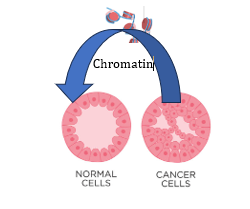
Cell-free chromatin particles- What are they?
Chromatin particles are nothing but fragments of the DNA complex and proteins contributing to the making of chromosomes.
Here’s a bit of the process in easier and more understandable ways.
1. Cells enter mitosis- asexual chromosomal cells divide to replicate.
2. Chromatin begins condensing and leads to the formation of metaphase chromosomes. Usually, the cell cycle is divided into four different phases: the G0 phase, the interphase, the G1 phase, and the S phase.
3. The G2 phase is the growth phase of the chromosomes, and then comes the mitotic phase.
4. Mitosis is again the separation of chromosomes and is divided into the following phases: prophase, metaphase, anaphase, and telophase.
When the cell-free chromatin particles get released from the cell, they are a mixture of DNA and proteins (like histones). These proteins can serve as biomarkers for different diseases. It includes cancer, autoimmune disorders, and even different inflammatory conditions.
Tests done on the cancer recurrence tablet so far
- The tablet has already been tested on rats, according to Dr. Rajendra Badve, a senior cancer surgeon. They have successfully tested it on rats for its cancer recurrence efficacy and the minimization of side effects.
Some phases of the clinical trials are already complete. It has proven to be a new therapeutic molecule promising enough for its safety and efficacy parameters.
The trials have already been conducted worldwide, and they have been found to be quite promising.
The four phases of a clinical trial are:
- First phase: done on 10–30 healthy volunteers
- Second phase: Diseased volunteers get categorized into two groups: placebo-controlled and drug-controlled groups.
- Third phase: comparison of the new treatment with the standard treatment. There are different drugs against which the novel drug gets tested.
- Fourth phase: The drug is available on the market, and a backend team continues to collect different drug-related information from patients already using the drug.
Current status of the tablet containing resveratrol-Cu
The tablet is currently awaiting approval from the FSSAI (Food Safety and Standards Authority of India).
How much will be the cost of the tablet?
It will cost just ₹100 and will be accessible to a larger population.
When will the tablet be available in the market?
By June or July, the tablet is to be made available on the market.
Here are the results and details of a few already run initial studies.

The drug is also tested for other disorders like neurological disorders, cardiovascular diseases, diabetes, and non-alcoholic fatty liver disease.



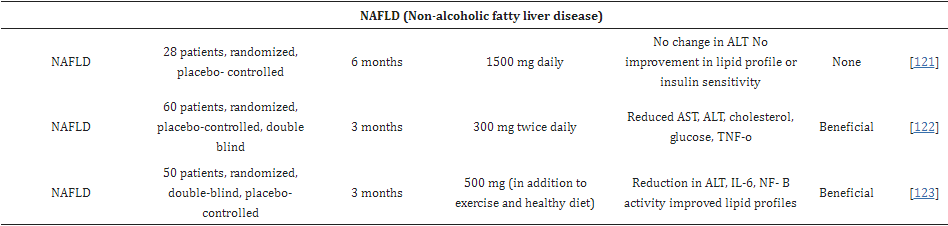
Contributions of the tablet
1. It will successfully prevent the recurrence of different types of cancer.
2. The tablet will reduce the side effects of different cancer treatments.
3. The medicine will also be effective in treating pancreatic, lung, and oral cancers.
4. Minimal side effects to none recorded until now. The drug seems to be well tolerated by patients.
Conclusion
If the tablet works as expected, people will be able to rid themselves of the stigma and fear this disease brings with it. Hearing that cancer has no cure is not going to haunt people’s lives ever again.
Even stopping cancer recurrence can go a long way for people. Young and old are into it equally, and each has a different set of sufferings altogether. Getting free of cancer recurrence will be a boon in disguise for those who know what it is to face the disease.
 TheScientificTriangle
You must be logged in to post a comment.