TheScientificTriangle
What about the environment and science
Green Indoor Plants for Houses [2024]
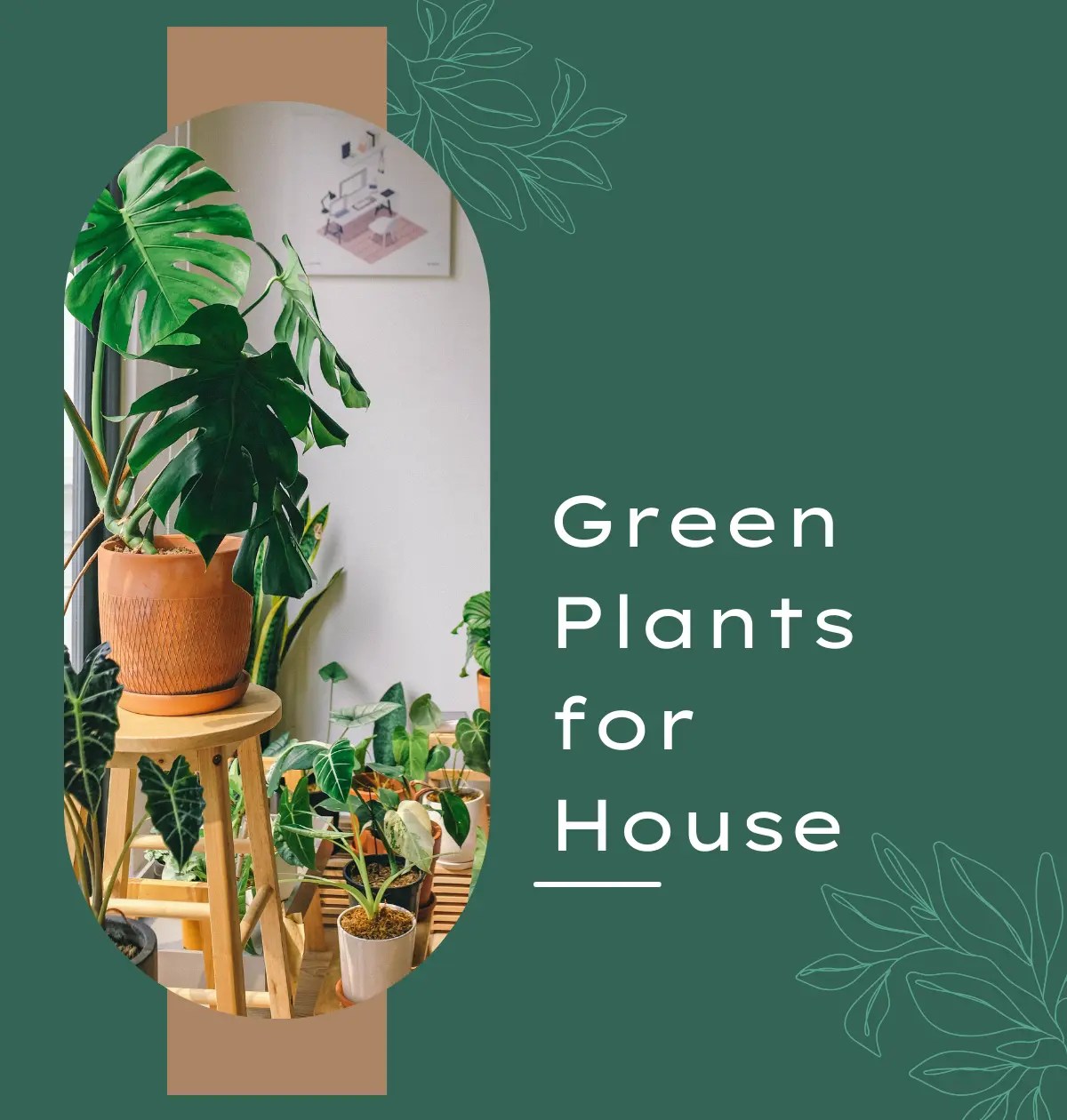
Green indoor plants for houses are the new shibboleth for the world. The reduction of carbon emissions is what concerns not just people but the entire world. The burden of keeping the temperature rise within 1.5–2 degrees Celsius is a target the world is trying to focus on.
It means almost 30%-40% of the carbon dioxide load needs to come down. What can a normal human living a normal life do in these circumstances?
Merely contributing to the process of reducing the carbon load is what we all need to collectively target.
One easy way to achieve it is to use green plants for houses.
There are currently 418030 green buildings around the world. The hotspot areas where green buildings are being prioritized and promoted include these areas.
| Cities promoting the green building concept | Number of thriving green buildings |
| Washington, DC | One billion square meters of space |
| Los Angeles | 1200 buildings |
| Houston | 1000 estates |
| Paris | 600 real estate properties (including the 44-floor Majunga tower) |
| Abu Dhabi | 22,540 buildings |
| New York | 100 properties |
| Chicago | 3400 buildings have utilized energy data |
| London | 3000 green buildings |
| Stockholm | 2000 properties |
| Dubai | 1500 properties |
| Singapore | 2000 green rated properties |
| Beijing | 480 construction properties |
| Shanghai | 6160 properties |
| Melbourne | 395 homes |
| Sydney | 3550 construction units |

In this article, we will discuss what plants can serve as indoor plants and why.
Why should you have more green plants around you?
Green indoor plants can benefit you in many ways, and the chief ways they can help our survival as well as the survival of the planet are given here.
1. The green indoor plants reduce stress factors and levels
The green indoor plants will work on your sympathetic nervous system to reduce stress levels. According to studies, they also reduce the diastolic blood pressure level. The nature’s touch and the coolness that they offer to homes can significantly improve your mood, thereby reducing the stress levels immensely.
2. Improved immunity
According to Ayurvedic sciences, there are many green indoor plants that collectively help improve an individual’s immunity levels.
Spider plants, snake plants, chrysanthemum, and dracaenas are the plants that help improve immunity. It means it can improve allergies, asthma, and overall wellbeing. Some studies have revealed their usefulness as green indoor plants.
| Plants | How do they benefit |
| Chrysanthemums | They remove benzene from homes. |
| Dracaenas | Remove dust and mites and improve asthma and allergy symptoms. |
| Spider Plants | It scrubs off carbon monoxide, benzene, and formaldehyde from the air. |
| Aloe Vera | Great for improving the air quality. |
| Snake Plants | They reduce formaldehyde levels in the air |
3. Air cleaning qualities for homes
As per a study initiated by NASA, Epipremnum and Spathiphyllum are plants that help clean the air in homes. These green indoor plants can keep your home clean and dust-free.
4. Cigarette smoke combatant
The peace lily plant, also known as Spathiphyllum, is a good choice for those who smoke at home. You can naturally get rid of cigarette smoke pollution and odors using these plants.
5. Reduce noise pollution within homes
Common ivy can reduce the noise level in your home by 60%.
Boston fern can decrease noise levels in indoor environments quite competently.
Use them whenever you feel your home noise level is higher due to the ongoing outside traffic. Make your home calmer by using these green plants for homes.
6. Generation of good oxygen levels
Plants that absorb carbon dioxide during the day and release oxygen at night are the best-suited green plants for homes and bedrooms.
Lavender, daisy, spider and snake plants, jasmine, and aloe vera are some of the common plants that produce oxygen at night.
7. Green indoor plants can reduce headaches.
If formaldehyde, benzene, and trichlorethylene are removed from the air, it can reduce the chances of having a headache at home. Plants that can reduce these impurity levels work towards this interest. Leathermaking and carpet production add to the formaldehyde in the air. If your house happens to be near such a plant, you will need to place plants that can clean the air in your house. Use plenty of green plants in your house, and your home will always be a place you’d want to return to.
How can green plants reduce the carbon load?
Green plants reduce the carbon load by using carbon dioxide to produce their food through the process of photosynthesis.
Along with soil sequestration, they almost reduce one-third of carbon dioxide emissions.
Tiny pores called stomata are open to suck in carbon dioxide for food production.
Berkeley Labs coordinated with AmeriFlex to build 500 micrometeorological towers in forests and different ecosystems to study the exchange of greenhouse gases.
What are the types of green plants for your home?
Next, we will see the various types of green indoor plants for homes that can clean the air and make your homes more liveable than ever.
1. Types of green plants indoors
Here are a few green indoor plants that can add to the benefit in your homes.

- Plant name: Philodendron
Specialty of the plant as an indoor plant: Removes formaldehyde & xylene (found in leather and glue items) from the air.
How do you care for them: They need a lot of sunlight and water, alongwith fertilizers.
- Name of plant: Spider Plant
Specialty of the plant as an indoor plant: Removes carbon monoxide and xylene.
How do you care for them: Regular pruning is needed to keep control over the spiderettes.
- Plant name: Snake Plant
Specialty of the plant as an indoor plant: Removes formaldehyde, xylene, benzene, toluene and trichloroethylene.
How do you care for them: Overwatering is not allowed, as a moist soil can tend to rot their roots.
- Name of plant: Croton
Specialty of the plant as an indoor plant: Filters air toxin sources
How do you care for them: Keep the plant watered and humid but do not overwater.
- Plant Name: Heartleaf Philodendron
Specialty of the plant as an indoor plant: They capture carbon dioxide and other toxic pollutants. These plants are toxic for pets and children.
How do you care for them: Add partial sunlight for optimal plant growth and grow them in well-drained soil.
2. Types of hanging green indoor plants
Hanging green indoor plants can be an option for small homes.

- Plant Name: String of Pearls
Specialty of the plant as an indoor plant: They remove indoor air pollutants. These plants help fight bacteria.
How do you care for them: Keep them light and moist in summer and borderline dry in winter.
- Plant Name: Pothos
Specialty of the plant as an indoor plant: It helps keep the air clean.
How do you care for them: Grows in humid and bright corners well and need water only when the soil gets drier.
More of these green indoor plants
- Plant Name: Peperomia
Specialty of the plant as an indoor plant:
- They help remove formaldehyde (which can reduce it by up to 47%, as per a study by Wolverton’s Clean Air) and ammonia from the room air.
- The plant also provides a huge amount of oxygen.
- Alleviating dust, and mold from the air is a specialty of these plants.
- Allergic patients can benefit hugely from them.
How do you care for them: Low-maintenance plants, they can withstand neglect and are perfect for forgetful or busy owners.
- Plant Name: Hendera Helix
Specialty of the plant as an indoor plant:
- Removes benzene, xylene, carbon monoxide, formaldehyde, toluene, trichloroethylene from the air.
- The plant has anti-inflammatory and antioxidant properties.
- These plants improve the respiration of beings.
- They are harmful for pets.
- They can prevent the decay of the walls on which they grow.
- They act as particle sinks and work best in highly polluted areas.
How do you care for them: It is a low-maintenance plant and has evergreen leaves even when the owners do not water the plant for long.
- Plant Name: Staghorn fern
Specialty of the plant as an indoor plant: They remove toxins like formaldehyde, xylene, and toluene from your indoor air.
How do you care for them: You would need to spray on these plants. You must allow almost drying conditions before you plan to water again.
3. Green indoor plants with red and green leaves
Red and green is a combination that suits many homes.

- Plant Name: Dragon tree
Specialty of the plant as an indoor plant: Removes Trichloroethylene and xylene.
How do you care for them: Needs a high ceiling and plenty of sunlight to grow as they can grow as tall as 8 feet.
- Plant Name: Red Earth Star
Specialty of the plant as an indoor plant:
- The plant is good for areas that emit radiation, as it absorbs radiation instantly.
- They remove volatile organic compounds (VOCs), also known to contribute to cancer.
How do you care for them:
Water sparingly and put them in indirect sunlight or in mild shades.
- Plant Name: Begonia
Specialty of the plant as an indoor plant:
- The plant can absorb dust.
- They can kill microbes and fungi.
- An increase in humidity is what the plant can contribute to.
- They can filter out benzene and any chemicals produced from toluene.
How do you care for them:
A lot of sunlight is necessary for the plant which can grow in the garden environment easily.
- Plant Name: Maranta (Prayer Plants)
Specialty of the plant as an indoor plant:
- Prayer plants, as per a study, can absorb 71.67 parts per million (PPM) of carbon dioxide within a closed room where the light intensity is 300 to 700 Lux.
- They help remove toxins like formaldehyde and benzene.
How do you care for them:
They grow well in bright, indirect light and also in shade. These plants cannot tolerate droughts.
4. Green indoor plant with purple and green leaves
Purple is a regal color and many people love to have plants tinged or full of it.

- Plant Name: Wandering Jew Plant
Specialty of the plant as an indoor plant: They remove xylene and formaldehyde from your home. Place them in your home’s well-lit areas, and you will be able to feel cleaner air.
How do you care for them: The plant is low-maintenance and non-toxic to pets.
- Plant Name: Inch plant (Tradescantia zebrina)
Specialty of the plant as an indoor plant:
- They remove toxins and volatile air compounds easily.
- They can grow upto an inch per day.
How do you care for them:
They need little maintenance, require humid conditions for growth, and are most ideal for bathrooms.
- Plant Name: Rose-Painted Calathea
Specialty of the plant as an indoor plant: Helps filter out a lot of compounds that spoil the air in the room.
How do you care for them: They must be in warm and bright spots of your home but do not place them under direct sunlight.
- Plant Name: Oxalis
Specialty of the plant as an indoor plant:
- They have a unique association with the genus Bacillus and fix nitrogen they collect from the circulating air.
- The edible leaves will cool down in high-temperature conditions.
- The plants remove air pollutants and filter your air.
How do you care for them:
They require a humid environment and need water every once or twice a week.
- Plant Name: Persian Shield
Specialty of the plant as an indoor plant:
They help to remove toxins from the air.
How do you care for them:
They are drought resistant plants and need 0.8 cups of water every 9 days. They must be kept away from direct sunlight.
5. Evergreen houseplants as green indoor plants
Evergreen plants are great options for people who love to be surrounded by greenery.

- Plant Name: Jade Plant
Specialty of the plant as an indoor plant:
- They clean the air by absorping toluene from the atmosphere making the air breathable.
- The plant also absorbs carbon monoxide from the air.
- The Jade Plant captures dust as well as bacteria from the atmosphere easily.
How do you care for them: They are perennial plants and require infrequent maintenance.
- Plant Name: Rubber Plant
Specialty of the plant as an indoor plant:
- They act as natural humidifiers in your home.
- They can be placed on the windowsill where they can clean the air. They remove xylene, benzene, and trichloroethylene from the air.
How do you care for them: Low light plants are toxic for pets.
- Plant Name: Dieffenbachia
Specialty of the plant as an indoor plant:
- Dieffenbachia can filter out volatile organic compounds from the atmosphere.
- They can also absorb CO2 from the air quickly and efficiently.
- With a high transpiration rate of 7, they help maintain humidity in the air.
How do you care for them:
They can simply grow in water and you don’t need much soil to grow them.
- Plant Name: Grape Ivy
Specialty of the plant as an indoor plant: Grasps toxins
How do you care for them: They require a regular supply of moisture so do not overwater them.
- Plant Name: Norfolk Island Pine
Specialty of the plant as an indoor plant: They remove volatile air compounds easily from air. Most often, VOCs arise from dry-cleaned clothes, paints, glue, and even permanent markers.
How do you care for them: You must keep the air humid and have a slow growth rate making it an excellent container plant.
6. Green foliage house plants/ Indoor foliage plants
Green foliage house plants make great indoor foliage plants for greenhouse plant type homes.

- Plant Name: Monstera
Specialty of the plant as an indoor plant: Remove formaldehyde, benzene, and trichloroethylene from the air.
How do you care for them: Place them in brighter spots, but not in direct sunlight. Wipe the leaves regularly, and keep a moss pole close to the plant to allow them to grow well.
- Plant Name: ZZ Plant
Specialty of the plant as an indoor plant: Native to Africa, these plants can filter out formaldehyde, xylene, benzene, toluene, carbon dioxide, paint and resin volatile air compounds and also xylene from indoor plants.
How do you care for them: They are drought-resistant and require minimal care.
- Plant Name: Parlor Palm, a green indoor plant
Specialty of the plant as an indoor plant: They remove formaldehyde, carbon monoxide and benzene from the air.
They will add a lot of oxygen to the air.
How do you care for them: It is also a low-maintenance plant and requires little care.
- Plant Name: Fiddle Leaf Fig
Specialty of the plant as an indoor plant:
- It will help remove ammonia, benzene and formaldehyde from the air.
- They also improve the oxygen content of the air.
How do you care for them: They need warmth, humidity, indirect and bright light, and a lot of water. They are water-loving plants and require a bit of direct sunlight.
- Plant Name: Nerve Plant
Specialty of the plant as an indoor plant: They remove toluene from the air and also a lot of carbon dioxide from the atmosphere.
How do you care for them: Give them bright, indirect sunlight, and a highly humid environment. They grow well within 60- and 70-degree Fahrenheit.
Conclusion
Removal of particulate matter and volatile organic compounds from the air can make the air more breathable and normal. If you want to increase your in-house air quality, you should try planting a lot of green indoor plants.
Plant them in shafts across your home walls to prevent the sun from damaging the walls and also improve the coolness within your home. These few different green plants for your house will add value and improve your life’s quality immensely.
Green foliage house plants and hanging green plants indoors are a good way to keep your home clean.
Try these plants, and you will not be able to avoid the smile across the corner of your lips.
 TheScientificTriangle
Pingback: Abusing And Using Animals For Human Good- New To You