TheScientificTriangle
What about the environment and science
How does development affect the environment?
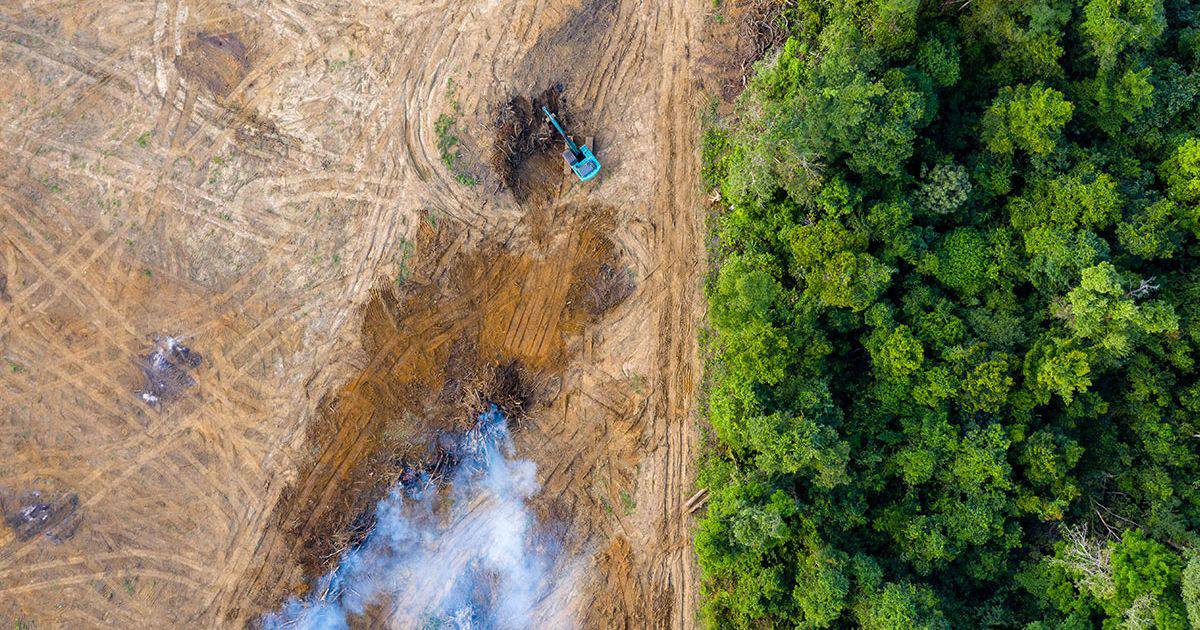
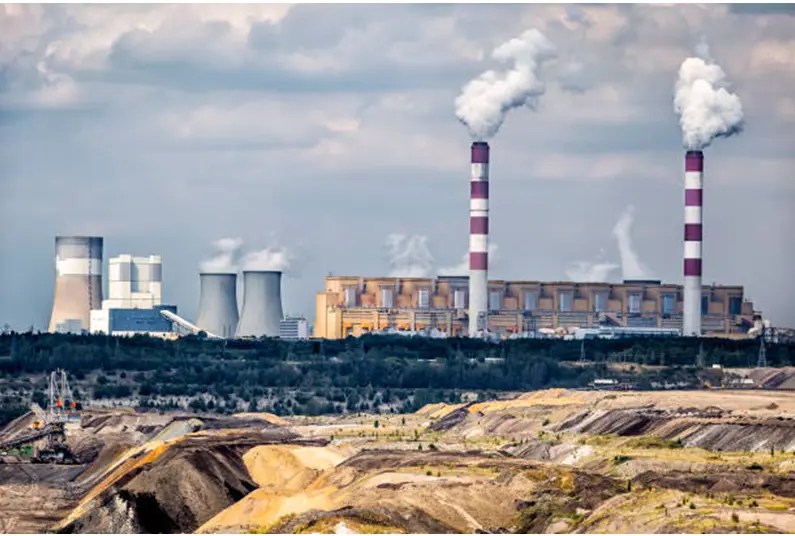
One of the questions that might be going through your mind is how does development affect the environment? You might have stumbled upon a piece of news, an argument, or an article stating that development affects the environment. Anyone would have wondered how. In this article, we will answer some of the queries you need answers to.
Development as we know it is as old as mankind. Now in the modern world, it is used as a metric to rate a country’s progress level. As much as development has positive impacts, looking at its effect on the environment, the environment suffers the most.
Have you ever wondered what kind of developments is in place compared to the last twenty-five years? There has been a lot of development, and this is a result of industrialization and urbanization. This duo has brought progress but is doing more harm than good to the environment. Industrialization is one of the key development paths we have trailed. It refers to the transition of a country’s social and economic structure toward an industrial economy. However, urbanization refers to the movement of people from rural to urban areas. They leave the rural site for the urban areas for better opportunities and prospects. In successive lines below, we will explain how economic development impacts the environment.
What are the major environmental impacts of development?
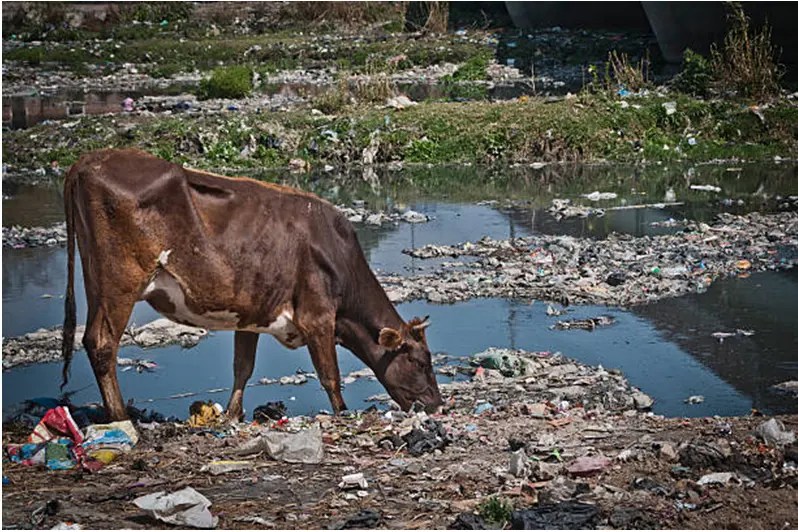
Simply stated, economic growth is an increase in GDP. As a result, we can expect environmental expenses to rise alongside rising production and consumption. Consumption of non-renewable resources, pollution, global warming, and the possible destruction of ecologically significant ecosystems are just some of the environmental effects of a booming economy.
Below are some examples of how economic development is affecting the environment.
- The growing population: According to Ehrlich in 1968, resources will run out if the world’s population keeps expanding at its current rate. There will not be enough food to feed all people on Earth.
- Industrialization: Due to rapid economic expansion, manufacturing industries worldwide consume vast quantities of coal, oil, and gas. Scientists predict a depletion of these natural resources if they continue to be exploited at the current rate.
- Higher levels of pollution: Pollution caused to the environment due to development is causing much harm. For instance, forests are responsible for carbon dioxide (CO2) absorption and oxygen production. Through deforestation, the natural habitats of many animal and plant species are being destroyed, which can lead to the extinction of those species. Currently, air and river pollution are the most pressing environmental issues. They have a disproportionate impact on third-world countries. The problem comes from the fact that there are so many factories and warehouses in these third-world countries. Implementing environmental regulations and policies is challenging because they are outside the interest of transnational corporations. Multinational corporations (MNCs) prioritize maintaining high-profit margins over investing in costly measures and innovations that could aid in reducing air and water pollution.
- Industrial and agricultural development: According to sociologists, an imbalance in trade with the West forces farmers in developing countries to over-farm certain crops. The prices of locally produced foods are also lowered due to food aid from developed countries. This means that for farmers to make a living, they must produce and sell more goods at ever-decreasing prices. The land becomes infertile and unusable as a result of this process.
- Growth of capitalism due to development: There are numerous ways in which capitalism creates environmental pressure points. For instance, transporting labour-intensive goods from manufacturers to distribution centres increases pollution. In capitalist societies, excessive consumption and resource extraction also add to the devastation of the environment.
What other causes, along with development, are impacting the environment? How does development affect the environment
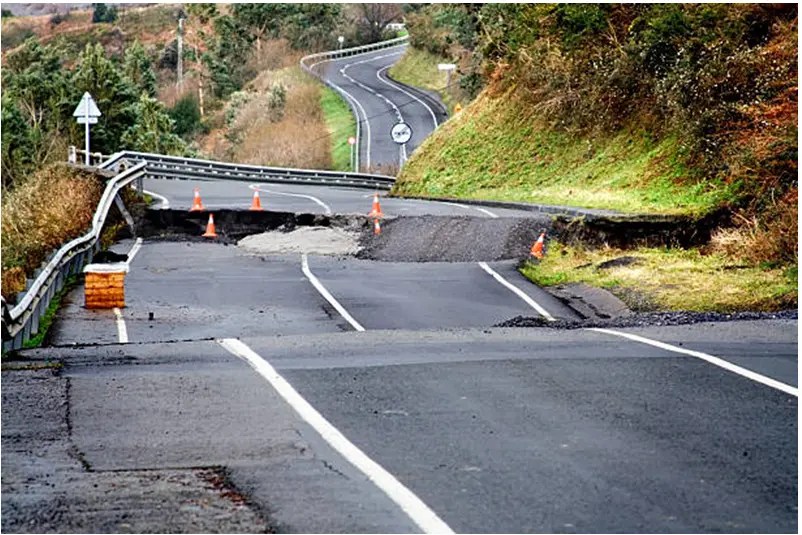
Aside from development, humans impact the environment negatively. Overpopulation, pollution, the use of fossil fuels, and the destruction of ecosystems are all examples of human activities that harm the natural world. Changes like these have resulted in climate change, soil erosion, bad air quality, and undrinkable water. These adverse effects have the potential to alter human behaviour, leading to things like widespread migrations and conflicts over water supplies.
Also, natural causes such as Avalanches, earthquakes, tsunamis, storms, and wildfires can impact the environment. It can obliterate entire communities of animals and plants in the region. This can happen either instantly due to a catastrophic event or gradually over time due to the introduction of a harmful alien species.
Indeed, we can’t pin all the responsibility on human beings. The planet Earth itself is a major contributor to environmental problems. While human activity is frequently blamed for environmental deterioration, the fact remains that the natural world is perpetually in flux. Some biological systems decline to the point where they cannot aid the life meant to live there regardless of the effect of human activities.
What is the Environmental Kuznets curve?

The environmental Kuznets curve shows that as a society’s economy grows, its relationship with the environment worsens initially. Still, then it gets better after a certain level of economic growth.
Critics counter that there is no guarantee that economic growth will result in a better environment and that, in many cases, the reverse is true. You need a specific plan and attitude to ensure that economic growth doesn’t hurt the environment.
How can the world target economic growth without damaging the environment?
How does development affect the environment?
Some ecologists contend that environmental harm always results from economic development. However, some economists argue that economic expansion can coexist with ecological progress and a stable environment. Doing the following will help:
Switching to renewable electricity from non-renewable sources
The cost of green energy is steadily declining relative to non-renewable energy sources like coal.
Social cost pricing
Economic development entails external costs, such as expenses related to environmental harm, which must be factored into the price. As little or no external costs as feasible will be used to promote development in this way. An illustration of this is a carbon levy.
Considering the environment to be a public benefit
Environmental preservation must come before financial gain.
Technological development
One of the most important parts of environmental policies over the past few decades was adopting new technologies that can help reduce and eliminate the causes of environmental problems. Electric vehicles are now more widely available and more reasonably priced. Compared to fossil fuel-powered vehicles, they are more sustainable.
Conclusion
Globally, development has had many beneficial effects. However, urbanization and industrialization have harmed the environment. This article must have answered your queries ranging from How does development affect the environment?, How can the world target economic growth without damaging the environment?, What is the environmental Kuznets curve? And others. We can now conclude that development has brought us good and also a negative impact on the environment. Also, as stated in the article, human and natural occurrences could impact the environment.
 TheScientificTriangle
You must be logged in to post a comment.