TheScientificTriangle
What about the environment and science
10 Best Books On Climate Change – Fiction & Non-Fiction

The Climate emergency is urging us to act unanimously and immediately. If you are unsure where to start, how about starting by reading the best books on climate change mentioned in this blog.
It wouldn’t be wrong to say that climate anxiety has kicked into our minds by now given the alarming pace at which climate is changing and global warming is set to achieving its zenith point. Several plant and animal species are already on the brink of extinction. Every other day climate change catastrophes are being reported from some corner of the world. Climate strikes by youth activists are gaining the limelight to pressurize world governments, G7 economies, and major business conglomerates into serious action to reduce carbon emissions.
A famous quote from the Hollywood movie “The Day the Earth Stood Still” floats to the mind at this juncture – “Only at the precipice, we change.”
Even after several attempts to educate us at the individual and institutional level about climate change, the message has still not penetrated deeper into every consciousness present on the globe in this Anthropocene epoch. The reason for this lies in the inability of news and environmental reports to reach the masses in a relatable and fathomable manner.
Here comes the importance of books and cli-fi novels to help people envision the gravity of the situation. Though climate activists and scientists have been creating awareness about climate change for over a century, it wouldn’t be inappropriate to say that there are still some understanding gaps that need addressing. Thus, in this post, we would look at the books to read on climate change from both the fiction and non-fiction categories.
5 best books on climate change – Fiction
Fiction helps to articulate facts in a relatable and comprehensible manner. A message portrayed through poems and poignant lines from a novel’s character can evoke our emotions that can in turn compel us into serious action. Here are the top five books about climate change in the category of fiction.
1. Clade by James Bradley
Published On: 28 January 2015
Publisher: Titan Books & Penguin eBooks
Kindle Price: $7.99
Amazon Link: https://www.amazon.com/Clade-James-Bradley/dp/1543624308
Formats: Paperback, Kindle, Audiobook

James Bradley, the celebrated author of The Resurrectionist, Paper Nautilus, and many more books, portrays a family’s struggle amid climate breakdown. While, Adam Leith, a climatologist is in Antarctica marking the passage of the solstice, his wife Ellie anxiously awaits the results of IVF treatment back at home. Later Ellie will also turn into an apiarist.
The author has based his near-future apocalyptic predictions upon scientific facts. In the backdrop of apocalyptic storms, civil unrest, uncontrollable wildfires, and mass fish and bird deaths, the book delivers one message aptly and that is what lies in the aftermath of our reckless attitude towards Earth’s climate.
2. Annihilation by Jeff Vandermeer
Published On: February 2014
Publisher: Farrar, Straus, and Giroux
Kindle Price: Available with Kindle Unlimited
Amazon Link: https://www.amazon.com/Annihilation-Novel-Southern-Reach-Trilogy-ebook/dp/B00EGJ32A6
Formats: Paperback, Kindle, Audiobook

The Southern Reach Trilogy by Jeff Vandermeer comprises the books Annihilation, Authority, and Acceptance. Annihilation is the first book of the series and is described by reviewers and readers as “weird” fiction. The uncanniness of Area X will seep into you as you go through the plot and it is this feeling that will keep you hooked to the book.
As a reader, you become part of the twelfth expedition team’s experiences. An all-women team consisting of a surveyor, an anthropologist, a psychologist & de-facto team leader, and a biologist cum the narrator visit the Area X which is segregated from the rest of the world. Nature has reclaimed its throne inside Area X, eliminating humankind’s footprints.
Annihilation has been adapted into a Netflix movie by Paramount Pictures starring Natalie Portman and Oscar Isaac and was released on February 23, 2018. The novel has also won a few accolades like the 2014 Nebula Award for Best Novel and more.
3. The Swan Book by Alexis Wright
Published On: 2013
Publisher: Giramondo Publishing
Kindle Price: $12.99
Amazon Link: https://www.amazon.com/Swan-Book-Alexis-Wright/dp/1922146412
Formats: Paperback, Hardcover, Kindle, Audiobook

Critically acclaimed and nominated for the Miles Franklin Award, The Swan Book is a story of a young aboriginal girl in a dystopian post-apocalyptic world. Described as “astonishingly inventive” and unconventional, this book takes you through the journey of this young girl who is guided by black swans.
Set in the future where climate change has taken its toll on human civilization, this book is undoubtedly one of the good books on climate change because it makes you contemplate life in an eco dystopian era. In a satirical way, the author also celebrates the ability of indigenous people to coexist with nature as opposed to the modern world that is in the habit of making a living by exploiting nature.
4. Flight Behaviour by Barbara Kingsolver
Published On: 6 November 2012
Publisher: HarperCollins
Kindle Price: $9.90
Amazon Link: https://www.amazon.com/Flight-Behavior-Novel-Barbara-Kingsolver-ebook/dp/B007HBY89E
Formats: Paperback, Hardcover, Kindle, Audiobook

Flight Behaviour featured as New York Times “Bestseller” and USA Today & the Washington Post declared it to be the “Best Book of the Year.”
All forms of animal species interact with nature more intimately than humans and therefore they are the first to perceive even the subtle changes in nature before we do.
One such story is depicted in the novel Flight Behaviour where the protagonist of the story, a bored housewife discovers millions of monarch butterflies nesting in the valley behind her home and this event itself triggers a warning of severe climate change and species extinction on a global scale.
5. The Wall by John Lanchester
Published On: 15 January 2019
Publisher: Faber & Faber
Kindle Price: $9.30
Amazon Link: https://www.amazon.com/Wall-John-Lanchester/dp/0571298737
Formats: Paperback, Hardcover, Kindle, Audiobook

Acclaimed British author John Lanchester’s dystopian novel – The Wall depicts the story of Joseph Kavanagh, a new defender of a section of the wall that has been raised on the British shoreline for two purposes – one to keep the rising sea waters away and another to keep the refugees at bay.
This novel has made it to this list of top books on climate change because it draws our attention to the immigrant crisis that would be inevitable in the near future when the global climate collapses.
5 best books on climate change – Non-Fiction
If you are the kind of reader that wants to straightaway cut to the chase then here are the best five non-fiction climate change books for you.
1. Under a White Sky: The Nature of the Future by Elizabeth Kolbert
Published On: 9 February 2021
Publisher: Crown Publishing Group
Kindle Price: $10.99
Amazon Link: https://www.amazon.com/Under-White-Sky-Nature-Future/dp/1847925456
Formats: Paperback, Hardcover, Kindle, Audiobook
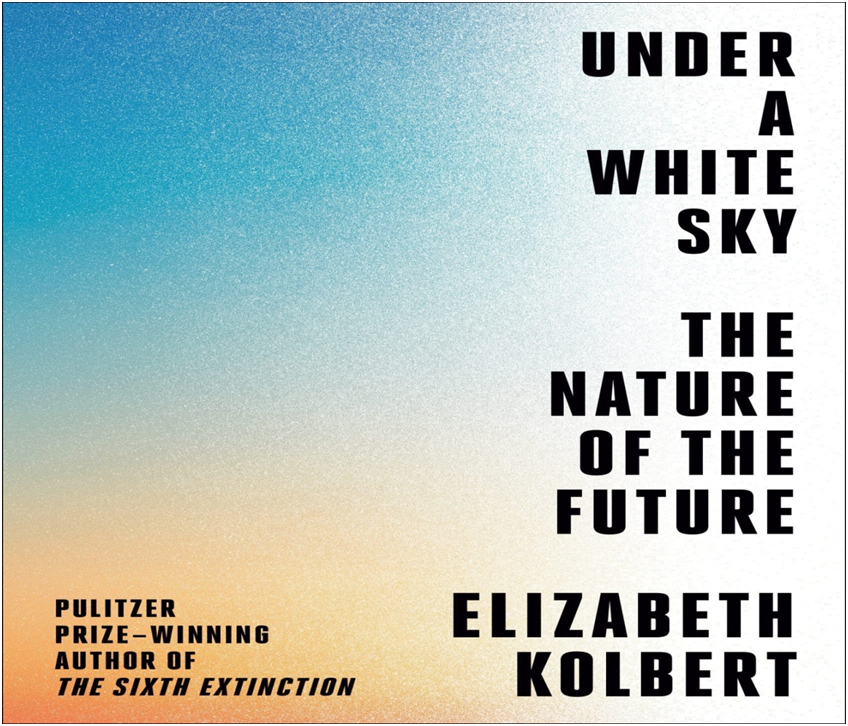
Pulitzer Prize-winning author, Elizabeth Kolbert traveled across the globe to document how scientists, biologists, physicists, and conservationists are making an earnest effort to save our planet and its natural elements.
She recounts her meeting with biologists who are attempting to preserve the rarest fish on earth. She also recalls meeting with engineers in Iceland who are converting carbon emissions into stone and marine researchers in Australia who are busy developing a super coral that can sustain global warming. In her book, Under a White Sky: The Nature of the Future, she is seen lauding physicists who are planning to shoot tiny diamonds into the stratosphere to curb global warming.
Thus, this book provides insight on how humanity is gearing into fight back against human actions that have led to the current state of ecological imbalance.
2. How to Avoid a Climate Disaster: The Solutions We Have and the Breakthroughs We Need by Bill Gates
Published On: 16 February 2021
Publisher: Alfred A. Knopf
Kindle Price: $13.99
Amazon Link: https://www.amazon.com/How-Avoid-Climate-Disaster-Breakthroughs/dp/B082QYFLDR
Formats: Paperback, Kindle, Audiobook
Well, the next author needs no introduction. Bill Gates is known for his philanthropic activities and has been an avid advocate of preserving nature and preventing climate change. The Bill & Melinda Gates Foundation has been funding global health initiatives, promoting social justice, and funding research for innovating technology to reduce GHGs.
Bill Gates’ book on climate change, How to Avoid a Climate Disaster, focuses on the need for hastened efforts to achieve net-zero. Thus, the five key takeaways from his book include sharing insight on poor economies being more susceptible to the aftermaths of climate change, how the development of cutting-edge green technology and clean energy can save the day, the role of governments in promoting green living, how change is the only constant thing in the world, and how awareness needs to be created at an individual level.
3. Our House Is On Fire: Greta Thunberg’s Call to Save the Planet by Jeanette Winter
Published On: 24 September 2019
Publisher: Beach Lane Books
Kindle Price: $4.03
Amazon Link: https://www.amazon.com/Our-House-Fire-Thunbergs-Planet-ebook/dp/B07WW9YCM4
Formats: Hardcover, Kindle

Greta Thunberg emerged as the face of youth activism regarding climate change in recent years and has garnered the attention of global political leaders and news reporting agencies.
This book chronicles her journey from a mere teenage student who learns about climate change in her classroom to becoming a youth activist urging world governments to take the necessary steps to save Earth for the future generation. The book targets young children encouraging them to save the future of our home planet.
4. Storming the Wall: Climate Change, Migration, and Homeland Security by Todd Miller
Published On: 21 August 2017
Publisher: City Lights Books
Kindle Price: $17.42
Amazon Link: https://www.amazon.com/Storming-Wall-Migration-Homeland-Security/dp/1713601958
Formats: Paperback, Kindle, Audiobook

Climate destabilization is bringing several existential crises and along with it one potentential problem that is already knocking on the doors of stable economies – the refugee crisis.
In this book, Miller documents his globetrotting observations about humans displaced already due to climate catastrophes with no other place to go as nations like the United States have increased border militarization to prevent an influx of illegal refugees. As per the new Groundswell report, by 2050, there would be more than 216 million climate migrants who would be in catastrophic situations.
5. Windfall: The Booming Business of Global Warming by McKenzie Funk
Published On: 23 January 2014
Publisher: Penguin Random House
Kindle Price: $6.32
Amazon Link: https://www.amazon.com/Windfall-Booming-Business-Global-Warming/dp/1594204012
Formats: Paperback, Hardcover, Kindle, Audiobook
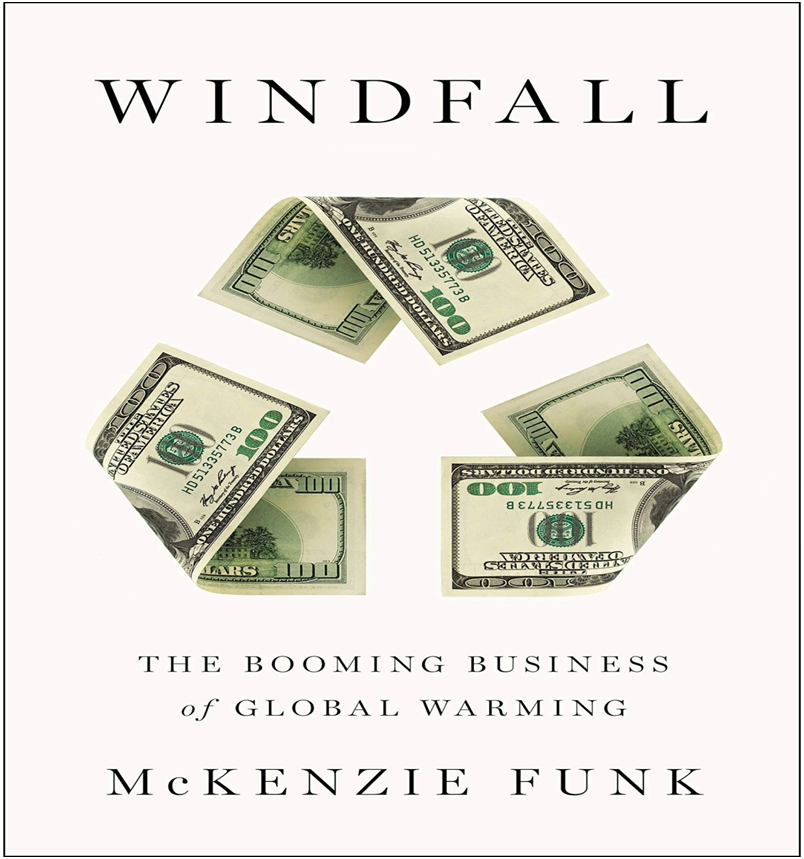
Opportunistic entrepreneurs from around the world are devising ways to make profits out of the three key problems of climate change, and they are – melt, droughts, and floods. The author of Windfall spent six years investigating the matter to unravel the highly lucrative side of global warming for selective businesses.
Funk has traveled to multiple nations and the front lines most susceptible to climate catastrophes to gather insight on how the melt will expose new mineral-rich parts of the Arctic and droughts will raise global food prices. Besides this, Dutch architects are seeing new opportunities in building floating cities for deluge-prone areas and American scientists are patenting newly designed hurricane defenses.
Conclusive Note
Even though geologists, climate activists, and scientists have been warning everyone about the consequences of heavy industrialization, unbalanced human activities, deforestation, and the burning of fossil fuels, the world failed to act on it soon.
However, the IPCC’s special report published in 2018 on the impact of global warming rising 1.5 °C above the pre-industrial era has pushed everyone to the edge of their seats.
Earlier, we were even lacking the existence of good literature on this matter. Only over the last two decades, can it be said that we have some books to read on climate change in both the fiction and non-fiction categories. Hopefully, you would like our recommendations and would enjoy coming back to our blog for reading more interesting articles.
FDA Approves Remdesivir Pediatric Covid-19 Treatment

As Covid-19 is still spreading like wildfire in some parts of the world and continuing to impact people including young children now, the FDA, in a major move approved the use of remdesivir pediatric Covid treatment on Monday.
Children aged 28 days and older having a body weight of at least 3 kgs (approximately 7 pounds) who have tested positive for SARS-CoV-2, and are either hospitalized or suffering from mild-to-moderate symptoms can be treated with Veklury. Thus, Remdesivir becomes the first approved antiviral agent for treating Covid-19 in the pediatric population. Omicron has been impacting children four times more than the other variants of Covid-19. Thus, the FDA has taken this step to save children below 5 who are too young to be considered for vaccination.
Earlier this antiviral agent was approved for use in children above 12 years weighing at least 40 kgs (88 pounds). The use of Veklury in patients younger than this age range was restricted to emergency use only. However, now the agency has revoked the emergency use authorization among the pediatric population.
Remdesivir was indeed the first approved drug for use on hospitalized patients with Covid-19 in October 2020. Although some conflict existed with the WHO on its approved use, the subsequent study published by the New England Journal of Medicine proved remdesivir’s efficacy. Although remdesivir reduces the risk of mortality in patients with SARS-CoV-2 infection, it cannot be considered as a substitute for vaccination in populations for who vaccines are available.
Caravan Study for Remdesivir pediatric Covid treatment:
Remdesivir is the only drug approved for treating pediatric patients with Covid-19 infection below 12 years of age even though monoclonal antibody therapy was also authorized for emergency use by the FDA.
- Caravan Study (GS-US-540-5823) was a Phase 2/3 single-arm, open-label study conducted on young patients below the age of 18 years hospitalized with Covid-19.
- The study aimed to evaluate the safety, efficacy, tolerability, and pharmacokinetics of remdesivir on 53 patients across five cohorts grouped according to age.
- The data obtained from the study indicated that remdesivir is well tolerated in young patients below the age of 18 years with a greater number of participants demonstrating signs of improvement and recovery. In the study, no new adverse or safety events were also reported.
- The data obtained from the Caravan Study was presented at the 29th Conference on Retroviruses and Opportunistic Infections (a virtual CROI 2022) held from February 12 to 16. This interim data was also submitted to the FDA, EMA, and other regulatory bodies of the world.
About Gilead’s Veklury

Gilead Sciences Inc.’s remdesivir is an adenosine analog’s nucleotide prodrug binding to the viral RNA-dependent RNA polymerase. It inhibits viral replication by stopping RNA transcription prematurely. Thereby, it is recommended to treat patients hospitalized with severe Covid-19 symptoms. Remdesivir can also reduce the susceptibility of non-hospitalized Covid-19 patients who are at a higher risk of disease progression.
The only approved dosage form for Veklury is intravenous injection. The recommended remdesivir pediatric dose for patients having a body weight between 3.5 kg to 40 kg is a single loading dose of 5 mg/kg Veklury on Day 1 followed by 2.5 mg/kg on Day 2 onwards. For pediatric patients who weigh 40 kg and above, a single loading dose of 200 mg on the first day is recommended followed by a 100 mg once-daily maintenance dose of 100 mg from the second day onwards.
FAQs on Remdesivir pediatric Covid treatment:
What are the remdesivir side effects?
Remdesivir side effects include enhanced liver enzymes that can cause hepatic injury, allergic reactions including elevated heart rate and hypertension, decreased blood oxygen level, shortness of breath, fever, wheezing, skin rashes & swelling, excessive sweating or shivering, and nausea.
Is remdesivir safe?
Yes, after several studies, remdesivir has exhibited no other safety findings other than already known side effects and is hence thereby considered safe to use for treating patients (both adults and now pediatric patients) hospitalized with Covid-19.
Is remdesivir FDA approved for treatment of Covid-19?
Yes, FDA (Food & Drug Administration) approved the use of remdesivir to treat Covid-19 in adult patients in October 2020. FDA also approved its use in pediatric patients older than 28 days on 25th April 2022 impacted by the Omicron variant.
What’s the list of FDA-approved drugs for Covid-19?
Following is the list of approved drugs for Covid-19:
- Paxlovid (Nirmatrelvir and Ritonavir) – Oral antiviral
- Lagevrio (Molnupiravir) – Oral antiviral
- Veklury (Remdesivir) – Intravenous antiviral
- Bebtelovimab – IV Monoclonal antibody
- Sotrovimab – IV Monoclonal antibody
- Bamlanivimab and Etesevimab – IV Monoclonal antibody
- REGEN-COV – IV Monoclonal antibody
- Actemra (Tocilizumab) – IV biological
- Olumiant (barcitinib) – Oral medication – JAK inhibitor
- Convalescent plasma
12 Groundbreaking Recent Medical Discoveries

Living is the greatest gift and perhaps the greatest challenge in the mortal realm. With the evolution of medical science and the pharma industry, we are heading towards better opportunities for surviving. Let’s take a closer look at the twelve recent medical discoveries that can reduce vulnerabilities and increase the human body’s resilience toward diseases.
Haven’t we come a long way from the time when humans were completely in the dark about the cause of sickness and the ways in which diseases spread? Undoubtedly, today the world understands a lot about the human body and diseases. Not only this, but the accidental discovery of penicillin by Alexander Fleming in 1928, opened a new route to treat an array of bacterial infections. In fact, the work of Louis Pasteur in the 1850s and the discoveries of Heinrich Hermann Robert Koch made it evident that germ theory was indeed a reality.
A marked rise in the global expenditure on pharmaceutical R&D was observed over the last decade from 137 billion USD in 2012 to 212 billion USD in 2021. According to Statista, global spending is further estimated to increase up to 254 billion USD by 2026. The major contributing factor to the expansion of R&D expenditure is due to the pressure on big pharma to innovate seamlessly, given the limitation on the patent protection duration of therapeutic agents.
Thus, in this blog, we will unravel the twelve recent medical discoveries that can solve the mysteries around diseases and improve our overall chances of survival.
12 recent medical discoveries and breakthroughs in patient care
Below-mentioned is a sneak peek into the twelve futuristic recent discoveries in medicine.
1. Breakthrough diagnosis tests for Alzheimer’s disease
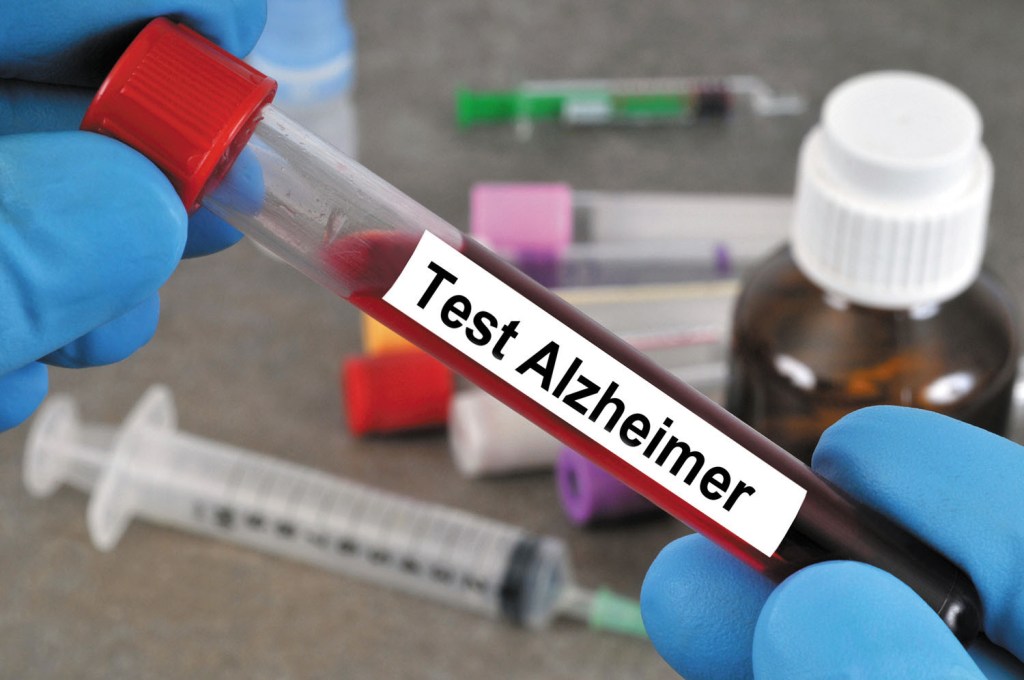
Alzheimer’s, a progressive neurological disorder causing atrophy of the brain is estimated to affect about 44 million people all across the world. In the US alone, there are about 5.5 million Alzheimer’s patients belonging to all age groups and is the sixth leading mortality-causing disease.
Although extensive research is being conducted to find a cure for Alzheimer’s yet the methods for its diagnosis are still quite primitive, primarily limited to some basic blood tests, CT, MRI, and PET scans. Hence the focus has simultaneously shifted to finding groundbreaking diagnostic tests first that are accessible, reliable, and affordable.
In 2018, Cecilia Lee, a researcher at the University of Washington, published a paper establishing the fact that eye conditions such as glaucoma or macular degeneration could be linked to Alzheimer’s. Various other companies such as RetiSpec, Neurovision Imaging, and Optina Diagnostics are trying new imaging methods to identify amyloid plaques.
In 2020, researcher scholars at Sahlgrenska Academy, University of Gothenburg, came up with a minimally invasive biomarker identifying blood test that was capable of detecting the presence of amyloid and phosphorylated tau protein (p-tau181). The abnormal accumulation of these proteins significantly leads to degenerative processes in the brain. The study was conducted on 1100 subjects from the Alzheimer’s Disease Neuroimage Initiative (ADNI).
2. Gene-editing to treat sickle cell disease
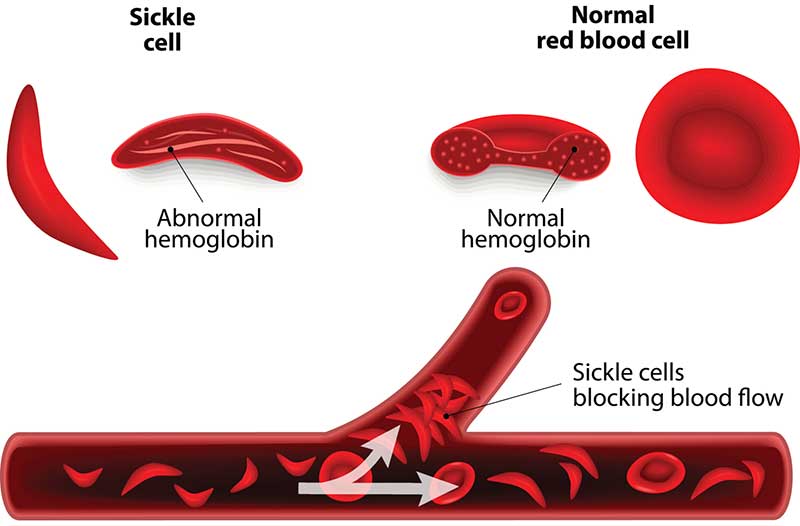
Sickle-shaped red blood cells prevalent in Africans primarily lead to hemolytic anemia, pain, and progressive organ damage. Now it has been observed that the BCL11A gene represses the expression of γ-globin and HbF (erythrocyte fetal hemoglobin) production in adult erythrocytes. Consequently, it leads to erythrocyte sickling and sickle hemoglobin polymerization.
So, an open-pilot study was conducted at Boston Children’s Hospital and the paper was published in The New England Journal of Medicine in January 2021. The investigational therapy comprised infusion of autologous CD34+ cells transduced with the BCH-BB694 lentiviral vector to encode shRNA (short hairpin RNA). This was further utilized to target BCL11A mRNA embedded in a microRNA (shmiR). Thus, it permitted shmiR-based gene knockdown. The results of following-up patients for a median of 18 months showed stable induction of HbF.
3. Non-hormonal male contraceptive
What were the options for male birth control other than condoms and vasectomy until now? But a game-changing non-hormonal oral compound known as YCT529 might soon undergo human trials for evaluating its efficacy, potency, and adverse events.
A team of researchers from the University of Minnesota presented their initial findings to the American Chemical Society Spring 2022 meeting on March 23, 2022.
Researchers have identified that eliminating the RAR-α gene in male mice can cause reversible sterility in them without causing significant other side effects. The retinoic acid receptor alpha is a protein belonging to the family of three nuclear receptors that help in retinoic acid (a form of Vit. A) binding. Retinoic acid is key to cell growth, cell differentiation (inclusive of sperm formation), and embryonic development.
Further, they identified the YCT529 compound, which when administered orally to the lab animals inhibited RAR-α specifically, thereby reducing reversible sperm count.
4. Use of 3D printing in the field of medicine
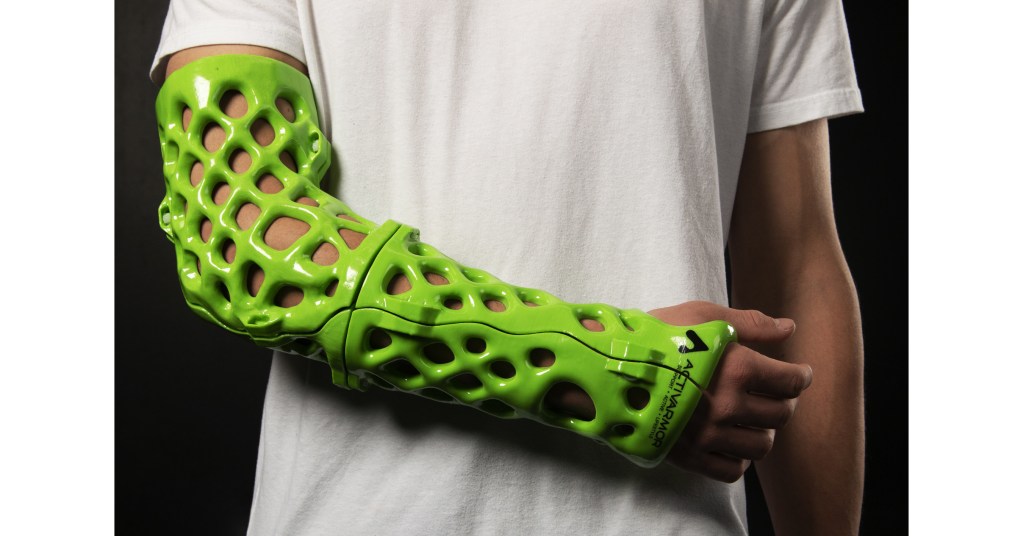
3D printing saw the dawn of the day back in the 1980s and was invented by Chuck Hull. But its application in the field of medicine is a fairly new concept. When it comes to real-time applications, 3D printed casts are worth mentioning in this list of recent medical discoveries. This is because they are thin, waterproof, breathable, customizable, and easily removable. These casts can also prevent bacterial infections and muscle atrophy. Studies conducted in 2017 indicated that these casts provide enhanced patient comfort.
Another team of researchers in Australia 3D printed a set of microneedles to monitor blood glucose levels. Besides being minimally invasive and less painful, these needles helped with constant glucose monitoring.
5. Implementation of AI and analytics in medicine

Artificial Intelligence in the global healthcare market is expected to expand at a CAGR of 39.8% from 2020 to 2026. With the help of AI algorithms, a new tool can detect sepsis quite early. It is equipped to track a patient’s electronic medical records to identify if the patient is susceptible to getting a septic shock.
With the help of machine learning, physicians are able to decide better on medicine combinations for hypertension. Further, forecasting analytics is being employed to predict cardiovascular morbidities in patients with hypertension.
PathAI, a leading provider of AI-powered technology tools, is using machine learning and deep learning to detect cancers more accurately.
6. Cystic fibrosis treatment with oral antibiotics

Cystic fibrosis (CF) is a hereditary disorder that makes people susceptible to bacterial infection caused by Pseudomonas aeruginosa. This disease is characterized by chronic lung infections and causes damage to the lungs, digestive system, and other body organs.
A study conducted by research scholars from The University of Nottingham’s School of Medicine and funded by NIHR was published in 2020 in The Lancet Respiratory Medicine journal. About 286 patients from 70 cystic fibrosis centers across the UK and Italy participated in the research. The research indicated that oral antibiotics were just as much as effective as IV antibiotics to treat bacterial infection in patients with cystic fibrosis, thereby making patient care possible from the comfort of their homes.
7. Cell-based therapy to repair liver bile ducts
70% of liver transplants in children and about one-third in adults occur due to damaged bile ducts. Liver transplant has always posed a challenge in front of the medical fraternity due to a scarcity of donors. When discussing about the recent medical discoveries we cannot leave mentioning about this finding behind.
Therefore, a study was conducted with the aim of finding an alternative to transplants. The NIHR Cambridge Biomedical Research Centre supported this research. During the research, a new technique was discovered to form mini-bile ducts. The biliary cells from the gallbladder could be formed into bile ducts cells in the lab and these could be used to replace the malfunctioning liver bile ducts.
8. Portable MRI machine
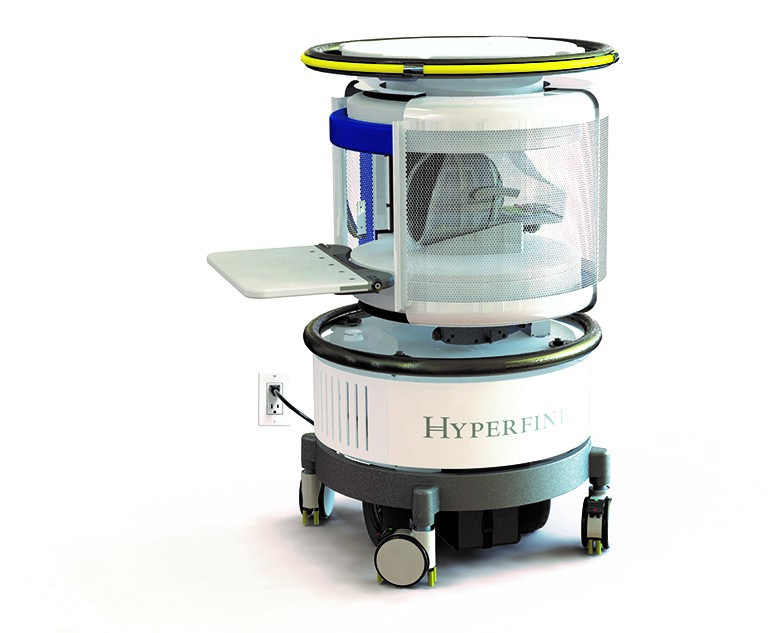
Raymond Damadian invented the first magnetic resonance scanning machine in 1977. But the traditional machine is huge, utilizes powerful magnets, and requires a lot of power, extensive cooling, and skill to operate.
Yale Medicine’s and Hyperfine’s Swoop MRI is a portable MR imagining system that has made it possible to carry it anywhere beside the patient’s bed and take snapshots of the patient’s body conditions in real-time to help with quick diagnosis and treatment. It is quick to evaluate a patient’s cerebral pathologies with the help of weaker magnets that don’t consume much power.
The Swoop MRI was approved by FDA in August 2020 for utility in hospitals. This portable machine has also reduced the cost to acquire it.
9. New drug to treat Hutchinson-Gilford Progeria syndrome
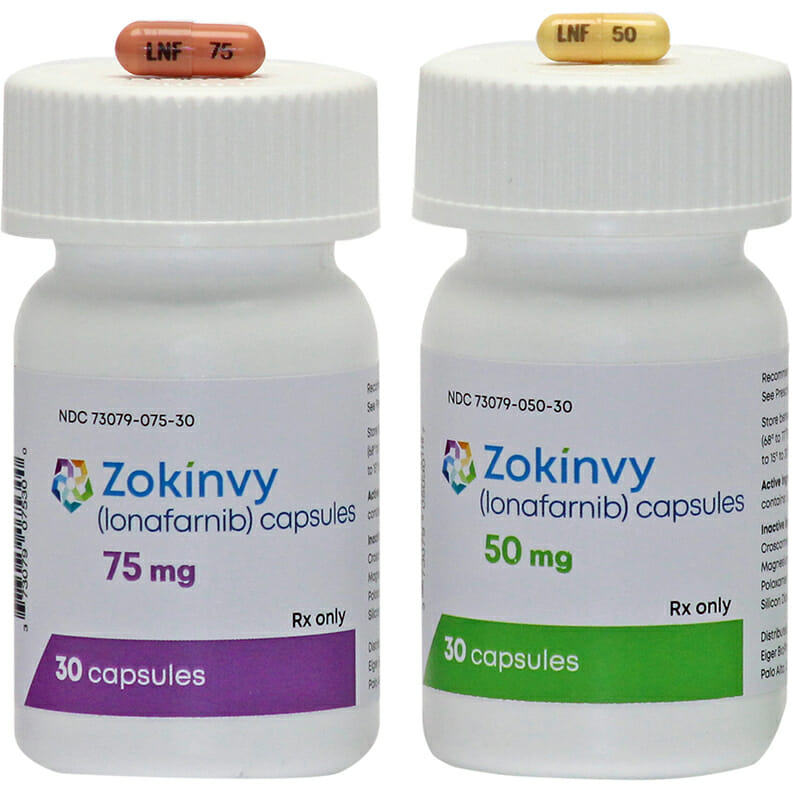
The discovery of this new drug can be considered among one of the greatest recent medical discoveries. Lonafarnib marketed under the brand name Zokinvy can prevent the accumulation of the defective protein called progerin in the carrier, thereby helping to minimize the damage and treat Hutchinson-Gilford Progeria syndrome. Besides prolonging the lifespan, it can also minimize cardiac and bone troubles.
HGPS is a rare genetic condition characterized by the rapid and dramatic appearance of aging in the carrier since early childhood and adolescence. The prevalence of HGPS is 1 in 20 million, thereby impacting 400 children approximately in the population at a given point in time. A genetic mutation causes a protein called progerin’s shape to change in the nuclei of the patient, thereby causing premature cell death.
10. First vaccine for malaria approved by WHO
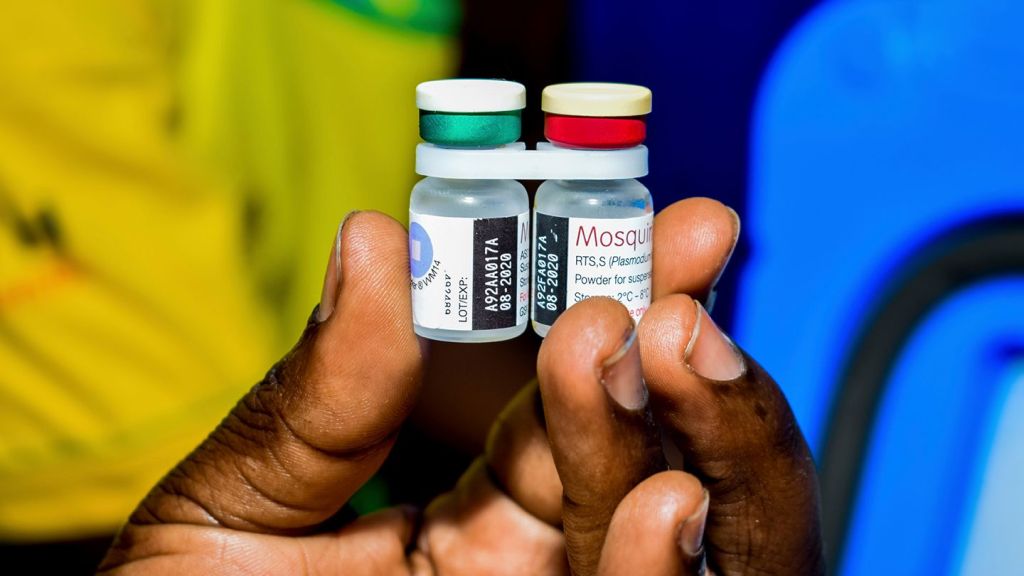
As per the 2021 World Malaria Report by CDC, about half the world’s population lives in malaria-prone areas, and in 2020 almost 627,000 deaths were reported due to malaria.
Although not one of the recent discoveries in medicine, Dr. Joe Cohen’s team at GSK, discovered the first malaria vaccine candidate RTS,S in 1996. The promise exhibited by the vaccine candidate paved the way for more than two decades of multiple clinical trials in sub-Saharan Africa.
In 2019, a pilot study conducted in Ghana, Kenya, and Malawi distributed the RTS,S/AS01 malaria vaccine to 900,000 children. Thus, based on the results of this pilot program, the WHO approved it to be used in the prevention of P. falciparum malaria among children, residing in malaria-prone regions. So far, 2.3 million vaccine doses have been administered in the above-mentioned African countries and more is to be rolled out soon.
11. Use of implants to treat severe paralysis
An implantable brain-computer interface technology, labeled by FDA as a “breakthrough technology” is another recent discovery in medicine that can treat severe paralysis.
To help patients regain lost motor control, the technology utilizes implanted electrodes to read movement signals from the brain and decode them into movement commands. Thus, it helps to restore voluntary motor impulses.
12. A groundbreaking medicine for obesity
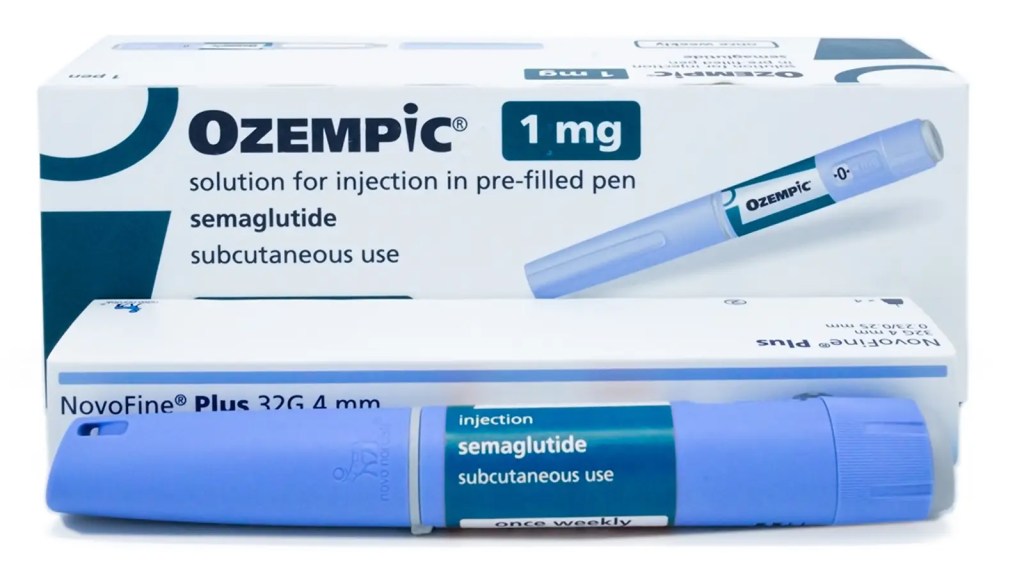
Obesity, the root cause of diabetes type 2, some cancers, cardiac conditions, and various other complications of the human body, is estimated to impact two billion adults all over the world as per Statista. Also, it causes up to 5 million deaths worldwide annually.
Semaglutide, a synthetic form of GLP-1 (glucagon-like peptide-1) analogue was initially used to treat Type 2 diabetes. However, later Novo Nordisk, conducted clinical trials at much higher doses to treat obesity. 2.4 mg Semaglutide was administered subcutaneously once a week during a trial. This study on 2,000 patients showed that recipients lost up to 15% body weight and it is also found to be 1.5 to 2 times more effective than other weight loss medications in use currently. Although Semaglutide is not among the recent medical discoveries yet its application as an obesity medicine is a remarkable new finding.
In Conclusion
Since times immemorial, humankind has strived to find ways to live longer, be healthier, and improve the life expectancy at birth. Long have humans pursued the elixir of life, drank Somras, sought for magical herbs, and what not to not be limited by the Hayflick Limit.
In retrospect, we can today safeguard ourselves against tuberculosis, undergo various organ transplants, use prosthetics, and have babies with IVF.
But when Covid-19 broke out two years ago in the wet market of Wuhan, China, it established the dire need for extensive pharmaceutical research & development. Furthermore, it also ascertained the fact that humankind constantly needs to evolve and adapt for survival as per Charles Darwin’s theory of evolution. Hence the aforementioned twelve recent medical discoveries have the potential to pave the way for a better future. Do subscribe to our blog for catching up with everything scientific that piques your interest.
Also Read: Top 10 Discoveries of the Decade Revolutionizing the Future
Top 10 Discoveries Of The Decade Revolutionizing The Future

The world of science and technology is ever-evolving. As we are heading towards the mid of the 21st century, here are the top 10 discoveries of the decade that will help us come up with futuristic technology and solutions to radically expand the modern world.
What would life be without antibiotics, electricity, phones, and modern computers?
It would not be incorrect to say that the prospect of scientific discoveries and inventions is endless. Given that the true nature of the universe is limitless and infinite; the Homo sapiens intellect is yet to unravel innumerable mysteries and acquire quintessential comprehension of the universe.
Scientific revolutions have been an integral part of human evolution. It was in the Bronze Age when the units of measurement came into existence brought about by major civilizations at that point time. To date, millions of scientific research have witnessed the dawn of light. Several science research papers are published every year transforming our perspective and adding more meaning to our very existence.
Here is a compilation of the top 10 discoveries of the decade that have the potential to revolutionize the future.
Game-Changing Discoveries Of The Decade
Though each new discovery has its own significance and not one can be compared to another, here is a curated list of the top 10 discoveries of the decade.
- First synthetic genome created in 2010

Image Credit: Science.Org
At the beginning of the previous decade, scientists achieved a new milestone in the history of scientific discoveries by creating the first life form with a synthetic genome.
Scientists at the J. Craig Venter Institute in the U.S. synthesized the genome of the Mycoplasma mycoides bacterium. The team of scientists stitched together the synthetic donor genome and cloned it within a yeast cell. Followed by this, they transplanted it into the cell of Mycoplasma capricolum.
The newly formed synthetic cell when underwent cell division showed to contain proteins from M. mycoides alone.
- Preventive Treatment For HIV Discovered In 2011
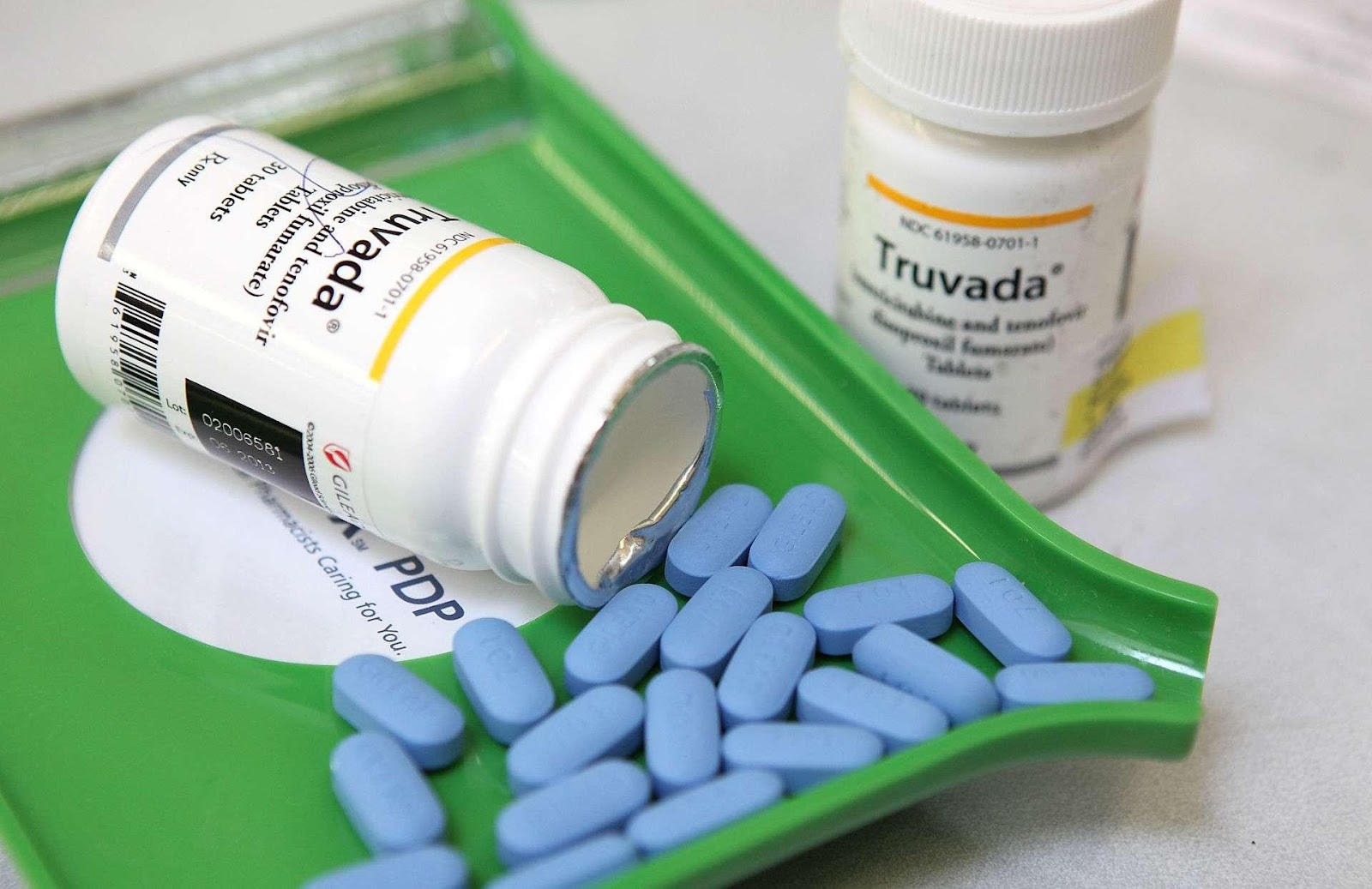
Image Credit: Verywell Health
The HPTN 052 study is a landmark study proving that early administration of ART could successfully prevent HIV-1 transmission in serodiscordant couples. The Phase III trials were conducted in 2011 among 1,763 serodiscordant couples at 13 sites in nine nations where one person was infected and the other wasn’t.
An interim review of the data obtained from the HPTN 052 study reflected that early antiretroviral therapy to the HIV-1 infected patient could reduce the HIV transmission to the uninfected partner by 96%. Transmission from the HIV-infected participant didn’t occur to their partners when the viral replication in the individual was suppressed by ART.
Based on this breakthrough finding, the WHO approved and recommended ART treatment for all HIV-positive individuals to reduce and prevent transmission to uninfected partners in 2013.
The final results obtained in 2015 showed that HIV transmission was reduced by 93% for couples who had been subjected to early ART treatment instead of delayed administration.
- The Curiosity Rover Lands On Mars In 2012

Image Credit: The Verge
On the evening of August 5, 2012, the Curiosity rover landed on Mar’s Gale Crater. The Mars Science Laboratory Mission’s Curiosity rover was entrusted with the task of determining the presence of microbial life forms on Mars. The rover has 17 cameras, a robotic arm, and several lab tools, and equipment.
So far, it has completed 9 years and 7 months on Mars. Besides finding evidence for the presence of microbial life and Mar’s past environmental conditions, the mobile laboratory is also enabled to study the geology of the crater by analyzing rock samples.
The plutonium-powered rover is also capable of detecting the radiation of Mar’s environment with the aid of the Radiation Assessment Detector. It has also successfully collected data on Mars’ atmospheric events. Besides this, it has captured photos of two solar eclipses caused by Mar’s two moons – Phobos & Deimos.
- Discovery Of The God Particle In 2012: top 10 discoveries of the decade

Image Credit: The Verge
The evidence for the existence of the Higgs Boson, often referred to as the “God Particle” was unraveled in 2012 with the help of the ATLAS and CMS experiments conducted at CERN’s Large Hadron Collider in Switzerland.
The Standard Model of Particle Physics suggests that the Higgs Boson is an elementary particle that is produced when the Higgs Field undergoes quantum excitation. As per the proposed Higgs Mechanism, by Peter Higgs and five other scientists from three distinct teams in 1964, some particles can break away from the weak isospin symmetry of the electroweak interaction. This causes them to gain mass.
Physicists have long searched for this subatomic particle’s existence. Although the Higgs Field exists everywhere, it has taken 40 years for the scientific community to prove it. This is because to produce it, a large amount of energy is needed that was only made possible by the Large Hadron Collider, the world’s largest particle collider.
Further, in March 2013, the discovery was peer-reviewed and its existence was ultimately confirmed. In 2018, more evidence suggested that the sub-atomic particle continued exhibiting the same behavior as predicted by the Standard Model. Currently, more data is being evaluated to understand the nature and properties of the Higgs Field.
- Advancement In Cancer Treatment Achieved With Immunotherapy In 2013
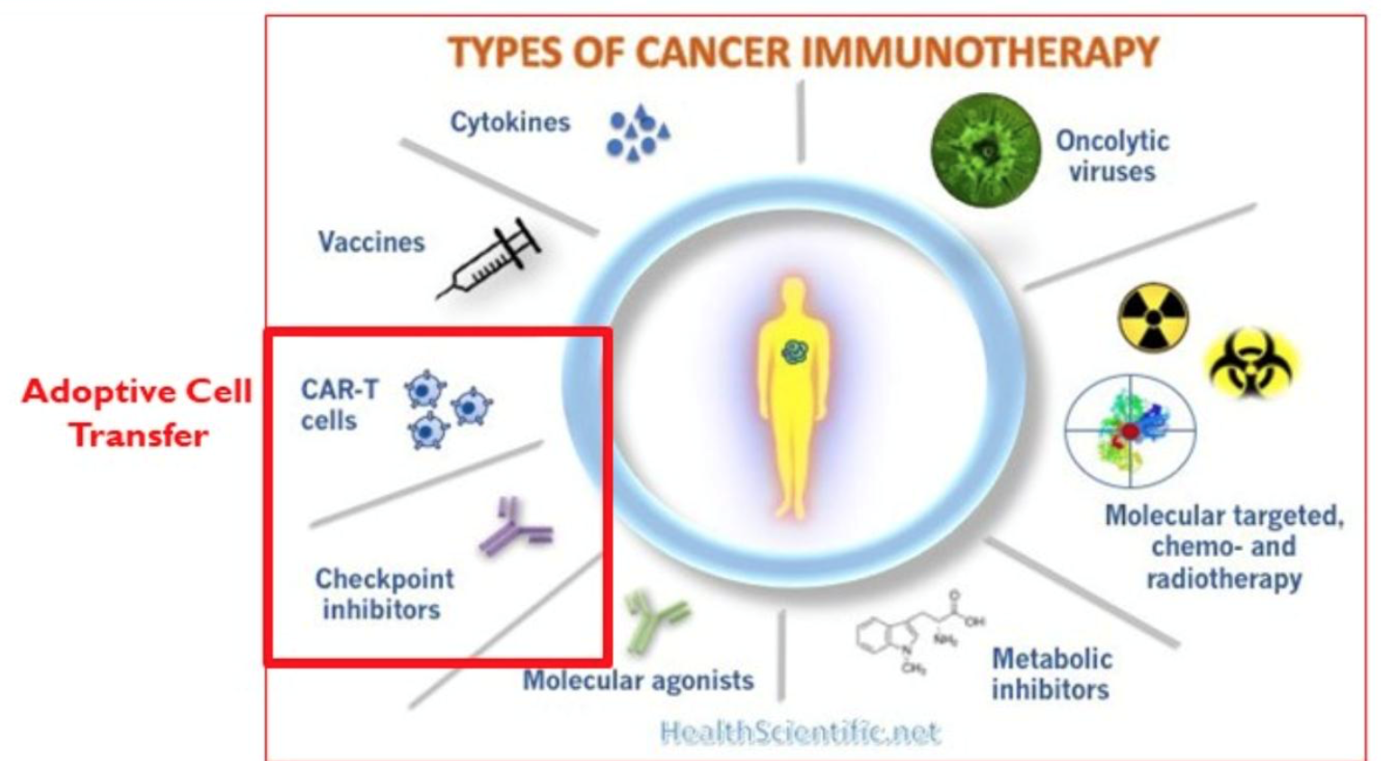
Image Credit: ESICM
Use of immunotherapy in cancer treatment is another landmark achievement worth mentioning among the top 10 discoveries of the decade. In 2013, scientists took great strides when they tried the approach of using immunotherapy to treat cancers, thus opening new doors of hope for cancer patients. Immunotherapy is a biological therapy that empowers the immune system to fight cancerous cells and tumors.
Sometimes immune cells called tumor-infiltrating lymphocytes or TILs are found in and around tumors, trying to fight and destroy them. Thus, several types of immunotherapy to treat cancers include T cell transfer therapy, immune checkpoint inhibitors, monoclonal antibodies, vaccines, and immune system modulators.
- Genetic Engineering Revolutionized In 2015

Image Credit: Explore Biotech
Gene editing achieved a new milestone when Clustered Regularly Interspaced Short Palindromic Repeats or CRISPR-Cas9 technology was launched in 2015. Jennifer Doudna and Emmanuelle Charpentier, pioneers of the CRISPR gene-editing technology were awarded the Nobel Prize in Chemistry in 2020.
This system is naturally observed as a defense mechanism in some bacteria. It comprises a series of repetitive gene sequences bound to the Cas9 enzyme which can snip certain gene sequences and replace them with pieces of other DNA.
Thus, with the help of this technology, scientists have been able to genetically engineer crops, insects, and even humans.
Hence it has paved the way for treating genetic diseases. Not only this, but in 2015, scientists at the Sun Yat-sen University of China attempted to make genetic modifications to human embryos with CRISPR. Though the procedure did not succeed completely, three years later, another Chinese scientist, Jiankui He, edited the genomes of two embryos and implanted them in the mother via IVF. The gene-edited by him is CCR5 which was aimed at making the twin girls less susceptible to contracting HIV. Thus, twin girls are the world’s first CRISPR babies.
- The Existence Of Gravitational Waves Confirmed In 2016

Image Credit: NASA Space Place
Albert Einstein first predicted the existence of gravitational waves in 1916. As per the general theory of relativity, gravity is the result of distortions caused by a mass in space-time. The first indirect observation of gravitational waves was made in 1974 when the motion of a double neutron star system was studied by Russell Hulse and Joseph Taylor. They also bagged the 1993 Nobel Prize in Physics for this work.
However, its direct observation always remained a challenge until 2015. In 2016, the Laser Interferometer Gravitational-Wave Observatory and the Virgo Interferometer collaborated to detect the gravitational waveform. The first event, GW150914, was detected in Washington and Louisiana, the USA on 14 September 2015.
In 2016 and 2017, two and eight more gravitational waves observations were made respectively. The gravitational waves from some of the most energetic Universal events such as black holes collision, neutron star mergers, and the explosion of stars are detected by the LIGO.
Image Credit: National Research Council Canada
Scientists from all around the world in November 2018 agreed to change the definition of the fundamental unit of mass – kilogram. Earlier, the kilogram was represented in the form of an object and defined as the mass of the platinum-iridium alloy cylinder about the size of a golf ball.
However, now the last physical artifact is replaced by Planck’s constant to define the unit of mass. Scientists used a modern weighing machine, known as the Kibble balance to redefine the kilogram. They did this by measuring the electromagnetic force needed to hold the Kibble balance in place. Further, they expressed the electromagnetic force in terms of Planck’s constant.
Besides this, three more SI base units of the International System of Quantities were redefined by replacing the physical objects used as standards to measure & define them with natural physical constants. These changes became effective on 20th May 2019, on the 144th anniversary of the Metre Convention. Ampere (SI unit of electricity), Kelvin (unit of temperature), and Mole (unit of amount of substance in chemistry) are now expressed in terms of the elementary electric charge (e), the Boltzmann constant (kB), and the Avogadro constant (NA) respectively.
- The EHT Captures The First Image Of A Black Hole In 2019
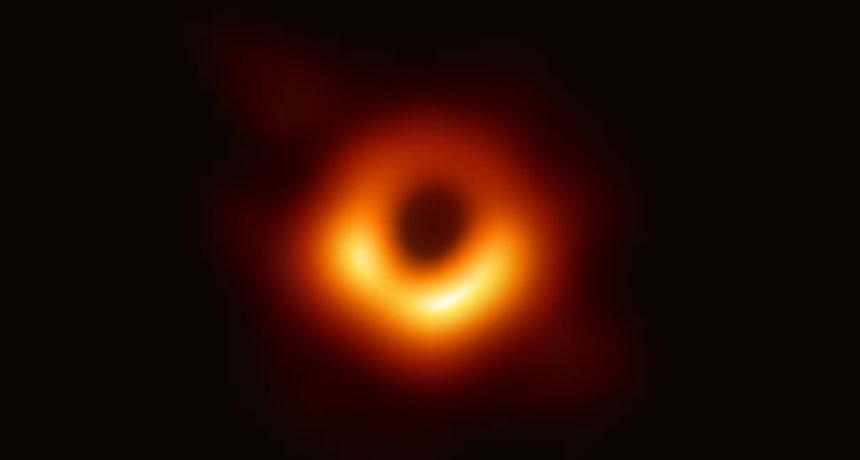
Image Credit: Science News for Students
When it comes to discussing the top 10 discoveries of the decade, we certainly cannot leave this one out. The Event Horizon Telescope produced the first-ever image of a black hole in 2019. This black hole is located at the center of the M87 galaxy which is 55 million light-years away from Earth.
The Event Horizon Telescope showed the black hole in polarized light and revealed how magnetic fields act around black holes. The black hole’s ring appears magnetized as observed with the help of polarization.
To take the image of the black hole, eight powerful telescopes were used from all over the world. This helped to create a virtual EHT. Another important aspect that scientists could study through this image is the way the object’s accretion disk interacts with it.
- WHO Approved The World’s First Malaria Vaccine By GSK In 2019

Image Credit: Everyday Health
In another groundbreaking research, Dr. Joe Cohen and the team at GSK, discovered the world’s first malaria vaccine candidate RTS,S in 1996. Dealing with malaria had always posed a challenge because of the ability of the plasmodium falciparum parasite to escape the immune responses of the human host. The research conducted in collaboration with the Walter Reed Army Institute of Research in Washington DC showed promise and further paved the way for multiple trials over the next two decades in sub-Saharan Africa.
In a pilot project in Ghana, Kenya, and Malawi, the RTS, S/AS01 malaria vaccine reached almost 900,000 children in 2019. Based on the results of the pilot program, the World Health Organization recommended vaccination with this agent to prevent P. falciparum malaria among children living in malaria-prone regions.
To date, about 2.3 million vaccine doses have been administered in 3 African countries.
Ending Note
With this, we come to the end of the blog “top 10 discoveries of the decade” that have opened new doors for human civilization be it in the field of space, medicine, chemistry, or physics. At this point, Edward Teller’s words ring a bell; “The science of today is the technology of tomorrow.” Thus, the more scientific research unravels, the farther it propels us to comprehend our vast universe and achieve newer milestones.
Pictures From Hubble Telescope Show Stellar Evolution
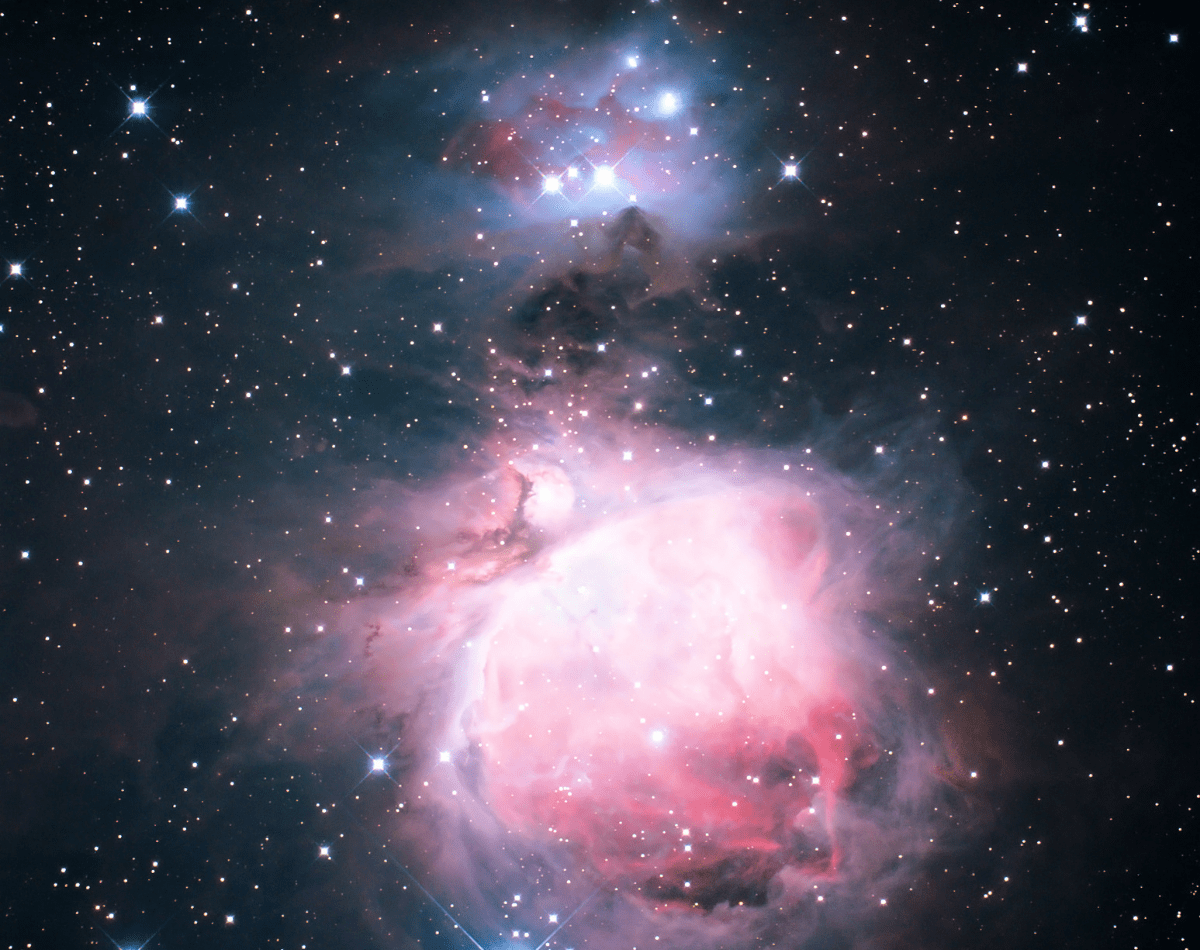
NASA tweeted pictures from Hubble Telescope demonstrating a jaw-dropping cosmic tantrum. The US space agency took reference from Bradley Cooper’s directorial debut movie, A Star Is Born while announcing it.
The cycle of birth and death goes on and on and despite the passage of several millenniums, the phenomenon of birth still doesn’t cease to mesmerize us. NASA’s Hubble Telescope captured some stunning snaps of stellar tantrums produced by an infant star HH-34 that has made everyone awestruck from astrophile to seasoned astronomers.
Protostar HH-34 is a relatively young object in the cosmos. Herbig-Haro 34 is in the stage of stellar evolution and is located at a distance of 1,500 light-years in the proximity of the Orion Nebula. Hubble obtained its images during its protostar stage in 1999, followed by observing it in 2007 and 2015 too.
NASA Hubble’s Twitter- What does it say?
A tweet from NASA Hubble’s Twitter account shared an image of the cosmic tantrum demonstrated by HH-34 which is still in its nascent stage of formation. It comprises an incandescent jet of gas traversing through the fabric of space-time at hypersonic speed. The HH-34 object is still in its earliest stage of formation. Its structure and appearance are quite complicated and overwhelming as it consists of two jets in opposite directions. Thus, it produces a blast of “bullets” similar to that of a machine-gun comprising dense gas ejected at high velocity. The nascent interstellar object experiences episodes of outbursts. The jet ejected from it collides with the surrounding cosmic matter, thereby causing the material to heat up and produce incandescence.
The #HubbleFriday image also used the 2018 movie title “A Star Is Born” to caption their post. As the pictures from Hubble Telescope come floating to us, the meters begin analyzing them.
Hubble’s Wide Field Camera 3 captured the present image. NASA scientists further believe that the James Webb Space Telescope, Hubble’s contemporary counterpart would be able to peer further through the surrounding envelopes of protostars in the formation. Thus, it will help to achieve breakthrough results in observing jets of nascent stars.
James Webb Space Telescope-pictures from Hubble Telescope
The James Web Space Telescope was launched into space on Christmas day last year. The Hubble Telescope has been operational since 1990. It was a joint venture between NASA and the European Space Agency. JWST, Hubble’s successor is NASA’s flagship mission, which is being executed in collaboration with the European Space Agency (ESA) and the Canadian Space Agency (CSA). Powered to conduct infrared astronomy impeccably, the Webb is at its observing spot known as Lagrange Point 2 (L2) currently. The engineers are currently working on the fourth phase of aligning the mirrors of the Webb.
Can the powerful ants smell cancer?

How do you detect cancer usually?
By running a few essential tests, of course, you’d say.
Yes, you are right! Today we can detect cancer by running blood tests apart from others like a CT scan, mammogram, X-ray, MRI, biopsies, and so on and on.
On the contrary, most of us always think when going for complicated test procedures that how good it would be if something in this world could naturally detect your cancerous growths.
Wouldn’t it be good to know that your pet dog can be a good place to start?
Can dogs smell cancer? It is true, dogs can detect your cancer as they can smell almost everything abnormal when trained to do so.
But today’s blog is not going to be about our pet dog’s ability to detect cancer, instead, it will be about a far more powerful natural fighter that can detect cancer much faster than even dogs. While trying to bid for a comfortable answer to one of the most commonly asked questions in the world- How to detect cancer, researchers from the French National Centre for Scientific Research (Centre National de la Recherche Scientifique) found out something remarkable alongwith researchers from Université Sorbonne Paris Nord, Institut Curie and Inserm1.
They trained a certain species of ants to detect cancer. Don’t you think our future detection procedures can be slightly less worrisome?
Use of Formica fusca ants for detecting cancer

Yes, you heard it right! In the end humanity has come down to the hardest working, secretive, and one of the most intelligent species for help.
Wait, don’t we destroy them everyday by destroying their homes?
But, yes, we are humans and we can do everything. When we can enslave them why to give them homes, of course, they will give you better results in captivity. Yes, they will, surely.
Without worrying much about the environment, let’s move on to what or how we can make them sniff our rotten meat (aka rotten tissues that have revolted against our body and now want to grow unwarranted and continuously).
Before we move on, we will tell you a bit more about the characteristics of the cancer cells.
What are the Formica fusca ants?
Are they different from other ants, we shall check out?
Oh, you have met them if you are in Europe, Southern Asia, and even Africa.
Their borders are:
East Borders: Portugal
South Borders: Italy
Western borders: Japan
Northern bounds: Fennoscandia
Primarily known as the silky or dusty ants.
A peep into the nature of the cancer cells
If you want to find out more about the nature of cancer cells read the below points carefully.
- Cancer cells are known as cells that can grow forever as long as they have enough food sources around them.
- They are mostly known to be cells that never die, meaning they are eternal.
- Usually, cell growth is maintained by a switch in our body.
- Cancerous tissues start when the switch of a single cell or an entire tissue mass malfunctions or stops working completely.
Numerous concepts define the cause of cancerous outgrowths in our bodies. Some of these theories are summated below.
- One of the concepts tells us that enhancers, known better as DNA regulatory elements malfunction leading to the malfunction of the switch and causing cancer.
Enhancers might face mutation (all thanks to the high environmental pollution levels). They are specifically said to be point mutations that destroy the ability of the enhancer to function prolifically.
- Another concept that is widely prevalent for such a loss of control within the cells is centered around the cell adhesion molecules.
- Cell adhesion molecules are nothing but cellular proteins that help in cell-to-cell interaction. It facilitates communication between cells. When the growth of these molecules is repressed or inhibited, it will lead to a loss of control within the cell. How? Refer to this picture below.
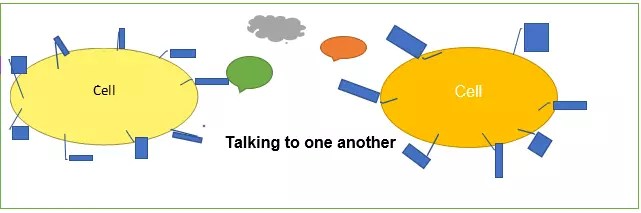
When cells function normally, one cell will interact with another and communicate everything as we humans do.
But when the normal interaction hinders due to some unknown or known reasons, you will have a group of cells that have lost their growth control switch.
This causes cancer in us.
Numerous other factors that will also contribute to the cell’s cancerous state like the ones cited above.
How are Formica fusca ants detecting cancer?
Just like they helped Antman, they might help us too, maybe better, if we show them a bit of respect, treat them like equals!
Now, these scientists are smart, they use a reward system and train these ants.
Well, they don’t know they are being trained and what they know is that if they perform a certain role, they get food.
Isn’t it the way humans are also designed?
They were just happy when they were allowed to keep the sugar solution with them whenever they detected the smell they were trained to remember.
Amazingly, the ants could detect the smell of cancer even when they were not being given any rewards after sometime. They lingered around the smell and researchers also found out that these ants could even differentiate cancer between two very different cell lines.
They are not really sniffing your rotten mass but 134 volatile organic compounds released by your body to come to the conclusion that the cell growth process in that particular individual is corrupt in a certain region.
Lung cancer, breast cancer and almost all types of cancer can get detected.
However, you cannot instantly train them. Remember, what they said in Antman, you need to be honest, truthful, and transparent to the ants, and only then will they help you in your mission.
Indeed, time is what you need to train these fearsome, independent, self-reliant creatures as they practically seem to listen to nobody.
What is the next step in the process of cancer detection through ants?

The next step in the process is obviously, a few clinical trials on humans.
Just for your information, each clinical trial is completed in five phases-
Phase 0: Where the drug or the phenomenon is used in only a few patients.
Phase I: Safety analysis phase: Where the proposed phenomena need testing on healthy individuals.
Phase II: Efficacy of treatment: When a typical drug or a test is run on a group of people who have a certain type of cancer.
Phase III: Comparative analysis between what is already there in the market and the novel method or product: Usually double-blind Phase IIIA and III B studies are run on larger populations inflicted with the disease.
NDA submission after which there will be the Phase IV studies.
Phase IV: When the drug is out in the market: Studying the drug’s or the test’s success when it is run in an uncontrolled population and is already out in the market.
Primarily, through separate pharmacovigilance units, safety and efficacy data is collected for the drug and is submitted to the FDA and other drug regulatory authorities like DCGA, EMEA, and many more.
If there is a widespread challenge detected with the use of the drug or the test, usually there is either total recall or a batch recall initiated by the company manufacturing and hoisting the drug.
End Lines
Finally, when we travel to Mars, maybe, we can have our personalized jar containing a group of these ants with us. Every time, we doubt our bodies, just throw them over our bodies to know if we have cancer.
Once you confirm you have run further tests, and get treated even before they can destroy your home and world, leave alone your body!
Successful Mars Explorations and their findings
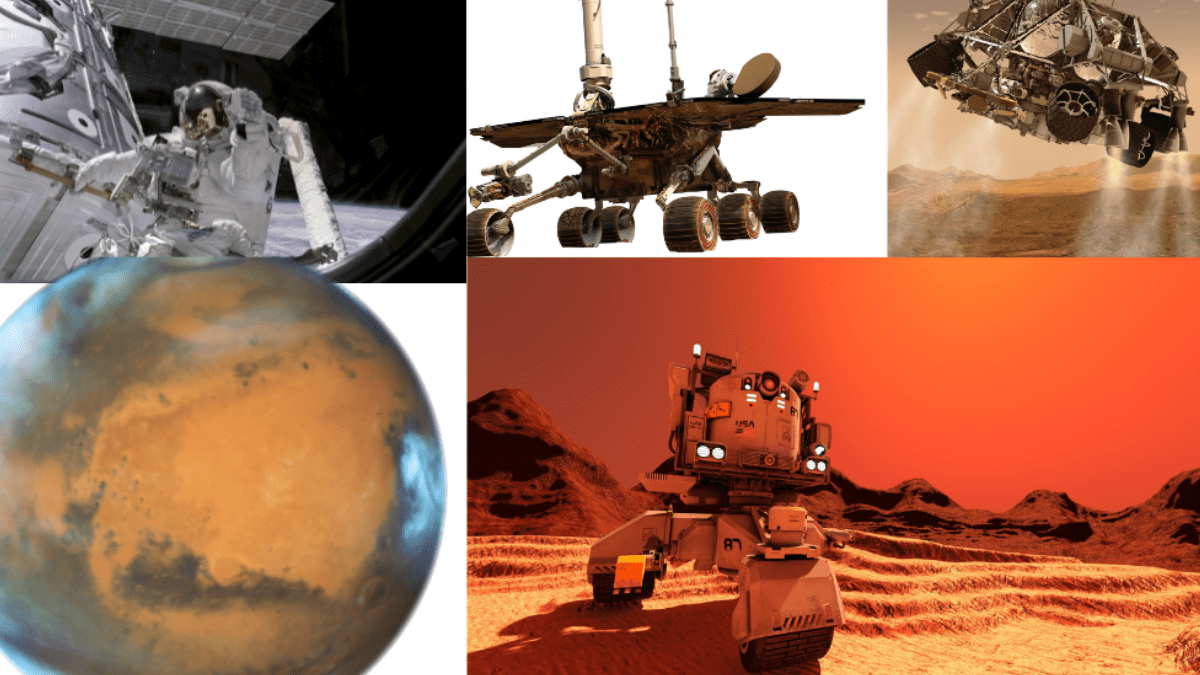
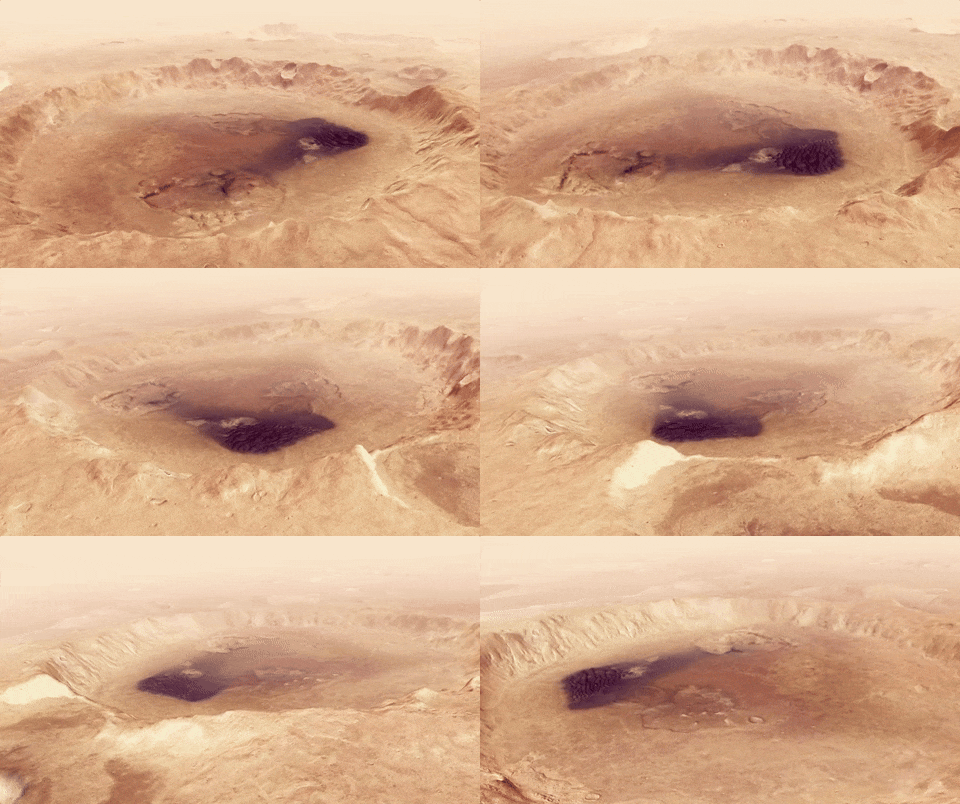
Back to where we left in the last article about Venus! Next was Mars exploration, isn’t it?
Yes, it is indeed one of the most talked about topics in the world.
Mars, Mars, and Mars expeditions!
So how long have been Earthlings tried for Mars?
If you carefully observe, our details about different Mars missions, both successful and unsuccessful ones’ date back to the time when a coordinated space mission system and division came into existence. When these consolidated systems began understanding that our future might not be very bright on Earth, given we were already exploiting it for our needs.
Solid data about attempts of being on Mars has existed since the 1960s when systemic launches began from different space stations to Mars.
There is a list of launches that were made by us to Mars.
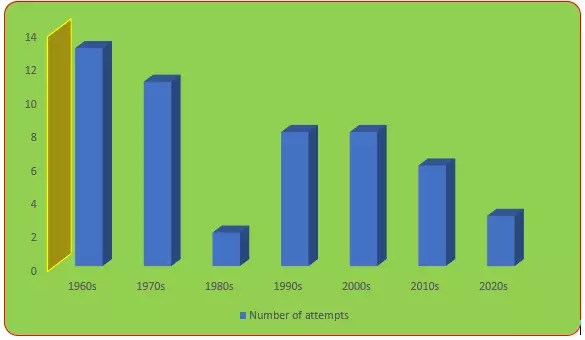
Had all these missions & Mars explorations been successful, we would have been on Mars by now but that is not the case. There have been so many failed missions through which there was nothing that we could find out, unfortunately.
But then, Mars was built bit by bit by us, by our people, so it seems with the data that we seem to have collected over the years.
Let’s talk of the successful drives that led to where we are today.
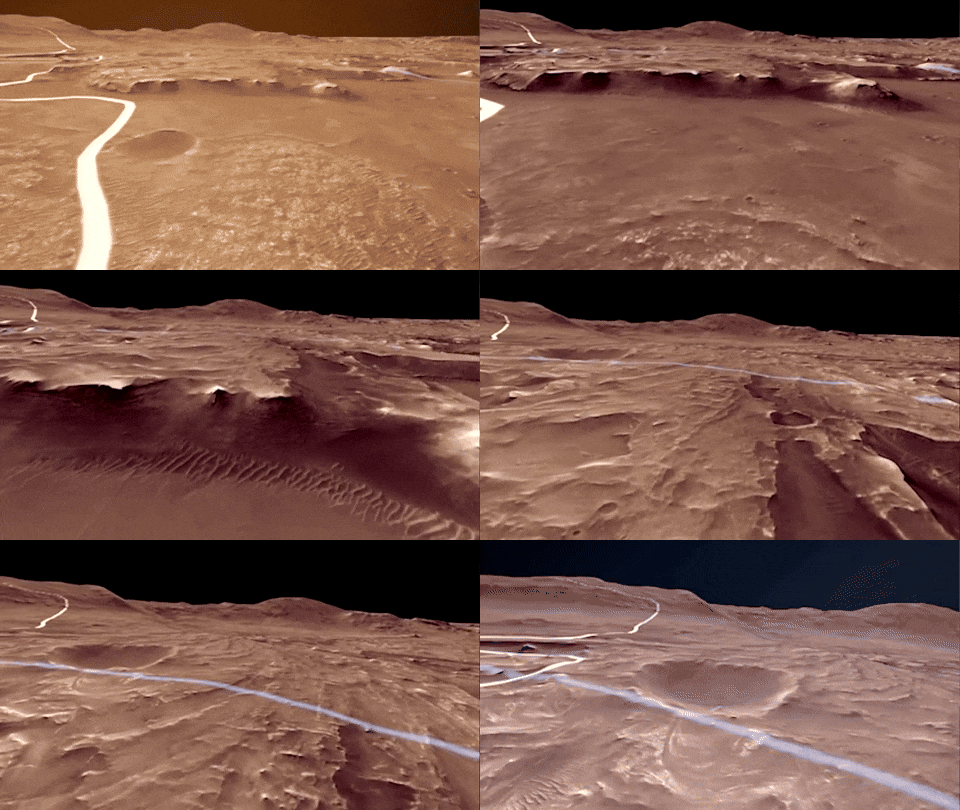
Successful Mars Missions until 1999
| Mars Mission | Findings | Endings |
| Mariner 4 (14th July 1965) (The US) | First pictures of Mars and its craters | Lost in space |
| Mariner 8 & 9 (1971) (The US) | Mars 9: Pictures of Mars that help in developing substantial understanding about the planet like Nix Olympica was found to be the highest volcanic mountain in the entire solar system | Lost in space after helping decide the presence of water on the planet before. |
| Mars2 (1971) Soviet | The first man made object to land on Mars | Crashlanding led to system malfunctions |
| Mars 3 (1971) Soviet | Malfunctioned after 14.5 secs on Mars | Sent back 60 pictures of space until 1972 |
| Mars 4,5,6 & 7 (1973) (Soviet) | Mars 4: Detected the first nighttime ionosphere picture of Mars Mars 5: transmitted back 60 pictures Mars 6: landing data transmitted Mars 7: Did not work at all | Mars 4: lost in space Mars 5: Pressurization loss puts an end to the Mars mission Mars 6: failed to impact Mars 7: got damaged while landing on Mars |
| Viking 1 & 2 (1975) The US | Showed presence of microbial life on Mars | Ended as inconclusive data and program |
| Mars Pathfinder with rover Sojourner (1997) The US | First Martian rover to land on Mars | – |
| Mars Global Surveyor (1997) The US | Observations of the planet included studies, the lower altitudes, nearly polar orbit, entire Martian surface study, magnetometer readings (not globally generated magnetic core instead localized) magnetic cores), Martian Moon Phobos’s pictures | Lost contact with Earth on 5th November 2006. |
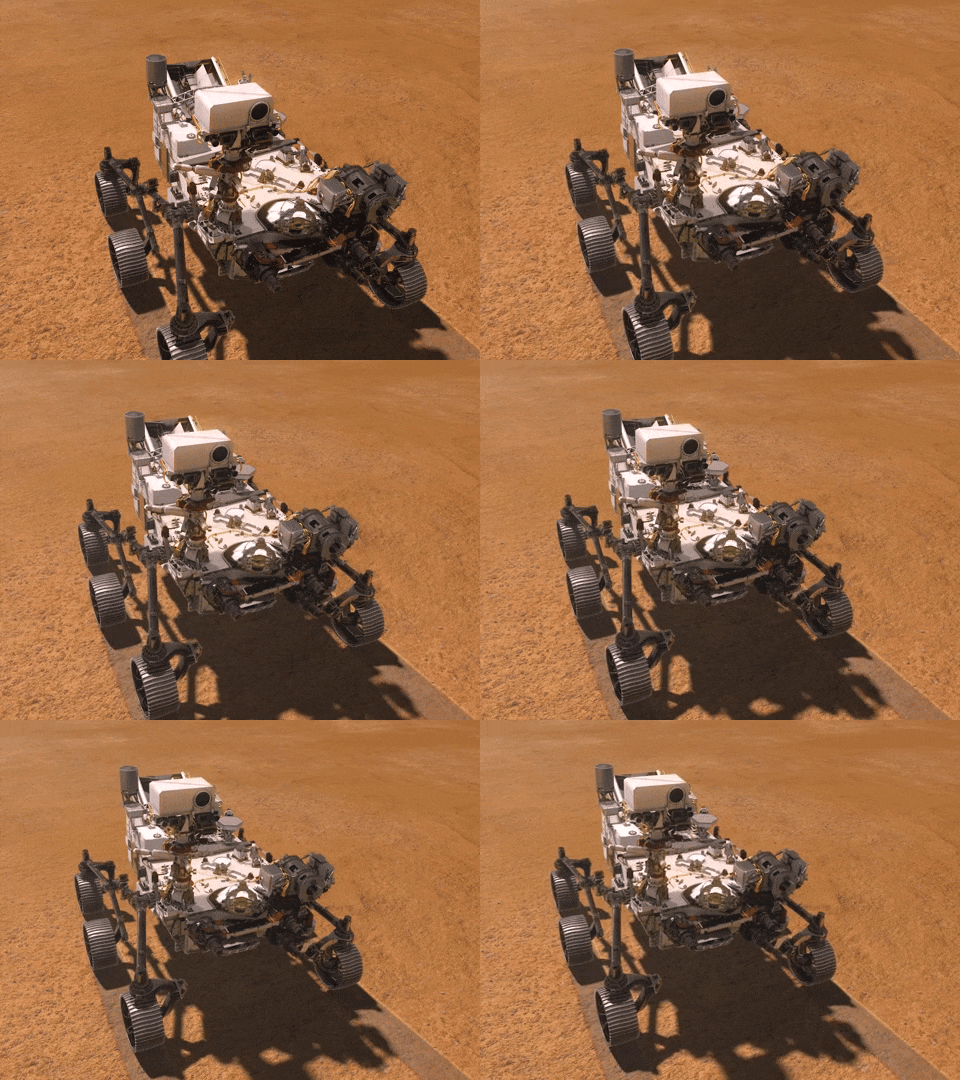
Successful Mars Missions after 2000
| Mars Odyssey (2001) The US | Observed a large amount of hydrogen in the atmosphere. It shows the presence of water or ice deposits, 3 meters from the Mars soil in the South Pole at a 60-degree latitude | – |
| Mars Express (2003) European Space Agency | Confirmed presence of water & carbon dioxide in ice form in the planet while NASA confirmed water in North pole | Malfunctioned on Martian surface |
| Beagle 2 (2003) ESA | First European aircraft to do a soft landing on Mars | – |
| Mars Reconnaissance Orbiter (2006) The US | Monitors Martian weatherDetects ice, water & mineralsFaster data transfer from and to the Earth’s surface | |
| Dawn (2009) The US | Used Mar’s gravitational force to alter direction & speed en-route. Checked on Dawn’s cameras | |
| Curiosity rover (2011) The US | Is deemed to study Mar’s habitability | |
| MAVEN (2013) The US | It will investigate the upper atmosphere of Mars | |
| Insight (2012) | Telemetry insight provider | |
| Mars Orbiter Mission (2013) India | It will study the Martian atmosphere & will take up technology demonstrations on Mars | |
| HOPE (2020) UAE | With a Japanese H-IIA booster, this machine studies the Martian atmosphere and weather | |
| Tianwen-1 and the Zhurong rover (2020) Republic of China | Is deploying cameras on the Martian surface at strategic locations | |
| Mars 2020 (2020) The US | Is set for a year on Mars (685 Earth days) and will study traces of ancient life on Earth |
Still, a long way to go, is it, or have we already reached the end of Mars explorations and can we finally set mankind’s foot on Mars?
This is the question that needs answers in the next few years. Till then keep a close watch on this blog for every happening on Mars.
Where should you live? Venus or explore Mars?

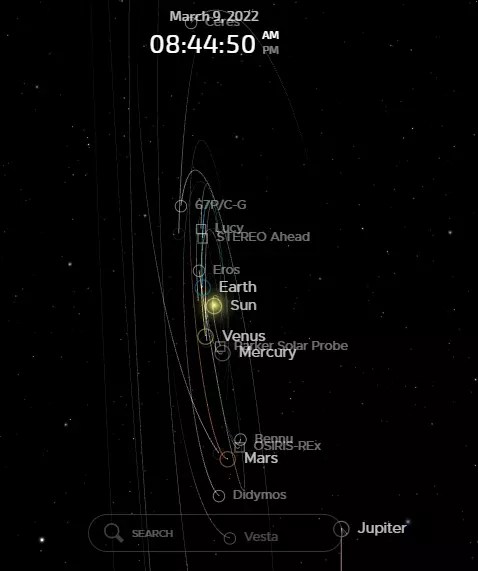
Should we choose Venus ?
Even though we are all set to explore Mars?
If for a moment, I could ask which planet would you choose to stay after Earth, will you fall back to thinking about it?
If you do fall back to thinking about it, that’s a good thing. It means you are considering your options.
What do we have on our platter?
The outer planets and the inner planets together we have 9 planets;
What do these planets say about living?
Should we explore Mars or even try Venus
Jupiter?

Yes, the biggest, of course, but the angriest of all.

Saturn?

Next best with rings that house elves and fairies who sing day and night to keep the Earth and the entire solar system in balance.

Uranus

Can you think of it? Too unpredictable, I would say.

Neptune

It is full of water which is good, but then you can’t make your hut on the water!

Pluto

Home will be too far, and God knows when we will be traveling at the speed of light?

Mercury!

Does no one know how wise it is to stay so close to the sun? Well, too close to the hot, dashing, rumbling, roaring sun, it could mean a shadeless living, and aren’t we so used to the darkness and beautiful shadiness of people and places? Will it mean only sunny people can live on Mercury? Humans are soft and delicate creatures, and too much sun can char them to their ashes.

Mars is an option. Hmm mmm!
Many countries are investing to explore Mars!

Yes, it is an option, for sure. The same amount of sun’s rays and a lot of light and dark make Mars exploration more promising and better than any.

Venus is, with an atmosphere, has a surface formed 150 million years back. Well, won’t it be worth exploring?
Head straight to our reasons for choosing it as our next home? I think i can stay but do you think you can?
1. Venus is of the same size as Earth?
Does that make it a good place to be? The whole of Earth can just migrate to Venus! Exciting, isn’t it?
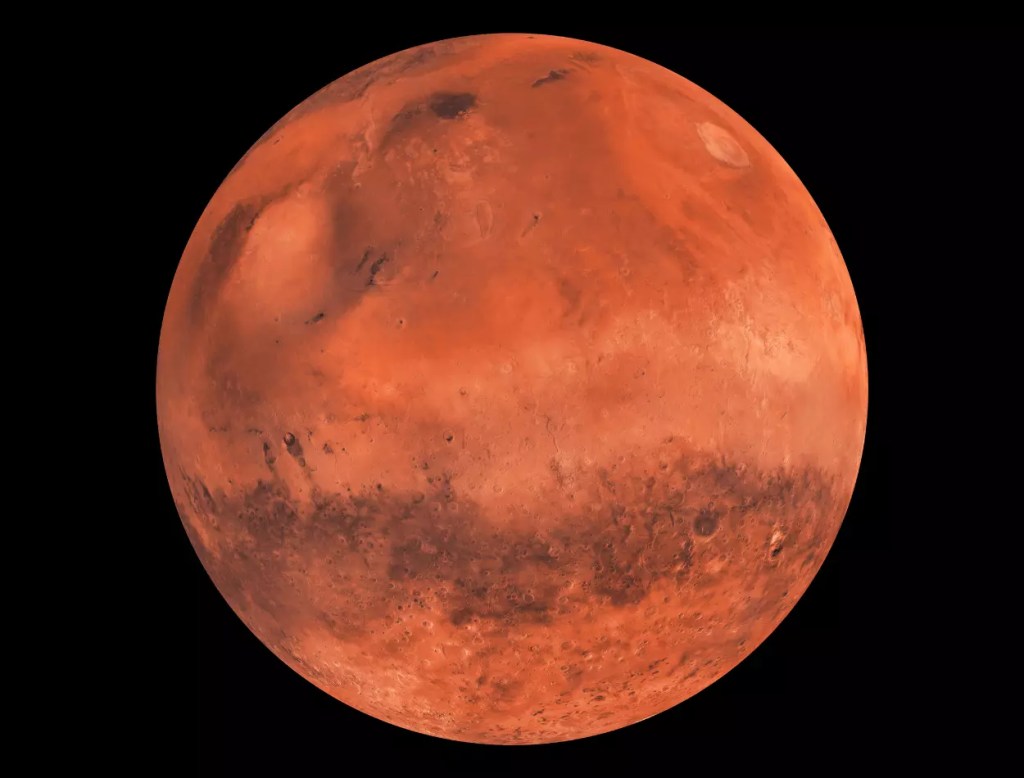
2. Men are from Mars, and women are from Venus.
Is there a possibility that women move to Venus with men in their support, and men move once we have explored Mars with those women who support them? Well, that is not possible, absolutely not. Though men and women are different from each other, they are co-dependent on each other for maintaining life on Earth. If people need to move, they need to do it in a way that both men and women travel to Venus as well as to Mars in equal or slightly variable ratios after we complete exploring Mars.
3. Venus is Earth’s twin for being the only planet with an atmosphere after Earth!
Homer’s books, “The Iliad” and “The Odyssey,” mention Venus as a beautiful star.
John Gray uses the planet to define relationships.
Frankie Avalon’s song “Venus” became popular and topped the Billboard charts in 1959.
The planet gives sisterly vibes as its thick atmosphere is replete with carbon dioxide and other greenhouse gases.
Let’s see if it suits your taste?
Is Venus our toxic twin?
Venus is the same size as Earth, and as we ramble repeatedly, Venus has an atmosphere.
But its atmosphere is far more toxic than our own.
It won’t be nice if everyday you get up and smell sulphuric acid for your breakfast and endure the rotten egg smell of hydrogen sulfide.
However, can someone do something to make it worth living, given it has its natural umbrella? We need to wait and see if space scientists can come up with a way to evade such a smelly atmosphere while using it to our benefit.
At 700 deg. Fahrenheit, you cannot imagine living with the kind of anatomy and physiology of the human body. Its high temperatures are not thankfully due to its closeness to the sun but due to the ability of its atmosphere to trap greenhouse gases while they strike the surface of Venus.
With years shorter than the days, how will it be living there?
One thing that I always crib about is time, less and less time, here on Earth. A day’s work just needs one more day, sometimes more than a week or a month.
Well, anyone who suffers from lack of enough time on Earth can surely consider Venus to be the brightest alternative.
Rotation is slower!
One day on Venus is 243 days on Earth.
Yihoooo!!! If someone tells you to complete your work in a day, you have all the time on Earth to do it on Venus. Wow! Refreshing, and I am almost daydreaming about the comforts I can have on Venus as much as time is concerned.
Can a young crust be safe enough?
NASA says its surface is just 150 million years old.
What would that mean?
Does that mean Venus revamped its surface in the last 150 million years?
OR
Will it mean that Venus’s surface is just 150 million old?
I think we are yet to find out that!!
Does terrain diverseness mean more exploration?
The terrain is full of volcanoes, mountains, and rifts alternating with expansive plains that are volcanic, irregularly interspersed with ridged plateaus.
It means there is a chance that atmospherically different terrains will have different types of climates.
The question is, how different can it be? Can it be as different as it is here on Earth, or will it be far more diversified?
Stinky clouds can be a stinker bomb when two people fight?
Sulphuric acid could be a stinker bomb, and you don’t need to go far to get it. Just lift your hands in the air and reach out for the clouds. Almost located within 45 to 70 kilometers, the clouds can smell like rotten eggs.
Other than serving as gas bombs, there is not much you can do with its clouds.
Do you need to observe caution thus when thinking about being in Venus? Can you solve it, maybe pump ozone below the H2SO4 (sulfuric acid)? Will H2SO4 not mix and eat up all the ozone layer? Chances are, if you are serious, you must come up with a better idea to dodge these clouds.
Can landers survive on her, given she is also hot despite an atmosphere?
Leave alone landers, can you find out a way to survive on Venus despite its ravishing heat?
Our soft supple body is too delicate for harsh climates and can succumb faster than you think.
How will it be with the Sun rising in the West?
If you have read about its rotation (on its axis), you must also know about its revolution (the one where it goes round and round the sun also).
It takes 225 Earth days to revolve around the Sun.
What does it imply?
More and more New Year celebrations!
Every day will have one New Year celebration.
Didn’t I say it takes 243 Earth days to complete a rotation and 225 days to complete a revolution which means every day will be a New Year!
I can’t wait to celebrate each day!
On Earth, we merely say it- celebrate each day as it comes, but on Venus, you really get to do it! Just not in the literal sense, but in reality, yes, yes, truly. Wow!
Would you, do it? Will you leave Earth for Venus? Are you excited?
Does it give you hope that you can do something in Venus?
Well, what I have mentioned is merely seeming to be the beginner’s luck, and hence the journey seems longer than we can perhaps even count- a few generations of us perhaps!
What do we do, keep exploring Mars or go to Venus
Next destination will be Mars- explore Mars with me, of course, and maybe you can stay there. After Mars was explored it has given hope, what about Venus, I think its time we explore it too.
Well, Venus too, and I guess post these transitions, humanity will be rid of reasons, and warring each other might stop once and for all, and all will be peaceful again!
Understanding Net Zero
Net zero refers to striking a balance between the amount of anthropogenic gases that go into the atmosphere and the amount that is removed from the atmosphere. The race for net zero has commenced to stabilize Earth’s climate as soon as possible.
According to NASA’s Goddard Institute for Space Studies (GISS), the temperature on Earth has risen by 1.1°C since pre-industrial times. 2021 was the sixth warmest year over the past decade. The conjoined efforts of scientists, environmentalists, and climate activists has paved the path for attaining net zero over the next two to three decades.
Understanding climate change and its consequences
The term climate change in the simplest way can be explained as drastic changes in the weather patterns at the global and regional levels.
Industrial and vehicular emissions have together contributed to the excessive release of carbon dioxide and other greenhouse gases (methane, water vapor) into our atmosphere. Too much accumulation of greenhouse gases has led to the entrapment of infrared radiation in the atmosphere. This is known as greenhouse effect and its consequence is global warming.
The global carbon dioxide emissions from fossil fuels alone reached its zenith in 2019 as per a report from the Global Carbon Project. Besides a rise in the global temperature by 1.1°C, the CO2 concentration has also crossed the 400 ppm (parts per million) threshold in the atmosphere. This is leading to the loss of polar ice caps and melting of glaciers which is further leading to a rise in sea level. The global mean sea level rise is approximately 3.3 mm per year, estimated from 1993 to the present day.
Erratic weather patterns, extreme climate events, devastating flash floods, heatwaves, raging forest fires, and terrible hurricanes are a net result of global warming.
International events that paved the way for net zero
A lot of awareness and movements against climate change coupled with actions from international organizations have finally paved the way for carbon neutrality.
- Myles Allen, Dave Frame, and several other scientists first highlighted the correlation between the cumulative emissions of CO2 and global warming in a research paper published in 2009.
- The report that played a pivotal role in convincing the world that achieving net zero is our only hope in the battle against climate change is the IPCC Fifth Assessment Report. It stated that to reduce the impact of global warming, the CO2 pile up in the atmosphere must be limited.
- Article 4.1 of the Paris Agreement mandated the urgency to strike a balance between anthropogenic emissions and their removal to bring down the accumulation of excessive CO2 in our atmosphere. The agreement also insisted on preventing the rise of global temperatures beyond the 1.5°C mark.
- The IPCC Special Report on 1.5°C concluded that attaining net zero emissions of CO2 by mid-century is indispensable. It also pointed out that the simultaneous cut down of non-CO2 emissions is essential for our survival.
- Youth activists like GretaThunberg also initiated “Skolstrejk for Klimatet” (strike for the climate) and “Friday For Future” movements to attract the attention of world governments on stopping climate change.
- The UNCOP26 held last year in Glasgow laid impetus upon reducing global temperatures to pre-industrial standards, reducing methane emissions by 2030, and much more.
What is net zero?
The concept of net zero was introduced in IPCC’s Fifth Assessment Report which stated that the cumulation of the net anthropogenic CO2 must reach a state of zero in the atmosphere to cease the impact of global warming.
Thus, reaching a state of net zero emissions or carbon neutrality means achieving an atmospheric state where the amount of greenhouse gases emitted is equal to the amount of greenhouse removed from the atmosphere.
In order to be carbon neutral, the world needs to focus on two aspects;
- To reduce the activities associated with intensive agriculture, excessive industrialization, power generation, and transportation, thereby bring a decline in GHG emissions.
- Increased afforestation, reforestation, and using smart technology to remove the GHG’s from the atmosphere quickly.
Now, you must be wondering what is the difference between gross and net zero, and why are we aiming for net zero specifically?
Gross zero would refer to a state where there are no emissions as such in the prehistoric era. Curbing all GHG emissions is practically unattainable. Hence net zero is the next best option which comprises the aforementioned two steps.
Why is achieving net zero critical?
The only way out of global warming is through attainment of net zero. According to climate science experts, reduction of the atmospheric carbon dioxide load holds the key to stabilizing the Earth’s climate.
So, to be carbon neutral, certain industrial sectors can contribute towards reducing their CO2 output into the atmosphere while others who don’t have the option to reduce it can make an effort to remove it from the atmosphere.
The electricity sector can turn to renewable sources of energy and nuclear energy for its generation while the transportation sector can depend on electricity or hydrogen as its fuel source. Tesla, BMV, Volkswagen Group, and many more automobile companies are already manufacturing EVs.
The aviation sector and even the agricultural sector is not having many options to reduce their GHG emissions. So, these emissions must be removed to balance the atmospheric carbon load. Technologies like Bioenergy with carbon capture and storage (BECCS) and direct air capture are available solutions to get to the state of net zero emissions.
Final Note
Most nations of the world today have agreed to reach net zero and be compatible with the temperature goal outlined by the Paris Agreement. Other countries are following suit. The United Kingdom was the first G7 economy to create a net zero legislation in 2019 while countries like Bhutan and Suriname are already carbon negative.
137 out of 192 countries have already signed the UN Climate Convention. Finland has pledged to reach net zero by 2035, which is the earliest target of all countries. Next are Austria and Iceland who plan to reach net zero by 2040. Followed by this is Sweden with its target set for net zero by 2045. The UK, France, Germany, Norway, Denmark, Portugal, Switzerland, Costa Rice, and Chile have committed to achieving net zero by 2050. Ultimately, China, Russia and India have set their targets to achieve net zero by 2060 and 2070 respectively.
Simulation Trip to Mars Commences for 45-days: A Mars Mission Update
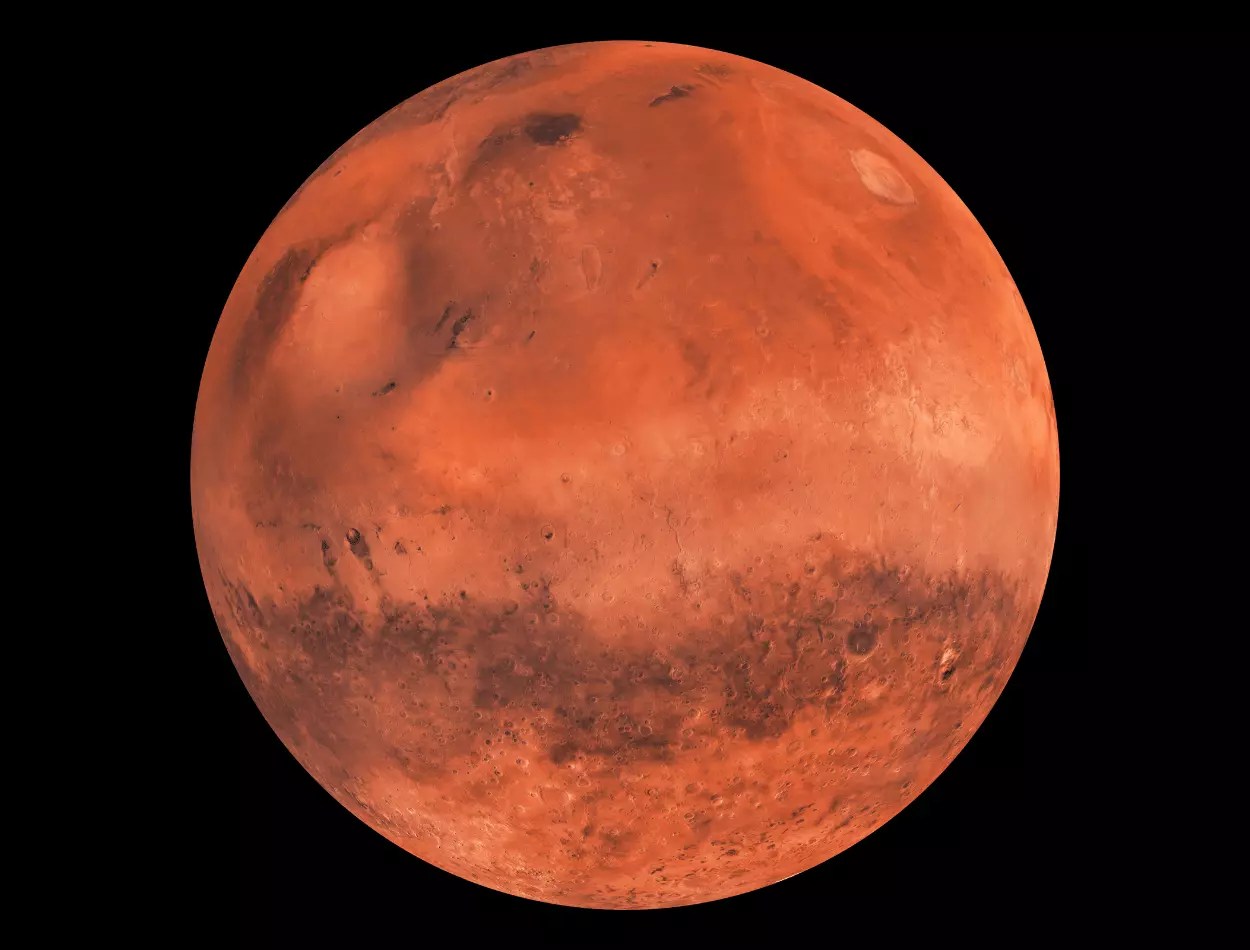
Trip to Mars? Has it commenced already? Well, not in reality but definitely in the form of simulation and trainings. Here is a quick update on the progress of NASA’s Mars mission. Read this blog to know how a four-member crew has begun their 45-day simulation trip at the HERA.
Trip to Mars’s moon Phobos has begun in the guise of a scientific experiment at the Human Exploration Research Analog (HERA). This is the second mission of Hera’s Campaign 6 that has commenced recently and will end after 45 days on March 14, 2022. The first mission was wrapped up on November 15, 2021.
This is a simulation mission which aims to study the impact of long-duration space travel on the human body. The mission with four crew members will resemble the actual exploration mission to Phobos and mimic environmental conditions similar to Mar’s moon.
Who are the crew members?
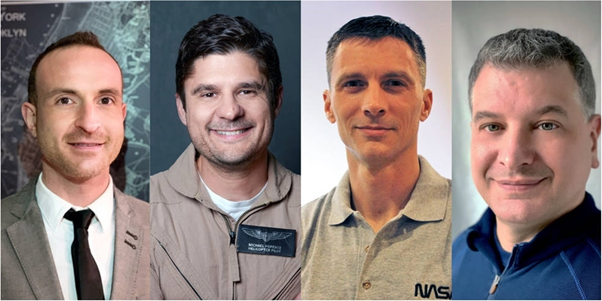
Image Credit: India Today
A four-member crew has set out on a 45-day simulation trip to Mars in the HERA facility. The crew members who have volunteered for the mission are Pietro Di Tillio, Jared Broddrick, Dragos Michael Popescu, and Patrick Ridgley. The hatch officially closed on Friday, January 28, 2022 and the four members will come out of their ground-based habitat at NASA’s Johnson Space Center in Houston after completing the designated period of the mission.
What’s planned for the simulated trip to Mars?
While the main aim of the mission is to observe the effects of prolonged space travel upon humans. Besides this, the 45-day mission will also analyze the impact of isolation and confinement upon the crew members.
The crew will be responsible for carrying out scientific experiments during their stay within the Phobos-like habitat. A total of 15 experiments will be conducted with seven of them returning investigations and eight will be new ones.
The information gathered through these experiments will be helpful in prepping astronauts for the real-time Artemis exploration missions to the Moon, for trips to lunar Gateway outposts, and ultimately for long-duration Mars missions.
Another crucial part of this simulation trip is to determine the delays in communication that the crew will actually face when they will reach Phobos in actuality. Delays in communication have to be worked out so that they don’t impact the real missions drastically.
It will also help to learn more about team integrity and how people would behave in autonomous environments.
What is HERA?

Image Credit: NASA
Human Exploration Research Analog is an Earth-based facility that is used for conducting space research mimicking different scenarios and environmental conditions. HERA is a cylindrical three-story habitat unit with four ports. It is approximately 25 feet in height and 47 feet wide. It is currently located at the Johnson Space Center which is integrated with a simulated airlock and hygiene module.
It is an analog mission that aims to prep astronauts, teams of aeronautics engineers, and ground teams for explorations and space research on the Mars, the Moon, and other areas. This unit is created to mimic space environments and help teams of volunteers to train and adapt to space-like habitats.
Further, it facilitates testing robotic equipment, vehicles, communication devices, storage facilities, conducting mobility exercises, power generation drills, infrastructure integrity, and a lot more.
In addition to this, behavioral effects and psychological effects are also monitored under conditions of isolation, confinement, mental fatigue, etc.
Two other simulated missions are scheduled for this year with the final mission to end on September 12, 2022.
 TheScientificTriangle
You must be logged in to post a comment.