TheScientificTriangle
What about the environment and science
How Is Postpartum Psychosis Treated
What is postpartum psychosis?
How Is Postpartum Psychosis Treated (PPP) is a major issue in the post-pregnancy period. It is a reversible psychological problem, but it is much more severe. Also, it rarely happens with women, but it is dangerous for their mental health.
In this severe stage, women have higher chances of hurting themselves, attempting suicide, and harming their children. So, this state of PPP is called a medical emergency. If anyone is fighting this symptom, you should discuss it with someone to get immediate medical attention. You must dial the local emergency number even if you see someone in this condition.
Who gets affected? How Is Postpartum Psychosis Treated
Postpartum psychosis can harm especially those ladies who have given birth recently. Also, it can take a couple of days to affect the person, sometimes six weeks.
PPP can be diagnosed in anyone, but the odds may have happened with some women who already have certain and severe mental illnesses. So, for them, the chances of PPP are high. Experts are not sure whether this mental state would cause PPP, but they predict there can be a link.
Statistical Report on postpartum psychosis
With the elevated graph of catalogued global manifestation of postpartum psychosis, experts reveal the present state, i.e., 0.089 to 2.6 per 1000 deliveries. Though this emergency mental illness classifies the current scenario with a low incident rate, it still needs proper medical attention, social awareness, and medication. Also, there are high chances of suicide if it is not detected and medicated as soon as possible.
Case study
Sarah was a charming lady who had gone through forceps delivery after 41 weeks, which was a journey from failure to success because her body was full of liquor blended with sleazy meconium. So, this damages blood up to 500ml. But her newborn baby was healthy, fit, and fine without complications.
The medical team recorded her health condition as low-risk when she was admitted. Also, doctors learned that she was taking ferrous fumarate to prevent pre-determined anaemia. She had no previous family history of such serious mental instability. After much research and surveys, the mental health team discovered that the girl had a brother with a severe hearing disability. Also, at that time, the situation at her home was extremely complicated.
Though having a serious mental problem, she joined a health professional team as she was good at English. That time, she had an interpreter in the booking. She kept interacting with her family often, and those remained forever in her hometown after she migrated to another country. On the other hand, her husband needed to be more conversant in English and needed an assistant.
After a few days, a tiny symphysial-fundal height assessment and a long span of fetal distress made her panic. After one day of the operation, healthcare personnels took her to a midwife care. But, from the 11th day, the midwife started noticing strange behavioural patterns in her. After noticing such weird changes, they decided to admit her to the hospital. At that time, she too declined and agreed to get the hospitalization. One day later, her husband came to see her and took her to the A&E due to her dire condition wherein she presented confusion, fever, and disorientation.
In the A&E, one of the perinatal mental health team members suspected that Sarah had an issue with a psychotic episode. Then they collaborated with the best doctor’s group including obstetricians from the perinatal mental health facility to identify the best possible way for her treatment. Eventually, Sarah was admitted to the postnatal department and medicated with antibiotics and paroxetine. On day 24, they transferred her to the mother and baby unit
How does postpartum psychosis happen?
Medical experts don’t have a clear conception of postpartum psychosis. Also, after much research, experts still suspect there are some reasons behind this mental illness. They noted some factors that might be responsible for this disease, including family mental health history, bipolar disorder, and others. Most patients with this symptom were diagnosed with a sign of previous mental sickness.
1. When does postpartum depression start?
Many wonders when they hear PPP can be seen in the fourth, sixth, or eighth month of giving birth. According to the American College of Obstetricians and Gynecologists (ACOG) Report, PPD can happen anytime within one year of baby birth. But, if you can identify the symptoms at 1-3 weeks, it will be easier for medical persons to start treatment.
2. Postpartum psychosis pathophysiology
Postpartum depression is not the mother’s doing, but her body’s. For a woman, a whole world comes to a close when the doors open to a new child. It is often tough to handle it, but what make it worse are the additional factors contributing to the depression. If the body’s hormones change, or if you are genetically predisposed to it, and even immune disorders cause havoc, you cannot blame a mother, but her entire body, the flesh that makes it.
- Hormonal factors tend to play a crucial role{ is postpartum psychosis curable}
Estrogen and progesterone are the factors that come together when we talk of hormonal changes in a woman’s body.
- Not only do they regulate your uterus and ovaries, but also your thyroid, lactogenic hormones, and even the hypothalamic–pituitary–adrenal axis, including your immune and genetic systems.
- Changes in reproductive hormones will cause a variety of changes in our bodies and mind. The way we think, perceive and observe the world undergoes rapid change.
The reality around us changes and this causes us to become increasingly distinct, to the point where we are unable to relate to others. Depression is an obvious outcome of it and once it sets in postpartum life, it becomes difficult to manage. You will need to undergo appropriate rehabilitation to get back to life without depression once again.
2. Genetic changes How Is Postpartum Psychosis Treated
Genetic studies have shown interesting observations.
- One such observation is found in the Val66Met polymorphism of brain-derived neurotrophic factor.
- The genetic variation of the chromosomes observed in 1200 women revealed chromosomes 1q21.3-q32.1 and 9p24.3-p22.3, as well as Hemicentin-1 (HMCN1). Several oestrogen binding sites can be found here.
- Estrogen can also induce DNA methylation changes.
3. Immunity changes
The immune axis present in our body is regulated by estradiol. During the perinatal period, anti-inflammatory cytokines are raised. After birth, it remains pro-inflammatory for a long time and is frequently elevated for several weeks or months. Gene expressions in relation to postpartum depression can be a causative factor in making things worse for PPD patients.
How to treat postpartum psychosis?
Postpartum psychosis medication
Postpartum psychosis is an emergency state of mental illness. Often a carrier of this disease will receive medical attention at a healthcare centre for the first few days. After that, when her mental state becomes stable, assuring that she will not harm herself anymore, she will get discharged. Someone needs to help her out and take her to an immediate crisis centre or emergency care unit.
During the PPP period, experts provide medication to lessen depression and anxiety, ballast the mind state, and reduce psychosis. Examples include:
Antipsychotics: This medication treatment reduces the phase of hallucination. It includes;
- Risperidone (Risperdal)
- Olanzapine (Zyprexa)
- Ziprasidone (Geodon)
- Aripiprazole (Abilify).
Mood stabilizers: This treatment includes a different medication that treats manic symptoms. It includes;
- Lithium (Lithobid)
- Carbamazepine (Tegretol)
- Lamotrigine (Lamictal)
- Divalproex sodium (Depakote).
There is no particular treatment or medication for postpartum psychosis because every woman has symptoms and mental instabilities. So, they respond differently to antidepressants instead of other drugs or combined medicines.
If any woman does not respond to the above-stated medical treatment, she needs more advanced medication, like; ECT (electroconvulsive shock therapy). This treatment is more effective than the previous one. In this technique, medical experts involve electrotherapy by stimulating the brain with electromagnetic induction.
The effect of this electric therapy is that the brain starts working again properly by resetting the created imbalance, which causes Postpartum psychosis episodes. It also cures the problem generated by bipolar disorder.
Postpartum psychosis prevention. How Is Postpartum Psychosis Treated
Postpartum psychosis prevention for postnatal psychosis is to determine whether the person has a higher risk of psychological exhaustion. It also recognizes the forthcoming postnatal psychosis through medical screening and medication.
Some useful preventives are antipsychotic drugs, ECT and hormonal therapy, and mood stabilizers. These emergency medical services can reduce the risks of psychosis.
Postpartum psychosis nursing care plan
Nursing Management
Nursing management says that nurses should be alert in identifying a patient’s mental unhealthiness and psychological state. They provide needed nursing care plan to reduce the risk of having postpartum depression.
Nursing Assessment
- Nurses assess a woman’s mental health before the delivery.
- They study the patient’s family psychological history and cases.
- Also, they go through the history of patients’ diseases to provide prior counselling before the delivery.
Nursing Diagnosis
- They diagnose impaired patients with an inability to perform daily tasks and secondary living harmed by postpartum depression.
- Nursing Interventions
- They assist women in doing their daily activities like other normal people.
- They recommend a good association where she can open up her mind and share her words.
- They advise the woman to spend some time with herself to get an interval from the daily baby care plan.
Conclusion How Is Postpartum Psychosis Treated
A mother’s psychological state massively affects her physical condition, especially during delivery. So, a healthy lifestyle and fitness should ensure that she can care for her infant properly and safely. Also, bonding between a mother and her toddler should be holistically good.
Prevention Strategies For Chronic Diseases in India

Chronic Diseases in India. A diagnosis of a chronic health condition can take the wind out of your sails. Yet, you can still enjoy a full life if you make intelligent decisions about health care. Follow these whole-body Chronic Diseases in India health strategy suggestions from The Scientific Triangle to promote whole-body wellness.
Arm Yourself with Knowledge
Understanding your condition better empowers you to manage it and is one of the best whole-body health strategies one needs to follow while recovering from any chronic illness. Your healthcare practitioner can point you to sources for reliable information. Turn to trusted websites that direct you to reliable testimonials for health solutions.
Social networks and support groups connect you with others who can empathize and offer further advice. As you increase your expertise, you’ll feel more in control and less as the condition controls you.
Get Balanced Rest, Chronic Diseases in India
The energy you devote to care can exhaust you, so find equilibrium by asking for help when you have too much to do. If you want to be fit every day do get some rest as we recommend it as the next best body health strategy you can easily follow. You will have to say no to requests at times or take an entire day off to recharge mentally and emotionally. (Remember that a day off for health care is not truly a day off.) When you’re revitalizing your spirit, turn off your notifications and let your mind refresh.
If your routine has become unsettled and you’ve become lethargic, schedule time to get outside and go for a walk to get some valuable exercise. A workout partner can keep your motivation high. You may need to put away devices during the day so you don’t get distracted by time wasters.
Cut Work Stress
Never take home what weighs more than you. Always give the next day a chance and ensure to chop off work stress as the third whole-body health strategy.
Anxiety over feeling unfulfilled can drag you down, so consider changing jobs to get away from a draining career. Look for ways to enhance your skill set to advance to more rewarding employment. For instance, medical coders can take a professional development course online to learn how to determine the correct medical service claims, procedures, and codes. When you pass the final examination, you receive a certification of your upgraded skills.
Make Well-Being a Family Affair
Everyone in the house can chip in to support fitness and well-being. Create a dietary plan together and enjoy rewards and recreation for staying on track. A weekend trip to the park can be a fantastic source of fresh air, sunshine, and exercise. Find toys and equipment to enrich your routines. Check out in-depth product reviews from unbiased sites before spending your hard-earned money on fitness items.
Keep a Journal, Chronic Diseases in India
A very practical whole-body health strategy for your overall well-being is a necessary one. Stay present and in touch with your feelings by recording day-to-day events. The information can keep you from forgetting vital information to share with your healthcare provider and help you cope with negative emotions. When words fail you, draw your feelings, which may be a more powerful outlet than words.
- You can even scan in your journal entries with a photo app that converts them to PDFs and make them presentable by knowing how to rotate a PDF image.
- By having digital copies of your entries to share with your doctor, you don’t have to worry about bringing your physical journal with you.
Seek Out Natural Solutions
Herbal medications work with the body’s biological process for a more gentle path to healing. Experts conclude that billions worldwide rely on naturopathic and herbal medicines to ease symptoms and promote healing. Natural items can still carry risks like synthetic treatments, so discuss supplements and remedies with your healthcare team.
Advocate for Others
Supporting another person in their health journey can take your mind off your pain and help you appreciate your blessings. Do not forget your understanding of a disease and its pain can help many in a zillion ways you can’t even imagine, hence advocate helping others as one of the best whole-body health strategies. It can change not only others’ lives but can empower even yours in many ways. Accompany a friend or family member to doctor’s visits and help them fill out forms and remember crucial questions about diagnoses and treatment. Learn how to ask questions directly and respectfully.
Chronic illness doesn’t mean you have no options or hope. Positive steps help minimize problems so that you gain the most out of life. These body health strategies and tips can boost your living and enrich your experiences.
How Time Management Reduce Stress
WHO defines the term How Time Management Reduce Stress as any type of modification that leads to physical, emotional, or psychological strain. But long before I had even heard about WHO or the literary word “stress,” I could identify it. That uneasy feeling came with the thought of going to school on Monday or finishing homework the day before school reopened after summer vacations.
Most of the stress factors affecting us are somehow related to our inability to deal better with time compared to the tasks at hand. This is where time management comes into play. Time management is the concept of organizing one’s activities in an orderly manner and allotting the proper amount of time to each task for better productivity.
Hence, in the modern world, stress management and time management have become important life skills that we all need to imbibe to work in a stress-free and smarter manner. If you are unsure how to manage stress and your time well, then this is the aptest blog for you.
Stress management and relaxation techniques
There is a famous quote in Buddhism; “If a problem can be fixed, there is no need to worry. “If it can’t be solved, there is no use in worrying.” This very line is quite applicable in our daily lives as well if we remember to remind ourselves of it.
General ways of reducing stress:
Below are a few ways of reducing stress in day-to-day life. The stress management chart is a visual representation of the pointers below.
- Express gratitude for the good things in your life.
- Eat healthily.
- Drink plenty of water.
- Take ample rest.
- Think positive.
- Exercise daily.
- Meditate and unwind regularly.
- Take breaks in a planned way.
- Love yourself and be kind to yourself.
- Go for long walks.
- Listen to relaxing music.
- Take a bath with Himalayan rock salt.
- Play with pets.
- Pick a hobby and engage in the activity often.
- Cook for a change.
- Share a good laugh with your loved ones.
- Gaze at the stars.
Stress management for employees and professionals:
Maintain a time log
Keeping track of your time can give you a basic idea of the pace at which you normally work. This will normally enhance your planning ability and give you a realistic view of your day.
Plan your days realistically
Setting realistic goals in today’s life is the key to success and happiness. Planning your activities in advance and keeping a to-do list or maintaining a planner can be of great significance. One can take the help of the SMART goal-setting approach.
Specific: The best way to manage stress and improve your productivity is to divide your goal into smaller sets of tasks and sub-tasks. This will help reduce the load of the activity. You can then make a schedule for completing each activity. This way, you will stay organized, focused, and on track.
Measurable – Quantify tasks and sub-tasks by measuring the time needed to complete each of them.
Achievable – Design your schedule in a realistic manner so that accomplishment of the tasks becomes possible.
Realistic – Being realistic with your goals means including adequate breaks and calculating the actual amount of time required to perform each activity.
Timely – Set realistic deadlines for each set of tasks. Once a person establishes this habit, they can accomplish more and avoid procrastination.
Distribute tasks among teammates
Whether at home or in the office, knowing your limits and asking for help is never a crime. When in trouble, talk to people and distribute smaller tasks among them to tackle everything smartly.
Be bold to say “No”
One way to stop upsetting your schedule is to be able to say “no” to unplanned activities if they don’t seem urgent. You developed the habit of sticking to your schedule and disciplining your mind in this manner.
Learn to prioritize tasks
Once you have broken down your big task into a subset of smaller tasks, you next have to learn to be able to decide what is more important in the group. This makes it easy to accomplish things.
Stop procrastinating
“A journey of a thousand miles begins with a single step.”
Lao Tzu
Rather than attempting to complete a large amount of work in a single day, taking one small step each day can make a significant difference in your accomplishments and reduce your work stress.
Keep things sorted
Keeping your workspace, cupboard, room, and life organized can often minimize time waste and help you stay more focused on your daily activities. Time management reduce stress through sorting of things that impact your life on a daily basis.
Stress management during exams: How Time Management Reduce Stress
Following smart planning techniques from childhood can help shape individuals’ stress and time management skills. However, here are a few more tips that may come in handy to cope with stress during boards.
- Follow the 45-minute rule of studying and take a break for at least 10 minutes.
- Follow various breathing techniques.
- Take a good night’s rest.
- Seek assistance from friends and family.
- Keep yourself hydrated.
- Engage in sports or some activities during the evenings.
- Set realistic goals.
Do stress management techniques actually work?
We all have unique stressors, and similarly, in this life journey, we all need to identify our unique ways of dealing with them. Indeed, parents must incorporate stress management techniques into their child-rearing practices. Different stress management techniques work for different people. Feel free to add to the above tips any that have had a positive effect on you.
Time is one of the most valuable resources we have on the planet, but only when we know how to work in sync with it. Stress in today’s world is universal, and a few lines by Marcus Aurelius seem befitting while ending this article:
“If you are distressed by something superficial, the agony is not but to the thing itself but to your estimate of it; and this you have the power to revoke at any moment.”
Learn About why schizophrenia occurs, its Symptoms

Introduction of why schizophrenia occurs
why schizophrenia occurs, There are cases worldwide where people are affected with schizophrenia which is a chronic brain condition. Hallucinations, delusions, disorganized speech, difficulty thinking, and a lack of desire are all possible signs of schizophrenia. The majority of schizophrenia symptoms usually improve significantly with therapy, and the risk of a relapse can be reduced.
Why schizophrenia occurs, its Symptomshas no known cure, but researches are ongoing to discover new and safer therapies. Additionally, experts are figuring out the causes of mental ailment by researching behavioural issues, investigating genetics, and employing cutting-edge imaging to examine the operation and structure of the brain. The diagnosis and research strategies provide the possibility of developing fresh and potent treatments.
The majority of those who have schizophrenia have a temperament that is similar to that of the average populace. However, if there is a lack of community resources for mental health, then it can cause hospitalizations and homelessness. Most of those with schizophrenia live with their families and in group homes, or they stay alone.
According to research, schizophrenia affects both sexes almost equally. However, the mental condition may manifest earlier in men. Throughout the world, schizophrenia rates are comparable in both men and women. Because of the high prevalence of co-occurring illnesses, including heart disease and diabetes, people with schizophrenia have a higher mortality rate than the general population.
Early Signs Schizophrenia Childhood
When the mental condition (Schizophrenia) is active, there may be periods when it becomes difficult for the patient to tell the difference between real and imaginary experiences. Stressful conditions, illicit drug use, excessive alcohol consumption, and improper use of prescriptions frequently can cause symptoms associated with Schizophrenia to worsen. There are three main groups for symptoms of early childhood mental illness like Schizophrenia, and they are as follows:-
Positive Symptoms
Such symptoms include hallucinations, such as hearing voices or seeing things that aren’t their paranoia, and distorted or exaggerated beliefs, perceptions, and abnormal actions.
Negative Symptoms
Negative symptoms may be there in a patient who suffers from this medical condition. Such conditions involve reducing or losing the capacity to make decisions, communicate emotions, speak, or enjoy oneself.
Disorganized Symptoms
Symptoms of disorganization include confusion, difficulty in thinking logically, disordered speech, and occasionally abnormal gestures or odd behaviour.
Whenever a person gets impacted by schizophrenia, then that person’s cognition gets adversely affected. This can result in issues with memory, focus, and attention, as well as decreased academic achievements.
How to Test for Childhood Schizophrenia?
From online research, it can be said that there are no such childhood schizophrenia tests that can identify a youngster as having a medical condition. A doctor must rule out other illnesses or conditions before making a diagnosis and take medication toxicity, other psychiatric illnesses, and developmental disorders into account. Mental and physical examinations are used in combination by doctors to identify childhood schizophrenia.
How Common is Childhood Schizophrenia?
Childhood schizophrenia often manifests before the age of 13 and is one in 40,000. This ailment has a dismal prognosis, a slow start, and a severe form.
Does Childhood Schizophrenia Go Away?
For patients who have Schizophrenia, care is a must. Early diagnosis and initiation of therapy for young schizophrenia patients may greatly enhance their long-term prognosis.
Childhood schizophrenia case study assists readers in knowing more about the disease among kids affected with it.
Risk Factors Associated With Schizophrenia
Numerous genetic and environmental factors are thought to contribute to the causes of mental ailment. Besides, trauma from daily living may have an impact on the onset and progression of the symptoms associated with Schizophrenia. Scientists are unable to pinpoint the precise cause of the occurrence of the mental ailment as multiple factors may be involved.
How Long Does Schizophrenia Lasts?
Schizophreniform disorder lasts from one to six months. However, schizophrenia is a lifelong medical condition. Men typically begin to exhibit symptoms in their late teens or early 20s, whereas women typically begin to exhibit symptoms in their 20s and early 30s. Early warning indications may include strained relationships, less motivation, and below-average academic achievements.
However, a psychiatrist should perform a comprehensive medical evaluation before making a diagnosis to rule out substance abuse or other neurological or medical conditions whose symptoms resemble schizophrenia.
Treatment of Schizophrenia
Even though there are no treatments for schizophrenia, many patients manage it well with few symptoms. Numerous anti-psychotic drugs help to lessen the intensity of the medical condition. Such drugs and medications can diminish the chances of recurrent acute episodes associated with the medical condition. They are also known to diminish the psychotic symptoms present during the acute phase of the illness. Other psychological treatments try to lower patient stress, support employment or improve social skills. Psychological treatments like cognitive behavioural therapy or supportive psychotherapy may also reduce symptoms associated with the medical condition and improve function.
Substance abuse might impede diagnosis and therapy. The risk of substance abuse is higher in people with schizophrenia than in the general population. If a person exhibits indicators of addiction, treatment for schizophrenia should also address the addiction.
Treatment for Childhood why schizophrenia occurs, its Symptoms
Kids suffering from medical conditions face stress and difficulties in living. They can cope with such situations by participating in psychotherapy, such as cognitive behavioural therapy, with the assistance of a qualified mental health professional. Know more about childhood schizophrenia treatment from relevant resources that are available on the web.
Rehabilitation for Patients Suffering from Schizophrenia
People with schizophrenia can lead fruitful and fulfilling lives with the right treatment. Like other chronic conditions, some patients perform very well while others continue to experience symptoms and require care and support. Kids suffering from childhood trauma and schizophrenia require special care and support.
Numerous forms of therapy can help patients manage the illness and enhance their lives after the symptoms of schizophrenia are under control. People can gain social skills and manage stress, see early warning signs of relapse, and extend periods of remission with therapy and psychosocial support. Because it usually manifests in early adulthood, schizophrenia patients frequently benefit from rehabilitation. Rehabilitation helps patients suffering from mental conditions to gain life-management skills, finish educational or vocational training, and get employment opportunities. For instance, it has been discovered that supported work programs can assist those with schizophrenia in becoming self-sufficient. Such initiatives help those with serious mental illness find lucrative occupations in the neighbourhood.
Family support is crucial to the health and well-being of people with schizophrenia.
Conclusion Learn About why schizophrenia occurs, its Symptoms
Patients, families, and mental health professionals must remember that optimism is crucial while attending to patients suffering from schizophrenia. With the right treatment mechanisms, patients can lead a healthy life. Patients who have mental conditions have a variety of personal qualities that must be acknowledged and supported. To know more about effective schizophrenia treatment practices, visit relevant web resources.
What is the main treatment for schizophrenia?
Medications. Medications are the cornerstone of schizophrenia treatment, and antipsychotic medications are the most commonly prescribed drugs. They’re thought to control symptoms by affecting the brain neurotransmitter dopamine.
What are the reasons for schizophrenia?
The exact causes of schizophrenia are unknown. Research suggests a combination of physical, genetic, psychological and environmental factors can make a person more likely to develop the condition. Some people may be prone to schizophrenia, and a stressful or emotional life event might trigger a psychotic episode.
Learn more about Self-love vs Self-obsession

Self-love vs self-obsession: All through our childhood, we have been taught to give love to others, and in return, we shall receive the same love from them as a reward for our karma. This teaches a lot of pressure on one to be the perfect version of an ideal human being. To fit right into the boxes that are stereotyped as a means of being ‘perfect’ in forms of colour, shape, feature, behaviour, and the list goes on. Amidst this ‘fitting in’ to the boxes procedure, one tends to lose their originality and ultimately starts doubting their self-worth. The only way to break this destructive cycle is to take things into your own hands and practice and preach self-love.
However, these inculcated childhood values and, subsequently, the hardships of life indulge one in being subjected to Self Love Deficit Disorder. This disorder is where one doesn’t love themselves. They continuously think low of themselves. This forces them to stay in situations that are not ideal for themselves, like toxic relationships. This mostly triggers their fear that they aren’t good enough and are full of flaws. SLDD further aggravates one’s fear of being left out alone; to suppress this fear, they compromise in situations where they shouldn’t. With SLDD, one gets addicted to co-dependency and cannot imagine a life where they are self-sufficient. However, too much self-love can be destructive and easily lead to self-obsession.
What is self-love? Self-love vs. self-obsession:
Self-love is the affection you have for yourself that allows you to accept yourself with all your shortcomings. love allows you to understand that making mistakes is a common human tendency that is bound to happen to make you learn something from it and be the best version of yourself. It makes you your ally and supports yourself whenever the situation requires it. Self-love even practices words of affirmation for themselves to rejuvenate you. It introduces you to your strengths and weaknesses and makes you accept them. It teaches you to go easy on yourself and be your priority.
Self-love vs. self-obsession:
It is rather a common mistake to need clarification on self-love and self-obsession. Where self-love denotes acceptance and recognition of all your flaws, self-obsession can be quite destructive. It makes you turn a blind eye to your flaws. By being self-obsessed, you achieve a sense of superiority that you can do no wrong in life. If someone points out their shortcomings, they make a huge fuss out of it, forget about accepting the flaws and work on them.
Self-obsession creates an illusion in the subject’s mind where they think they are always right. They pinpoint others’ shortcomings and lack empathy. Due to their superiority regarding themselves, they possess a lot of ego and arrogance. They need round-the-clock attention and appreciation, and anything less than that makes them create havoc. They become very aggressive and arrogant when the situation is not going as they are.
Self-love preaches all things positive, whereas self-obsession depicts the negative sides of those sides itself. Self-love is essential for one where self-obsession is a means to doom. Self Love Deficit Disorder can give birth to low self-esteem and cause multiple problems in one’s life. One can apply numerous low self-esteem solutions to conduct a positive, confident life. Self-esteem is the depiction of our thoughts about what we perceive ourselves as. With high self-esteem, we validate ourselves and our feelings and do the right opposite with low self-esteem.
How to treat low self-esteem?
These are some via which one can treat their low self-esteem:
- Perceive what you’re great at. We are generally great at something, whether it’s cooking, singing, doing puzzles, or being a companion. People generally appreciate doing things they’re great at. This practice assists in uplifting our mood and confidence.
- Build positive connections- There are two kinds of people in the world one that uplifts you and second those drain the life out of you. Mingle with the first kinds. They are good for your self-esteem. Try and build associations with individuals who are positive and value you.
- Be caring towards yourself- Self-loathing tags along as an extra baggage of low self-esteem. So, when those thoughts strike, be kind and caring to yourself, as only you can pull yourself out of the pit. This is one of the major habits of self-love.
- Begin saying “no”- Individuals with low self-esteem frequently feel they need to nod positively to others, in any event, even when they would truly prefer not to. By saying yes to everything, you become overburdened, angry, furious, and discouraged. Generally, saying ‘no ‘only agitates connections if they are truly good, to begin with.
These are only a few ways one can adapt to increase their self-esteem. If you are friends with someone with low self-esteem, you must treat them accordingly.
How to deal with low self-esteem person?
- Make them feel included- This will assist them with seeing that they can make a positive impact and commitment to occasions, individuals, and so forth.
- Give them positive feedback- Inform your friend about their assets, achievements, and resources. This will enable them to think that they are sufficiently significant.
- Validate their feelings- With low self-esteem. There is a lot of doubt in them concerning their feeling. They continuously think low of themselves. To validate their feelings and thoughts. This works wonders for females with low self-esteem and is the primary answer to how to treat a girl with low self-esteem.
- Encourage and listen to them- When you listen to their feelings and encourage them to do better for themselves, a sense of achievement is evoked in them. This helps to regain positive self-esteem oneself. Not listening to them is one major cause of low self-esteem, so try to be there for your friend and only motivate them towards positivity. Make them practice self-love.
Final Thoughts
The journey toward self-love from the pits of Self Love Deficit Disorder (SLDD) isn’t going to be easy, but it’s worth all the effort. With the correct practice of self-love, one does much better. They grow as a person. Self-love teaches you to be independent and responsible for your happiness and encourages you not to burden others with the key to your happiness. You take the entire responsibility and accountability for yourself. If you feel you are subjected to SLDD, reach out for help from your loved ones or even professionals if you feel the need to. You can love others only when you can love yourself.
Read more about mental health-related conditions from posts in this blog.
5 Ways to Avoid Addiction to Social Media

5 ways to avoid addiction to social media. Do you reckon the term “penfriend?” When I was growing up, this is what I had heard about socializing with strangers. A few years later I heard about YouTube, Orkut, and Facebook. Fast forward to a decade and there were newer ways to stay in touch with friends, relatives, colleagues, and new people through Instagram, Snapchat, Twitter, TikTok, Pinterest, WhatsApp, and more.
Initially, everything seemed lit but slowly the dim side came into view. Browsing through Instagram to spend some spare time grew slowly into a habit and then it transformed into an addiction.
5 ways to avoid addiction to social media definition according to Addiction Center refers to a type of behavioural addiction. It is the compulsive use of social media guided by an uncontrollable urge that impacts the quality of life and work.
So, let’s take a closer look at what is social media addiction and how can one deal with it further.
Social media addiction research
Although The American Psychiatric Association doesn’t consider social media addiction as a mental disease, it still falls under the category of compulsive behaviour. In recent times, some social media addiction research has been conducted.
A study conducted in 2019 by Mohammad Dalvi-Esfahani, et al. showed that openness, loneliness, and depression were the most prominent predictors of social media addiction.
Another qualitative market research conducted by Stacy Grau, et al. explored social media addiction among millennials. The social media addiction theory used by researchers in this study is the consumption continuum.
Further, research conducted on 6,500 US kids aged 12-15 years old inferred that more than three-hour use of social media daily puts the kids at risk of developing mental health issues.
Anxiety, depression, and low self-esteem are the most severe effect of social media addiction among teenagers. The other risk factors included with social media addiction among teenagers include facing cyber bullies, being subjected to cyber crimes, and facing privacy concerns.
When considering social media addiction in India, 40% of Indian parents admitted that their teenage kids are addicted to social media overuse according to a report by LocalCircles. However, in the US, about 70% of teens are addicted to social media.
General symptoms of social media addiction
Although the symptoms can vary from person to person and among different age groups, some common symptoms include the following.
- Mood changes upon browsing social media.
- Emotional or cognitive dependence on social media.
- Craving when unable to access social media.
- Progressive tolerance.
- Facing interpersonal or professional problems due to its usage.
- Social media usage during break periods.
Ten questions about Social Media Addiction
Social media addiction is the chaff that comes with the internet. There are a few questions you need to know to understand its influence better over you. If you answer these questions affirmatively, you need to make sure that you soon find a solution to these issues. Here’s what you should ask yourself about social media addiction.
- How long have I been online on social media?
- What is the duration I use social media daily?
- When searching social media, what is it that I search for most?
- Do I just scroll through everything that comes in front of my eyes?
- Once I see something on social media, do I keep thinking about it?
- What kind of emotions does a post evoke in me?
- Do I know how to deal with the emotions that come to me?
- How do I counter to verify the information I see on social media?
- Do I blindly believe in the information I read on social media?
- If you like something how do you respond to it?
Is there a treatment for social media addiction
Do you know anyone who is experiencing the above symptoms or you are facing them yourself? If you want to help yourself or someone known to you, then here are a few tips to overcome the addiction to social media.
- Go off the grid – Take a short time off and vanish in a remote location probably surrounded by mountains, forests, and gushing streams. This would help you undergo digital detox of every kind and probably break your addiction.
- Set daily usage limits – Instagram and other social media apps come with a daily usage duration reminder feature. You can either use the in-built feature of your favourite app or use some time management app to help you set a daily limit of half an hour or so. This way you can self-monitor yourself or your teen kid to overcome your addiction. Be strict about your time limits and adhere to them seriously to cope with social media addiction better.
- Pick a new hobby – You can increase spending time offline either with your friends or family or take up a new hobby. This will help you keep your mind off your device and would also benefit your mind and health. You can also try walking or running outdoors to prevent yourself from falling into your addiction.
- Take help from people around – If you are alone and not able to cope with your social media browsing habits better then feel free to take help from your family, friends, and colleagues to stop you from picking up your device again and again.
- Try CBT – In case the above-mentioned tips did not help you or your dear one much, then you could try taking help from professionals.
Cognitive Behavioral Therapy is a common line of professional treatment that helps to overcome negative thoughts and false beliefs. It can also prove effective in controlling the urge to log in and browse through social media apps.
Social media addiction conclusion
So now you know that social media addiction is real even though it is not yet classified under any classical disorder. But the good news is that one can deal with it very easily and even overcome it with the help of some easy tips.
Quotes for social media addiction
Some famous quotes on social media addiction are:
1. Social media not only kills your time but also makes your attention deficit.
– Neeraj Agnihotri
2. Ensure you are happy in real life and not just on social media.
– PK Kasirim
3. Social media simply creates an illusion of connectivity.
– Malay Shah
4. Nowadays many people are unhappy as they feel their life is much less than what others are projecting on social media.
– Germany Kent
5. Do you use your smartphone or is it your smartphone using you?
– Denzel Washington
Refer to this post for more information on mental health issues
What is the main cause of social media addiction?
Amongst the most widely-recognised causes of addiction to social media are low self-esteem, personal dissatisfaction, depression and hyperactivity, and even lack of affection, a deficiency that adolescents frequently try to replace with famous likes.
How social media addiction affects students?
Mostly among teenagers social media addiction has become a serious problem. This causes low self-esteem and eating disorders by comparing to other people. The effects that are caused by social media are cyberbullying, a decrease in productivity, fatigue and stress, and other mental health-related issues.
Best Treatment For Social Anxiety Disorder

Separation anxiety disorder and separation anxiety are two very different things. Mostly, it is common in those who stay away from their families and loved ones. If they do not see their loved ones near, most often they may suffer from what is called an anxiety issue. Separation anxiety disorder is a worse form of the condition.
Usually, people ask when does separation anxiety disorder develop?
Separation anxiety is one of the most painful psychological events for children and the elderly altogether. No one can really tolerate it and at times can make things worse physically and even mentally for a person.
It is most prominent in young children, separation anxiety occurs when parents keep them away from them. It is a precursor of a more serious condition called separation anxiety disorder. Generally, most children can outgrow the disorder within a certain span of time. Usually, within three years of separation, children will outgrow the condition.
But separation anxiety disorder in adults is also a condition and is often a problematic factor leading to health issues that seem to appear from nowhere.
A lot is already out there about the condition and if you want to know some atypical symptoms of the disease then here is a bit about the symptoms of separation anxiety disorder.
What are the symptoms of separation anxiety disorder is often a question that builds curiosity in people more than even the treatment for separation anxiety disorder.
What are the symptoms of separation anxiety disorder
If you had to put it in a few words, these are a few of the social anxiety disorder facts you’d need to keep in mind.
- Constant underlying worry is a condition you’d face always when separated from a loved one.
- You might not feel like being at home alone when being told to.
- Experiencing nightmares about separation is also a condition you might face
- Headaches and stomachaches might occur frequently.
- An overpowering feeling to not do anything in particular
- Clinginess is a very potent symptom of separation anxiety disorder
- Panic attacks and frequent tempers might also be potentially observed in such individuals.
- If and when you worry too much about your safety.
Most of the symptoms will resemble symptoms of other diseases and that way, you might feel directionless even when you visit doctors and if they are unable to trace it for you.
Diagnosis of separation anxiety disorder is an elaborate process and experts usually take the help of questionnaires and a lot of testing methods to reach a conclusion about it.
How to handle separation anxiety
However, the treatment for separation anxiety disorder is one that is not commonly known to the masses and despite suffering from it, there are not many who are capable of finding complete relief from it.
1. Cognitive behavioural therapy
It is a way to judge a child’s anxiety level and treat it maximally. It helps a child better their anxiety disorder and to self-assess and rectify it. There are five simple steps to doing it and if you do not want to visit a specialist every time for your troubles, you can do it yourself at home.
- Finish all your essential tasks and make a list of your problems as the first step in the treatment for separation anxiety disorder.
- Sit and list down all those points that seem to be a worrying factor. You can jot down your troubles as well as point out the troubles you are more concerned with when it comes to your loved ones from whom you stand separated.
- Create a few goals that you want to achieve. Talk to your therapist to find out the goals which you want to focus on.
- Create an awareness of what you think about the problems. How you react to the problems. What are the emotions and beliefs that guide your problems? Even taking down the fears that are associated with the problems.
- Try to notice the negative or inaccurate ideas that you are associating with your problem. Identifying these inaccuracies can benefit you to leave them behind.
- The next process is to reshape and rebuild these negative issues and inaccuracies. It could be difficult when you have to duel with a long-standing issue. But you have t talk it out with someone you believe in and think in a better way about it.
- Record, delete, and replace unnecessary or unproductive thoughts with the most productive ones.
2. Family and the therapeutic benefits of having one should be used to the fullest as this forms an important arm of treatment for separation anxiety disorder.
3. You can also involve friends and schools in the process and that way the child will always have something good, worthwhile, and happy to look forward to.
4. Drugs used in separation anxiety disorders are primarily anti-depressants and anti-anxiety drugs. They are used for the treatment of separation anxiety disorder but before you are prescribed any drug, do check for the side effects that imminently occur with those drugs and check if you are susceptible to any of the diseases that can commonly be the result of a drug’s side effects.
5. If it is an occurrence in adults, you need to involve your office colleagues in it so that you can always feel better and can share your issues with them.
It is just not children who suffer from it but also adults who suffer from the issue often.
Separation anxiety disorder in adults
When it comes to adults, separation anxiety disorder takes a varied form. Adults are well aware of life and most often experience fear about bad things befalling their separated ones. It is treated as another form of anxiety disorder.
- Refusal to leave the side of loved ones.
- Inability to sleep away from loved ones
- Anxiety attacks or depression
- Headaches, diarrhoea, and pain all over the body are quite imminent in such patients.
They also run the risk of developing other anxiety disorder issues and most often cannot take a lot of anxious or depressing moments.
Treatment for separation anxiety disorder in adults is no different from in children.
Family support and continuous elimination of unwanted thoughts either by writing them down or using more comfortable methods is a way to go forward.
Listing out your thoughts, fears, worries, and pains can make your underlying subconscious self come alive hence if said that separation anxiety disorder in adults is easier to treat won’t be wrong. Adults being more prone to understanding the disorder better can be trained easily.
Read more about other issues you might be thinking of tackling better here
Resources to Help You Maintain Your At-Home Fitness Routine

The Scientific Triangle merges our understanding with other’s understandings to present the happening events from the world of sciences, outer space and our very own Nature in a way that adds to the understanding of our people. Reach out today to learn more!
Here’s more about your at-home fitness routine!

Staying healthy should be the number-one priority for each of us — not only for our own sake, but for the loved ones around us. Maintaining a steady fitness routine is one of the best ways to achieve this goal. And if visiting a gym, martial arts studio, or yoga studio isn’t your cup of tea, it can be easy to lose sight of your routine. However, there are plenty of ways to stay fit and healthy at home or outdoors, and these resources from The Scientific Triangle can point you in the right direction.
Set up a Space
Building a home gym or martial arts or yoga space can benefit you both in the short-term and long-term, and it’s not as difficult – or as expensive – as you might think. In fact, a brilliant way to contribute to your at-home fitness routine will be possible by holding and adding a multipurpose space to your house can actually increase your home’s value. That way you will benefit now from the dedicated exercise space, and benefit later from the monetary gain. It’s a win-win!
- Consider building martial arts gym in your home. Although you can accommodate this gym in different spaces, the garage is a simple and ideal place. Just add some good quality mats and a few key pieces of workout equipment, and you’ll be punching and kicking in no time.
- Yoga is a great way to increase flexibility and get fit. Plus, you can build a simple studio in a small space if you don’t have a room to dedicate. And you don’t need a lot of expensive equipment, either.
- If you are looking to sell your home and are reluctant to remodel for a workout space, think again. Adding a multifunctional space to your house can actually increase your home’s value. If you’re not completely convinced, go with a less specific design for added flexibility.
Take It Outside for your at-home fitness routine
For your at-home fitness routine, if you don’t have the money or the space to build a home gym, don’t fear. There are many benefits that come with working out outdoors.
- Exercising outdoors not only helps your body; Everyday Health notes that it helps your mind and mood! Research shows that being outdoors can reduce stress and benefit your mental wellbeing. You are also more likely to work harder when you’re outside.
- Not sure what to do beyond taking a walk outdoors? Let Shape help you with their great outdoor workout routine. It will get you sweating and seeing results in no time!
- Being out in nature is a great way to enhance your yoga routine, too! The sights and smells will heighten your senses, and practicing outdoors can even build your confidence.
Keep a Healthy Diet
Eat healthy to make your at-home fitness routine work. You’ve heard the saying, “you are what you eat.” It might seem cliche, but it really is true. Be sure to amplify your workout with a great diet for the best results.
- It can be hard to know what to shop for, especially if you are just starting to change your eating habits. Let the experts guide you through your grocery shopping list until you get the hang of it.
- Swap out those quick and greasy snacks for healthier options. Find quick options that are high in protein to keep you going through the day without the carb crash or extra calories.
- Try some delicious new recipes for dinner that will keep your body nourished without the extra calories.
Don’t let your health and wellness fall by the wayside, try an at-home fitness routine. Consider creating a home workout space, try some new outdoor workouts, and be sure to maintain a healthy diet. That way, you can head into the summer months feeling better than ever.

Julia Mitchell
Always on the clock. Side hustler. Loves an ‘80s-inspired power suit
Julia knew from a young age she wanted to have a career that made her excited to wake up every day. Now in a top-level position with a financial services firm, she’s got her dream job alongside multiple side-income entrepreneurial ventures.
What causes bipolar mood disorder

What is bipolar disorder?
A mental health disorder in which a person experiences manic depression is typically a mental health condition. It will involve extreme mood swings, and the individual can sometimes be very depressed and at other times be extremely maniacal. Multiple causes of bipolar mood disorder exist, and some are genetic causes, others arise from environmental causes, and so on.
Manic episodes, like depression, can have a variety of symptoms. However, the disease itself can be a source of concern for many people. These symptomatic manifestations can last for hours, and in some cases, days.
Ideally, there are three different types of bipolar disorders, and they are all together categorized as bipolar diseases.
1. Bipolar I
In this category of bipolar disorder, the manic episodes can last for almost seven days at a stretch. Often, the manic symptoms are so acute and severe that the person might be in need of immediate hospitalization and must be taken to the emergency room.
There are many causes of bipolar mood disorders in different individuals, and the major symptoms are often severe forms of the disease.
In this kind of bipolar disorder, depressive episodes can also last for two weeks at a stretch.
Mostly, bipolar I is a serious disorder, and its treatment ranges from aggressive to milder variations.
2. Bipolar II
In this kind of disease, there is a hypomanic period and a depressive period. A depressive episode typically lasts two weeks, while hypomanic episodes can last up to four days.
People with bipolar I can have at least one manic episode in their lifetime. People with bipolar II might never have a manic episode but might have one or more depressive episodes.
With bipolar I, one has the ability to have a psychotic episode, and with bipolar II, there are no severe symptoms.
Manic episodes are different from hypomanic episodes, and they can occur in both bipolar I and bipolar II disorders.
| Manic Episodes | Hypomanic Episodes |
| Typically seen in bipolar I disorder | It can be present in both bipolar I and bipolar II disorders. |
| Symptoms will remain for a week | Symptomatic presentations can last for a period of four days |
| People with bipolar disorder might also show signs of psychosis. | They will not show psychotic symptoms. |
| Symptoms can disrupt your daily life. | Symptoms will not disrupt your daily lives. |
| Hospitalization becomes necessary. | Hospitalization is not necessary. |
3. Cyclothymic disorder
Cyclothermia is not as severe as bipolar disorder and is a rare kind of disorder. It allows emotional highs and lows, and it can often lead to exaggerated feelings of happiness and sadness, but otherwise it will not be disturbing enough.
How common is bipolar disorder?
If you ask how common bipolar disorder is, then you can safely assume a number around one in every hundred people.
If you want to know how many cases of bipolar mood disorders there are and what age it sets in, people between the ages of 15 and 19 are more prone to developing bipolar disorder. There are no gender differences, and it can come up in anyone as long as the causes of bipolar mood disorders are evident in the concerned individuals.
Almost 4.4% people in the United States alone are affected by the disease.
Usually, it’s a cyclical disorder and occurs following a lunar cycle or sometimes it is tuned to other cycles.
Those who exhibit a lunar pattern will be more positive near the full moon and more negative near the new moon.
How often does bipolar cycle occur?
Usually, a single cycle might last from a few days to a few months. It will be followed by a long period of remission, and sometimes it occurs up to four times in a year. Some people may only have the symptoms twice or three times a year, depending on their circumstances.
Some can have a very frequent change in cycle, and in a single day, there can be many episodes of depression and mania.
Causes of bipolar mood disorder
What most often intrigues people are the different causes of bipolar mood disorder. Most people do not want to accept their surroundings and fall into activities that can lead them to various issues and problems.
Often, some of these issues can predispose a person and put them in situations where they might encounter triggers for bipolar mood disorders. As a result, avoiding such triggering factors is frequently the best way to avoid becoming engulfed in conditions you do not deserve.
Some of the most common causes of bipolar mood disorder include the following:
1. Medications for treating other diseases:
Several medications can frequently cause a person to develop bipolar mood disorder. Several antidepressants are known to cause such an issue. Other psychiatric medications and even physically ailing conditions can lead to such triggers.
Drugs that can cause bipolar mood disorder include drugs from the following families but they are just not limited to the below list and the list can go on to add some more medications.
2. Alcohol or any recreational drugs
Depression, mania, and hypomania are some of the conditions that come up when someone regularly uses alcohol and other recreational drugs.
If you want to find out how it is impacting the population, closely refer to the graphs.
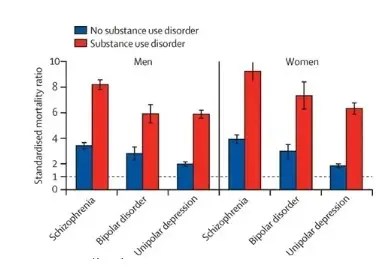
Image credit: The Lancet
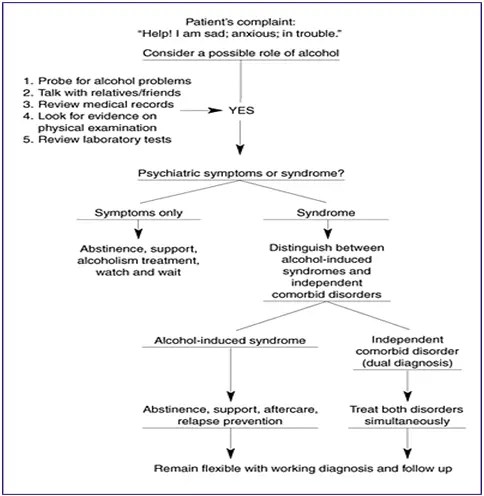
Image credit: National Institute of Alcohol Abuse and Alcoholism
3. Genetics
SLC6A4, TPH2, DRD4, SLC6A3, DAOA, DTNBP1, NRG1, DISC1 and BDNF are some of the genes that can contribute to the initiation and development of bipolar disorder. There are other genetic alignments that are being tested right now and the genetic involvements will be quite broader in the near future.
If someone already has an active gene or is predisposed to the condition, triggering factors will play a prominent role in the individual’s quick development of bipolar disorder. It is one of the potential causes of bipolar mood disorder.
If there is an imbalance in one of the neurotransmitters present in the brain, there are chances that a person might be predisposed to bipolar disorder.
Some of the famous neurotransmitters that, when out of balance, can cause bipolar disorder are noradrenaline, serotonin, and dopamine.
Symptoms of bipolar disorder
Every symptom described below is a normal human feeling, and since we are humans, we are bound to experience them regularly. But when we have these symptoms, it does not guarantee we have BP; only after careful observation can one term it as such. Most of the time, misdiagnosis and incorrect diagnosis occur because they are entirely dependent on a psychiatrist’s ability to judge correctly. There are several symptoms of bipolar disorder, and these include the following:
- Feeling of depression
- Maniac feeling
Patterns of depression and mania
Rapid cycling and mixed states are two ways in which it can work. This cyclical order applies to those who rapidly transition from a high to a low phase.
When depression and mania happen together, it also happens in people.
Social causes of bipolar disorder
There are many social reasons that serve as causes of bipolar mood disorder, and each of these causes can be a contributing factor serving as a risk factor for the disorder.
- Those who undergo trauma and adversities
Different types of physical, mental, and spiritual trauma and adversities can cause bipolar disorder in individuals.
- Several negative life events at the time of adulthood
Different life events can lead to bipolar disorder in adults. There is the LEDs assessment, and it guides one in their understanding of the disease.
- Social support is low for individuals
Social support is low in many cases, and people who turn lonely if they are not aligned rightly within themselves can face problems that are both mental and physical. Mental issues can lead to bipolar disorder or even schizophrenia in individuals with weaker mental states.
- Poor family functioning
Families often don’t support their own children in the right way. True care is often not possible if a child is not understood well within one’s family. It also serves as a contributing cause of bipolar mood disorder.
Treatment of bipolar disorder
Treatment of bipolar disorder is a vast topic, and there are medicines involved alongside proper examination and counseling. The treatment of the disease is not within the scope of this article.
Can extreme stress cause bipolar disorder?
Extreme stress can cause bipolar disorder and when a person experiences it, there are chances that they might develop the disorder. Even though it is completely not proven, yet, it is understandable that multiple forms of life stress can conveniently cause the disorder. However, even though initial studies have been done around the topic, it is still not an exhaustive action that is taken up to date to study all forms of stress and their collaborative effect on the disorder.
Conclusion
Bipolar disorder is a manageable disease, and celebrities as well as everyday people suffer from it. It is not very common, yet it is not uncommon enough to meet such individuals daily on the streets.
Thus, it is essential to understand that bipolar disorder is nothing that should weigh you down but something that needs to be addressed at the right time in the right way. If you ever come across anyone who lives with bipolar disorder, you need to not stigmatize such people but instead open your eyes and broaden your mind, for they are fit enough to be your friend.
Social structuring and stigmatization are potent causes of bipolar mood disorder patients’ not opening up. But if we keep them segregated, there is a chance they will destroy not just themselves but also others around them. Acceptance in the right way, with proper alignment training, can give them a chance to be back in society, as well as give you a chance to meet another wonderful human on life’s roads.
11 ways in which social media affects mental health

Off late, social media rules the world, and every single person is on social media. Buyers and sellers throng these places as they promise a lot of effective ways of mingling in ways one could never think of before. But, everything out there has pros and cons, and knowing how to deal with the cons is the biggest challenge mankind is ever facing. In this segment, we will primarily focus on how social media affects mental health.
Primarily since the data from Pew Research Center suggests that 45% of the entire 13- to 17-year-olds are found online. Almost 97% of them are using social media platforms like Instagram, Facebook, and Snapchat.
Few studies show social media and mental health facts that draw a firm connection between social media and mental health in youth negatively.
Highlighter:
Whichever country you are in, grab all social media related laws and know your rights well.
Social Media and Mental Health Facts
- In a 2019 study, almost more than 6,500 12- to 15-year-olds in the U.S. were found to be using social media for more than three hours a day.
- In the UK, studies of more than 12,000 youngsters show those teenagers between 13- to 16-year-olds used social media three times a day.
- In a retrospective review derived from analyzing studies done in the past, it was found that there was a close relationship between social media and the growth of anxiety and depression issues in young adults and youth.
- The high risk of psychosis in youngsters is indirectly indicated as a finding highlighted in a study done in 2018 while trying to analyze how socially one can benefit from having a social presence towards social healing.
Like it’s said before, it can be rewarding and debilitating equally if you ask how social media affects mental health. Before we move to the sad part of using social media, we will try to figure out what gains it can bring to an individual. The youth is the biggest group of buyers while sellers can be from any age category or group.
Social media and mental health in youth
Benefits of social media and mental health in youth include:
- You can find your community of like-minded people and that can go a long way to adding to your friend list.
- Businesses can find customers and each customer from social media can indulge positively with you is a major advantage of the feeling of mental well-being from being on social media.
- A lot of people can benefit from getting the right inspiration and the right word from people and works great between mental health and media
- You can also benefit positively by being able to voice your concerns even if you think it is ordinary and need not be heard.
- Keeping in touch with people who matter to you can mean a lot often.
But benefits apart, social media and mental health facts can also be debilitating as they can expose you to strangers who might not be intending right.
Negative Impacts of Social Media
Over the years, social media is accessed by different businesses and some of the businesses are not in sync with your needs. Most such businesses try to create a business out of you even if you don’t fit their bill or your needs don’t match theirs causing imminent harm to your plans. You can often get dragged into their mental manipulations and that can make your life worse than you can think of (social media and mental health in youth).
Prime way social media affects mental health
Digital addiction
The prime problem bound to creep up is known as digital addiction. Many of us cannot sit silently for a minute without our systems and our phones. Most of us are not making millions during this time nor are we setting up huge contacts but its making us feel important. In this way, once someone strips us of the phone, we start feeling unimportant, and that way it can harm us more than help us.
Social media affects mental health (Associated physical symptoms)
1. Insecurity increases
Feelings of insecurity are common in people handling too much social media within a day.
2. Negative emotions rise
Fear, sadness, worries; pain can be prominent features of social media that might add up.
3. Amnesia
Individuals can suffer from amnesia or even minor to major issues of sleeplessness. Sleep is an essential part of healing and if you are not able to sleep right, your body might soon be subject to some of the most vicious diseases. Thus, leading a healthy life involves at least 6-8 hours of sleep in total.
4. Higher risk of depression in social media users
: As per a recent study, the risk of depression in adolescents can increase by 13% for every hour that you use social media more.
Social media affects mental health (Rise of social concerns)
These below points can make or break a person if the person is not strong enough to ignore them. Strict societal measures can help. But it seems we cannot tackle ourselves leave alone our children.
1. Falling prey to unnecessary cyberbullying, spreading of lies about an individual
Many adolescents fall prey to the wrong that is spreading like wildfire along with the good that is getting harvested on social media (contributes majorly towards social media and mental health in youth).
Most adolescents can suffer through malpractices like bullying, the spreading of lies around an individual, and so on. We are aware of many cases where constant and repetitive harassment of individuals can lead to their loss of life even.
Thus, this is turning out to be one of the most potent disadvantages of social media use today and also a significant reason why social media is bad for mental health.
Cyberbullying is a crime and its strength lies in its anonymity. Every anonymous person can bully you without running the risk of being traced out. This factor alone has harmed people more than benefitted them.
Several cyber bullying sites are of immense benefit to all those who are trying to escape such brutal and unnecessary forces right now. You can always contact your cyberbullying unit to prevent it from being tracked in this manner.
2. Political misrepresentation
Another term that comes up when looking at the harms of social media. Free speech on social media can mean a lot of irrelevant issues being highlighted which means nothing to the public or the government except serving as the source of fuel to the fire.
3. Our regular physical interactions can decline
It can decrease your face-to-face interaction as you are confined more to social media. If you are most of the time not aware, you might find yourself sitting confined in a box where you interact with people you don’t know while leaving out on people you know can help you properly.
Social media affects mental health (Bigger issues)
Privacy loss means nefarious individuals can track you down. You could get into their radars which would mean increased problem for yourself. These people currently operate by destroying you as an individual. Care must be taken only on an individual level as that alone is possible to an extent right now.
1. Privacy becomes a concern
People can easily find out your home address, phone number, and even your email address, and this can be harmful contributing in a major way to social media and mental health in youth. If you wish to find out more about privacy, you must first understand what dangers you could have from being identified by people who may bring you more harm than good. Thus, regularly monitoring your details or placing wrong details can also put someone else in a risky situation. Thus, social media can be vicious for those who fall into networks that are not right for them, and so on.
2. Long-term relationships can get impacted by social media
Many relationships are broken when social media is being used as a medium of communication. Sending the right emojis and the right words can lead to the dubiousness of a situation people can wholly not comply with. Even best friends can fall apart due to a lack of real communication between them.
3. Belittles original ideas and skillsets
You can always be mimicked quickly and your ideas might not seem like your ideas often. Some people have a far greater reach than yours and they would be willing to use your ideas to create content that might sell well than yours. This state can make you sad, misunderstood, and shadowed and also a sense of dejection might creep in.
Solutions to social media and mental health
If you do not want to fall prey to the problems social media can introduce in your life, yet, want to use social media’s power, go ahead and find out some real-time solutions to social media and mental health.
- Limit the use of social media to one hour.
- If you are a small business or blog, use a free post-publishing application to automatically upload your posts. Several good ones are free to use.
- You must not browse through posts unnecessarily unless you are searching for something particular yet nonspecific enough. It is one of the best ways to use your attention as this will ensure you are not diverting your attention.
- Do not expect a lot from posts always and if you do so, you can know how social media affects mental health and how you can avoid it.
- Often when you are searching for something particular, you might find an answer around it on social media. Always do not fall prey to the solutions offered here. Try to find more about it on other good sites and do not ever think it’s a miracle that you have so easily found an answer. When you find an answer, it could be that your social media is closely following your searches.
More solutions to work on
- Do not consider all that you read and see on social media for truth. You can read everything that passes by you but what you believe should be a personal, close knit secret you keep close to you.
- If you want to understand more of what you can do, you must remember that it’s a virtual world and even though they speak about the real world, there’s always a sense of virtual illusion to all the ideas.
- Not everything written on social media is meant for you and not every idea on social media is God sent this is a real-time solution to social media and mental health.
- Remember it’s all about the algorithms and every algorithm is human-made.
- Do not ever think you are incapable even if the world shouts at you that you are. Understand you are an individual with your shortcomings and efficiencies. Learn to acknowledge them and be at peace with what you are becoming and what you want. In this way, you understand that social media has no impact on you if you do not care to listen to everyone except yourself and can understand how social media impacts mental health.
- Do not treat social media seriously as long as you can project your business well on it.
Conclusion
If you think, you are being trapped through social media, create an alert. Keep people informed on how you are being tracked and attacked. Form a clear thinking instead of getting nervous. Stop all contacts with the identified sources immediately. Save yourself when there is still time and read every article that tells you or makes you aware of how social media affects mental health.
Read more about our minds working here: Do we lose our mind as we age
 TheScientificTriangle
You must be logged in to post a comment.