TheScientificTriangle
What about the environment and science
18 Benefits of Regular Exercise

What are the benefits of regular exercise? Do you know that exercising is a good use of time? But what do you have to do as it benefits your health? This is something you must have heard so many times, but you are still determining what the benefits are. We have highlighted the benefits of exercise in this article. You should make an effort to exercise to reap the greatest benefits. You will feel better and presumably live longer, which will contribute to preventing or controlling many diseases.
We cannot separate ourselves from the environment—the very environment we are turning toxic with each passing day. Exercising is not going to help us as long as we don’t eat right, sleep right, and work right.
Nature and Mother Earth are in fine balance, and so is our body. A slight decrease in nutrients or a bit more work can disturb the body in every possible way.
Exercise can increase the endurance level of our body and also increase our immunity. Even though I write this, I have been challenged on these very fronts almost every day. Every time I exercise, my immunity dips lower than normal, and my endurance level seems to reduce.
When I ask experts about what happens, they say we need to keep going. Even though initially we might face such hurdles, over time, things would start getting back to normal and we would start enjoying the benefits of regular exercise.
As I try to believe it and move ahead, I realize it’s important for me to jot down all that needs to be known about the benefits of regular exercise.
What type of exercise must generally be done by all?
The secret to excellent health is exercise!
Here, we outline each exercise type’s key components and provide examples for you to attempt.
1. Aerobic activity
Aerobic exercise is necessary for many physiological functions, including heart and respiratory rates. It strengthens your stamina and works your heart and lungs. It lowers blood sugar levels and relaxes blood vessel walls. You need more aerobic exercise if you’re too worn out to climb a flight of stairs. Your heart and lungs will benefit from this, and it will also guarantee that your muscles get enough blood to operate properly. Take swimming lessons, step aerobics, dancing, jogging, riding, or brisk strolling.
2. Strength training
With strength exercise, we gain back the muscle mass we lose as we age. In addition to making you stronger, it enhances balance and posture, encourages bone development, builds muscle, helps people control their weight, and lowers blood sugar.
Exercises involving a weight, a band, or a weight machine and exercises involving body weight, such as push-ups, lunges, and squats, will be covered.
3. Stretching
The joints remain pliable when stretched the right way. We frequently ignore our muscles in our youth when they are in better condition. However, as we get older, our muscles and ligaments lose their flexibility. Muscles get smaller and less powerful with age. Daily tasks like bending over to knot your shoes become more difficult, and the risk of muscle cramps, soreness, damage, strains, joint discomfort, and falls increases.
4. Balance exercise
If you improve your balance, you’ll feel more secure on your feet and trip less frequently. As we age, the systems that keep us balanced—our eyesight, inner ear, leg muscles, and joints—tend to worsen. You can halt and end these losses by balancing your finances.
Benefits of cardio exercises
Cardio exercises can build up your circulatory system which includes not just your heart but also your venous and atrial system in the body. As the blood gorges through your body at an increased speed, you will enjoy on the following fronts. Several benefits of regular cardio exercises include;
1. Improves your mood
Aerobic exercise has been shown to reduce feelings of sadness, ease tension brought on by worry, and promote relaxation. Your mental health and sense of worth may improve. Additionally, it can improve slumber.
2. Age with a good quality of life
Keeping your muscles strong through aerobic exercise may help you retain mobility. Older adults who exercise can lower their chance of falling and sustaining injuries from falls. It may also improve your quality of life.
3. Strengthens your circulatory system
A heart that beats more slowly needs less energy. A stronger heart can circulate blood more efficiently, improving blood flow to your body’s organs. People at higher altitudes have a lower heart rate. Those with a lower heart rate have exercised over the years and benefit from a more stable circulatory system.
4. Reducing disease probabilities is a possibility
Regular aerobic exercise can reduce the possibility of disease occurrences. But only exercising is not enough; a healthy diet and a standard healthy lifestyle are also a must.
Among these diseases are high blood pressure, stroke, obesity, heart disease, type 2 diabetes, and particular types of cancer. Osteoporosis risk is lowered by weight-bearing cardiovascular exercises and walking.
5. Managing chronic conditions
Aerobic exercise can reduce blood pressure and control blood sugar. For people with arthritis, it might reduce pain and improve mobility. It can improve the quality of life and physical fitness of cancer patients. You can help yourself manage your coronary artery disease by engaging in aerobic activity.
6. Defends you against viral illnesses
Aerobic exercise helps to activate your immune system favorably. Due to these activities, you might become less susceptible to viral infections like the flu and the common cold.
7. Improve your endurance, fitness, and strength
You might initially feel exhausted when you start aerobic exercise. But over time, you’ll develop more stamina and have less fatigue. You can gradually increase your heart and lung fitness and bone and muscle power.
Health benefits of yoga and healing exercises
1. Yoga is the key to a healing world
Yoga can train your body to react or respond in a certain way to a certain situation. With yoga in action, there are many who are healing from their past traumatic experiences. The more complex this environment is becoming, the more people are falling back to forming individual systems. Yoga is providing exactly this passage to humanity.
2. Yoga is good for the heart
Yoga is good for many parts of the body. With the right yoga practices, one’s body can heal and return to a version they would want for themselves. Cardiac balance and hepatic balance, along with its ability to create an indispensable immune system and breathing pattern, create a fine network.
3. It calms you down so you can sleep easier
Most people suffering from anxiety return to yoga in the evening when they cannot fall asleep. Some exercises can help people fall asleep. Even patients suffering from insomnia or sleep apnea have benefitted positively from yoga, according to experts.
4. It helps control stress and encourages greater self-care
We live in a stressful world in an uncertain environment. Today might be smooth, but tomorrow is never a guarantee. Under such circumstances, not everything is even in our hands. What can one do in such circumstances? How do they save themselves? Yoga provides a passage and a way for such people.
5. Yoga may result in happier emotions and increased vigor
Dopamine rises and adrenaline reduces in the blood with yoga. If you wish to proceed forward with your happier emotions, then it is advisable to follow the path of yoga.
6. It enhances balance, strength, flexibility, and assists with back discomfort
It is a single go-to place, and if you wish to understand it better, you need to practice yoga. Yogic exercises and deeds can pull a person out of major health issues and mental health problems, as has often been witnessed.
Other benefits of different kinds of exercises
1. Boost one’s cerebral clarity and memory
Every form of exercise is capable of boosting one’s mental clarity and enhancing memory distinctively. You can merely walk and improve your mental clarity and memory balance.
2. It can prevent chronic diseases
Regular physiotherapy and other different forms of exercise contribute towards healing chronic diseases. However, these exercises are only assisted therapy modules, and none guarantee complete recovery without appropriate treatment schemes.
3. It aids in weight maintenance
If you are overweight or underweight, maintaining your weight is possible through the practice of different forms of exercise. Choosing one form and regularly practicing it is capable of maintaining and improving your weight-related issues comfortably.
4. Bones can be strengthened
If you want to have strong bones, practicing a form of exercise regularly can immensely benefit the bearer.
5. Reduce the signs of depression and worry
Depression and worry can also lead to a lot of health problems. If we want to stay out of it, we need to find a way that works. Taking your mind off these tensions and worries can reduce the adrenaline rush and the sad hormones in our body through exercise. In this way, we can reduce the symptomatic presentations of depression and anxiety.
6. Combat cancer-related fatigue
Cancer-related side effects can often subside with exercise. However, it is also a lot of rest, healthy living, and food.
Conclusion: What are the Benefits of Regular Exercise
It’s important to protect your joints, muscles, and bones because they support your body and allow mobility, vigor and strength. Thus, you must know the benefits of regular exercise. Exercises that maintain strong bones, joints, and muscles make it simpler to complete everyday tasks and partake in bodily activity.
Participate into understanding the benefits of regular exercise by reading this article. Add on your comments if you have a fresh outlook.
Late pregnancy complications
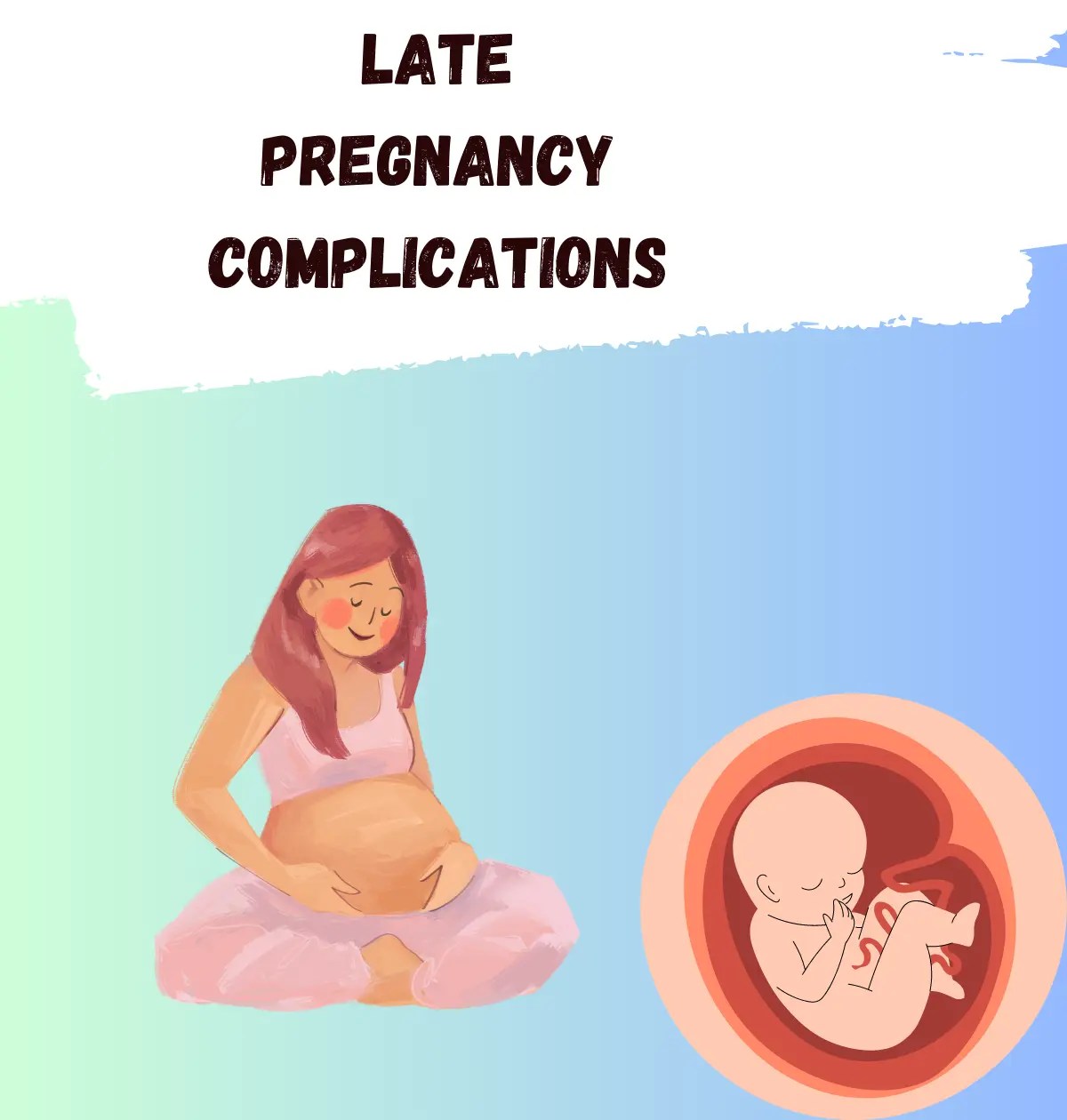
Are you experiencing late pregnancy complication, but you are not sure if it is so? Then read this article as it would discuss late pregnancy complications, the age for late pregnancy, symptoms, and treatment.
When a woman is pregnant, it has to be one of the most fragile times of her life when she needs to see the doctor at any slight inconvenience. In the later stages of pregnancy, some conditions necessitate immediate medical care. Whatever the problem, you and your child must be closely monitored throughout your pregnancy.
When you are older, you experience various symptoms that shouldn’t be overlooked. Your body is forced to go to limits you probably never thought possible. It might make you imagine all the signs resulting from late pregnancy complications.
What age is called late for pregnancy?
When the birth parent is 35 years old or older, there is a higher risk for pregnancy problems. Higher miscarriage rates, genetic disorders, and specific pregnancy problems like high blood pressure or gestational diabetes are a few of these complications.
Pregnancy in women of advanced maternal age is handled similarly to a normal pregnancy. Your healthcare practitioner might advise prenatal testing and closely monitor you. When you’re over 35, your chance for complications rises, making it even more crucial to be aware of your prenatal symptoms and maintain good health.
Despite these dangers, women can become pregnant and give birth to healthy children after age 35.
What is the general late pregnancy complication in women?
Statistically, there are higher risk factors from age 35, and the risks increase as you age. But try not to let this worry you, as most pregnancies will be healthy.
Older moms appear to be more susceptible to complications during pregnancy and delivery. There is a high chance of developing diabetes, high blood pressure, birth difficulties, and placental issues. Try not to stress too much, though. Even though older mothers tend to experience some problems more frequently, this does not guarantee that you will also experience them.
The unborn child and mother are less likely to experience complications in the first week following the due date if they are both doing well. Even after that, there isn’t much more chance that something will go wrong with the infant. But some dangers do marginally rise, especially for older parents. The primary complications are:
- Premature birth. When your child is delivered before 37 weeks of your pregnancy, it is considered premature. Compared to babies delivered on time, premature babies are more inclined to experience health issues at delivery and later.
- Low weight at delivery. This occurs when your child weighs below five pounds, eight ounces at birth.
- Expecting multiples (twins, triplets, or more). Age-related hormone changes can cause this to occur independently, and some fertility medications increase the likelihood of becoming pregnant with multiples. Multiple pregnancies can increase your risk of premature birth, preeclampsia, gestational diabetes, and baby development issues.
- Abnormalities during pregnancy, such as Down syndrome. They may affect a person’s general health, how their body functions, or how their body grows. An infant with a birth defect is likelier to be born to an older woman than a younger one.
- The necessity of a c-section (also called cesarean birth). A c-section carries risks like infection and anesthesia reaction, just like any other type of operation. The likelihood of experiencing pregnancy problems that necessitate a c-section increases with age.
- Miscarriage. This occurs when an infant dies in the womb before 20 weeks of pregnancy.
- Stillbirth. After twenty weeks of pregnancy, this occurs when an infant passes away in the womb.
Symptoms of these pregnancy complications
- Bleeding
During your pregnancy, bleeding has various meanings. Suppose you are heavily bleeding and experiencing intense abdominal discomfort, menstrual-like cramps, or feeling like you might pass out during the first trimester. In that case, it might be an indication of an ectopic pregnancy.
Heavy bleeding accompanied by cramping may indicate a loss in the first or first part of the second trimester. The placenta parts from the uterine lining during placental abruption, which is why bleeding and abdominal discomfort during the third trimester of pregnancy may be an indication.
- Prolonged Nausea and Vomiting
When you’re pregnant, nausea is a very frequent side effect. That could be more dangerous if it worsens.
- Baby’s Activity Level Decreases Noticeably
What does it imply if your baby seems less energetic than when they were previously active? It might be normal. But how would you know?
As soon as you can, contact your physician. Your doctor has tracking tools that can be used to check on the baby’s development and movement.
- Contractions early in the third trimester may indicate premature labor.
Braxton-Hicks contractions are referred to as false labor pains. They don’t build in volume and are erratic and nonrhythmic. Regular contractions happen every 10 minutes or less and get stronger over time.
- You may experience a persistent severe headache, abdominal pain, visual disturbances, and swelling in your third trimester.
These signs may indicate preeclampsia. That is a severe condition that can be fatal and develops during pregnancy. High blood pressure levels and excessive amounts of protein in your urine are the main symptoms of this condition, which usually show up following the twentieth week of pregnancy.
- Flu Symptoms
Pregnant women are more likely to contract the flu and experience severe complications during flu season, our experts advise pregnant women to get the flu vaccine.
- Anemia
Anemia is characterized by having fewer healthy red blood cells than is typical. Anemia patients may experience fatigue and weakness. Because your body requires more iron during pregnancy, you are more likely to develop iron-deficiency anemia. Throughout your pregnancy, your doctor will assess your red blood cell count.
- Anxiety
Disorders of anxiety are prevalent before, during, and after pregnancy. You may battle uncontrollable feelings of nervousness, anxiety, worry, fear, and panic if you have an anxiety condition. These emotions may be strong and linger for a while. Additionally, they may obstruct everyday activities like work or school and relationships.
Treatment of the late pregnancy complications
Attend additional doctor’s visits. Do not skip routine doctor appointments if you have a chronic health issue like diabetes or high blood pressure. Before becoming expectant, take care of your health and the well-being of both your unborn child.
Consume a nutritious, balanced meal. You can consume all the required nutrients by eating various foods. At least four portions of dairy products and other calcium-rich foods should be consumed daily.
Regularly moving around. Thanks to it, you’ll maintain a healthy pregnancy weight, maintain strength, and experience less tension. Make sure your doctor reviews your fitness regimen. However, the doctor can assist you in determining whether you need to reduce or alter your regimen.
Give up consuming alcohol and smoking. Like all other pregnant women, you should refrain from drinking booze and smoking while pregnant. Alcohol increases your baby’s chance of both physical and behavioral defects. Smoking raises your risk of having a baby with a low weight at birth, which is more prevalent in older women. Preeclampsia can also be avoided by quitting smoking.
Conclusion
Physical and mental conditions that impact the health of the pregnant individual, their baby, or both are examples of late pregnancy complications. Complication-causing physical and psychological problems can develop before, during, or after pregnancy. To reduce the chance of pregnancy complications, anyone who is pregnant must receive medical attention before, during, and after pregnancy.
Does Cough and Cold Affect Early Pregnancy?

As a pregnant woman, there can be many worries when you notice changes in your body. You worry about yourself and your child’s well-being at that moment. Have you developed cough and cold, and are you worried it will affect your pregnancy?
Although catching a cold while pregnant won’t damage the fetus, it can still be uncomfortable for the expectant mother, and she might worry about which treatments and medications are safe to use.
Because of hormonal changes, coughing is common and can happen anytime during pregnancy. Due to these changes, a woman may become slightly more vulnerable to allergies or more susceptible to respiratory viruses. Since coughing is not a hazardous symptom and the baby is not directly affected, it has no adverse effects on the unborn child.
However, problems such as pneumonia, bronchitis, or asthma, can harm the unborn child. Without consulting a doctor, some teas or over-the-counter remedies can make you cough and possibly damage your unborn child.
Every time a pregnant woman has a persistent cough or notices symptoms of a respiratory infection, she should see a doctor so that any medication therapy can be carefully monitored.
What kind of cough and cold affect early pregnancy?
Most of the time, at the slightest inconvenience, we pick up our phones to surf the internet about the likely cause and cure. One might see different reasons from different sites, which can scare anyone especially pregnant women. Not all coughs and colds harm the health of the mother or the unborn child.
However, if you’re coughing up mucus that is either green or yellow or you have a cough that is accompanied by chest discomfort or wheezing, it might be good to see a doctor. Your nasal pains are intense and symptoms persist more than 10 to 14 days, your cold may have become a secondary illness. Contact your doctor immediately to treat the infection as a safe antibiotic might be needed.
When should you consult a doctor if you have a cold during early pregnancy?

If you have a cough and cold, you’ll probably have a lot of aches and pains, a sore throat, and even a high temperature. You might pamper yourself by resting more and avoiding coughs and colds because you don’t need to visit a doctor. However, seeing a doctor will sometimes expedite your recovery and help you avoid serious consequences. Even though most colds don’t harm a fetus, you should treat the cough and cold more carefully.
Congenital disabilities and premature delivery are made more likely by cough and cold problems. If your symptoms are keeping you from eating or sleeping, or if they persist for more than a few days without getting better, it’s important to contact your doctor. See a doctor if you experience a temperature of 102 degrees or higher is also crucial.
Immediately seek medical attention if you encounter any of the following signs:
- Feeling dizzy
- Muscle chills
- Breathing issues
- Chest pressure or discomfort
- If you have a very chronic health condition like asthma
- Confusion
- Difficulty in breathing
- Sore throat
- Severe vomiting
- Vaginal bleeding, and
- A low temperature that is not relieved by acetaminophen.
Dangerous cough and cold-related complications like pneumonia or bronchitis are more common in some individuals. If this is you, you should consult a doctor as soon as you notice the symptoms:
- You have a persistent illness (such as asthma, diabetes, or heart disease)
- You suffer from a weakened defense system.
- You are expecting in up to two weeks.
- You work in a nursing home.
You should also see the doctor if:
- You don’t get better within two weeks,
- Your fever improves, then abruptly worsens,
- Your cough isn’t going, or your cough starts producing thick mucus,
- Pain is confined to a single region. (including your chest, ear, or sinuses)
In most cases, the virus is over in a week. However, if you begin to feel better before quickly relapsing and your temperature returns, this may indicate a flu complication. Infections of the lungs or sinuses are the most common side effects of the virus. (pneumonia).
The CDC advises administering antiviral medicines right away to pregnant women exhibiting cough and cold-like symptoms. Call your doctor’s office if you have concerns or are unsure whether your symptoms warrant consideration.
Can a bad cough lead to early miscarriage?
While viruses like the cold and cough can make you feel uneasy (especially if you’re pregnant and some medications are off-limits), they aren’t likely to result in miscarriage.
The chance of miscarriage associated with having a fever enhances (a temperature greater than 100 degrees Fahrenheit) during pregnancy. Your doctor might counsel you to take Tylenol (acetaminophen) to keep your fever under control.
Can coughing damage the placenta?
Although intense coughing doesn’t displace the placenta or cause uterine contractions, it can be highly unpleasant and hurt the abdominal muscles when it occurs repeatedly. Therefore, getting medical help and getting rest is always best if you are wheezing.
Home remedies to try but discuss with your doctor first?
You can take many medications while pregnant, and treating a cold or a virus during pregnancy doesn’t have to be a difficult experience.
When you become ill, you should:
- Get lots of sleep.
- Take in a lot of liquids.
- Take warm salt water if you have a sore tongue or a cough.
You might want to attempt the following if your symptoms get worse:
- Saline nasal drops and mists to reduce nasal tissue inflammation and loosen nasal mucus
- To relieve congestion, breathe warm, humid air, use a face steamer, hot-mist vaporizer, or a hot shower.
- Chicken broth can reduce swelling and clear congestion.
- Mix honey or lemon with a warm cup of decaffeinated tea to soothe a sore tongue.
- Cold and hot compresses to relieve sinus discomfort.
Conclusion
Cough and cold affect early pregnancy only if it involves some complications. You can always contact your doctor’s office to find out if they think you should come in if you get the flu shots.
Wear a facemask if you have one if you want to go to the doctor. To stop the virus from infecting others, wash your hands and conceal your coughs and sneezes.
Medical professionals generally advise against taking medicines for the first 12 weeks of pregnancy. Discuss with a doctor what is safe and what is not.
Images: istockphoto
Also Read: How to Protect Yourself from Asthma
Staple Diet Alternatives for a More Economic Living

Independent Project Funded by ICT Project ICAR. These results would also be a part of IACR journal in due time.
The contributors:
Diksha Gupta (Certified Dietician),
Sunita Singh (Ex Principal scientist-Microbiology) and
Satyapriya (Division of Agricultural Extension, Indian Agricultural Research Institute)
QS: Most of the countries at war or suffering from famine and drought need to understand their staple diets better. Why? Since our staple foods comprise more than half of the amount we spend on food, being judicious is of utmost importance, and to be so, you will need to understand how to find out…
It was a bright sunny morning in a nondescript location in India where a group of Banjara women were happily picking dry sticks and shoots from a mango orchard. They seemed happy, and among the shades of the trees, as they hop skipped and jumped from one spot to another, their tinkling laughter was not something one could miss. They were happy as their mothers were waiting, back in the caravan for them to return. Using those twigs, they would create a fire and prepare some kadi chawal (vegetables and rice) and also some chapattis (freshly baked bread) to have with a spicy, thick vegetable curry. But their laughter does not mean they were unaffected by the COVID pandemic.
When I asked them what they would like to have cheaply in the market, they smiled and giggled for a while before one said they would love to have wheat and rice at a lesser price. Due to their present role as construction workers, they were on the move constantly. They also did not have the BPL card, which helps poor people get rations at a subsidized rate.
With COVID, low-income groups lost a lot of business, and regular work became distant.
But this is just not the scene here. In fact, it is a story you can find in every corner of the world.
In Venezuela, a young family with two toddlers to handle waits for her husband to return from the market. The mother wishes she could get the staples a bit cheaper.
So is it with the women of Nigeria, who would love to get the staple crops at a lesser price?
Even our Chinese and many European counterparts, including Koreans, would want to get the staples at a far reduced rate than what they get now.
People from countries at war demand the same kind of expectations from their governments and from the world.
From this brief survey, we understood that most people all around the globe are looking for a staple food more often than others, and all are primarily worried about staple food prices here.
But before we move on, we need to understand the term “staples” better.
For those who know, you can continue with the next passages, but for those who don’t, let us start by understanding more about the term “staple diet.”
According to the National Geographic Society, “staple diet is any food that is consumed by the majority of the population in a given geographic region”. It refers to any particular food habit that supplements a population’s energy and nutritional needs. Maize, rice, wheat, millets, quinoa, etc. are some of the popular food staples all across the world. Cereals usually make up the largest part of our meals, and we rely heavily on them for carbohydrates, aka our direct source of energy. Also, they come cheaper than other foods available in the market and can fill our stomachs better than other food varieties.
Carbohydrates are always the first food choice for those who work hard and stay out in the open. Those who remain indoors yet work hard also choose easily digestible carbohydrates as their number one food choice. Most people buy sacks of rice and wheat and stock them at home whenever an emergency arises.
It is also a known fact that when any manmade or natural disaster or catastrophe hits food supplies and food accessibility, then feeding the affected poses a major challenge for the governments and NGOs (non-governmental organizations). With the current global population standing at 8 billion, while India’s population is alone at 1.4 billion, the stress of feeding all mouths is ever on the rise. So, here we are today with some suggestions on staple diet alternatives that could help you and your family survive difficult times.
But before we move onto that part, we would also like to focus a bit on the obvious reasons that lead to such scarcity or a rise in prices. Though obvious, they remain oblivious to human consciousness and do not tap our mind’s door until they stand as living entities behind those closed doors. Hence, knowing them will refresh our memories on what can pose a challenge for human survival.
Scientifically, how significant can the changes in staple diets be on human health?
Human health is a fragile concept, and when it comes to it, you can only be unsure of what can work well and what will not. There is, however, one thing that we all know works well not only for our palates but also for our bodies, and that is the rotation of food items.
Undeniably, our world is limited, and so are our food items. We can make a thousand and ten recipes for lady’s fingers and five thousand recipes for potatoes. But we cannot create a new vegetable, nor can we have a new vegetable each day here on this planet.
Thus, rotating your staple diet can help a lot in procuring different nutritional requirements straight from food instead of having to depend on external nutritional sources. If you take only one kind of cereal or eat only one staple crop, you will end up replenishing your body with the same nutritional chart, and thus, you’d have missed out on a lot of other nutrients.
Even if there is no war or famine, you must always rotate your dietary chart so that you include what is available out there. Grow out of your routine rice, pasta, bun, and bread or noodle diet and pick something different for the whole family.
This is how you can balance your body’s nutritional requirements and also create a different taste every day. Like I said before, if one product does not have certain nutrients, you can always get them from other sources. This way, altering your food chart can bring you freshness and make your life fuller, healthier, and happier.
During war or famine, if you have already tasted a food item;
- You’ll be more than ready to adapt to a certain food item.
- Regular use of a staple for a few months that is more readily available around you can decrease your monetary load and increase your chances of survival.
In short, you can be better prepared for the world that will come your way rather than depending on limited resources.
If you wonder why your grocery bill is so much higher than your neighbors’, think again! Are you buying the most economically built products?
Do you realize you might be using a food item more highly priced in the market but nutritionally inferior to a cheaper variety of food available?
If this is the case, you will surely spend more. The food we eat most is known as our staple diet. It is also the item on which we spend the most. Most homes state they can omit meat for a month when prices go high, and some can even leave onions when their prices rise, resorting to the greener alternative of the onion. But all homes agree that they cannot do without a staple crop.
Thus, when you are investing the most in one kind of food, why don’t you invest more time in it?
Every month, study the market carefully. Check the prices of each item and then design your grocery list around the most nutritious and the least expensive items.
Also, do keep an eye on the most nutritious items available; if you pay a bit more to procure them, you will still fare better.
Now is the time to learn how best to rotate your staple diet as the market is reeling under the impacts of war, floods, earthquakes, and disease.
How can staple diet changes help minimize your cost of living?
Definitely, if you can procure an item you consume most at a cheaper price; your monthly grocery bill will drastically reduce.
You will end up having more money for fruits, baked goods, or whatever your family loves having.
If a family switches from rice, for example, to wheat for a month, where the rice brand they consumed was available at Rs. 55 per kilogram and the wheat is priced at Rs. 26 per kilogram, and if you need 5 kg of wheat for a week, they would end up spending less on it compared to what they spend on rice.
Similarly, there are certain food products whose prices are high in the market because their demand is low, but when their demand rises, the prices automatically reduce given other factors remain constant. By carefully balancing your staple diet, you can thus create a tiny saving, which you can use to push for the purchase of other items.
The various factors that impact staple food consumption worldwide
There are various reasons why staple food consumption worldwide is affected so heavily by even the slightest of reasons. Most of these factors are not unknown to us, given that we take shape and form in this world. As we grow up, we understand that, just like our human body, staple food poses a critical and vulnerable aspect that is hard and difficult to tackle as a whole.
The next section talks about the numerous factors that impact a population’s food consumption. These factors are economic recession, financial emergencies faced by certain countries, wars, natural calamities, and pandemics.
Not much elaboration is needed on this aspect, and yet, we cannot negate their existence, so we bring to you problems that are essential to mention.
High inflation rates
Every market is undergoing some or other form of inflation. If you think about it simply, it is nothing more than the growing disparity in currency rates. If an Indian can get half a liter of milk for Rs. 26/-, a Nigerian would get the same amount of milk for more than 600 Naira. This way, our GDP is
Global economic recession
According to IMF managing director Kristalina Georgieva, a third of the world economy is likely to be affected by recession in 20231. Amid mass layoffs by global tech giants, the ability to feed our families becomes the most gruelling factor.
According to a report by the World Bank2, the global economy is expected to grow by only 1.7% in 2023. The other key takeaways from the report are as follows:
- While developed economies will grow by only 0.5%, developing economies are projected to decelerate to 2.7% in 2023, except for China.
- The US economy is expected to grow by 0.5% this year alone.
- Meanwhile, the European economy will be subjected to stagflation.
- Even though the Chinese economy is projected to grow by 4.3%, it is still 0.9% behind previous years.

Which countries account for majority of the population living below the poverty line?
Poverty refers to an economic condition that is characterized by a person’s or family’s lack of money and basic necessities. People living below the poverty line are most impacted by the rise in the cost of food consumables.
According to an article published by the World Bank3 in 2019, half of the world’s 736 million extremely poor people live in just five countries:
| Country | Percent population living below national poverty line (World Bank) | Percent population living below national poverty line (CIA) |
| Bangladesh | 24.3% (2016) | 24.3% (2016) |
| Democratic Republic of Congo | 63.9% (2012) | 63.0% (2014) |
| Ethiopia | 23.5% (2015) | 23.5% (2015) |
| India | 11.9% (2011) | 11.9% (2020) |
| Nigeria | 40.1% (2018) | 40.1% (2018) |
In another report published by the World Bank4 on December 8, 2022, about 648 million people survive on less than US $2.15 per day, which is also regarded as the current international poverty line (IPL). However, for lower middle-income countries, the poverty line is US $3.65, and for upper middle-income countries, the poverty line is US $6.85.
The 2022 Poverty and Shared Prosperity report5 also revealed that about 47% of the global population lived below the US $6.85 poverty line.
· Current countries facing financial crisis?
According to a Reuters report6, Lebanon, Sri Lanka, Russia, Zambia, and Suriname have already defaulted with the IMF, while Belarus is on the brink of facing an economic crisis.
Other countries that are witnessing a surge in their borrowing costs and debts are:
- Argentina, with more than $150 billion
- Ecuador, with a debt of $40 billion,
- Egypt, with $45 billion
- Ukraine would also need to realign their existing $20 billion or more of debt.
- Further Tunisia has a 10% budget deficit.
- Ghana’s debt-to-GDP ratio rose to 85% last year.
- Meanwhile, Egypt has a 95% debt-to-GDP ratio.
- Kenya makes interest payments of 30% annually from its revenues.
Other nations that are also dealing with high inflation and economic upheavals are Ethiopia, El Salvador, Pakistan, Ecuador, and Nigeria.
· Countries at war?
Larger parts of the world, including Europe, North America, and South America, use wheat as their staple food. As Russia and Ukraine broke into war last year, prices of wheat began surging, as both countries are large contributors of it to the world market. Russia’s relations with the West were strained as a result of the war. Wars also impacts the supply chain drastically.
Similarly, ongoing civil conflicts and terrorist insurgencies in Syria, Yemen, Myanmar, Burkina Faso, the DR Congo, Ethiopia, Mali, Nigeria, Somalia, Sudan and South Sudan, Iraq, and Afghanistan deeply impact food supply and food prices.
· Natural calamities and pandemics
The very recent earthquakes in Syria and Turkey and the 2020 COVID-19 pandemic are two events that have made it evident that food supply becomes a major issue during such crisis periods. This consequently impacts the prices and availability of food grains for the masses.
If the world can see an improvement in these factors, there may be a way to stop the rise of prices of staples, our primary carbohydrate and energy supplier.
Judging from our staple diet perspective, we will try to run a brief idea around the type of food that consumes more of a person’s pocket in the next segment.
What kind of foods is currently taking more of a person’s earning?
As a part of Europe broke into war last year, food prices began surging all over the world. The surge in price of wheat particularly raised everyone’s concern as majority of the world population; especially the western countries depend heavily on wheat as their everyday staple. Other foods that got costlier are:
- Poultry and eggs – The price of all chicken, both frozen and fresh, increased by 6–7%. Since last year, not only the price of chicken but also the cost of eggs has surged. According to the USDA, inflation and avian influenza are two prime causes behind limiting the number of eggs supplied and consequently influencing their price.
- Dairy products – Dairy prices are skyrocketing, and demand and supply problems seem to be the culprits.
- Fresh and processed fruits – The USDA predicted last year that all kinds of fresh and processed fruits would witness a surge in price of up to 6%.
- Oils and fats – A rise in manufacturing costs, along with other factors, has contributed to the significant price rise of cooking oils and consumable fatty products.
- Sugars and sweets – All kinds of sugars, sweets, cereals, and juices also witnessed a 3 – 4% rise in price.
- Cereals – Cereals in general are always a bit expensive and consume more of a person’s daily expenses. This is largely regulated by supply and demand. They also rely heavily on advertising and marketing. Also, the prices of these kinds of branded foods are not regulated by the government, and tight competition in the market tends to skyrocket the price. Another factor that impacts the prices of cereals is climate change. Climate change is impacting crop production. According to research, if global warming is not contained by 2030, then the cost of cereals will jump by 20%.
Can any cheaper food variety replace these foods?
According to a report published at ourworldindata.org7, researchers found that across the world, a calorie-sufficient, nutritious diet costs about $3.54 per day, which about three billion people in the world cannot afford. So, here is how people can cope with the rising prices of food.
- Eat cheaper food varieties more
Vegetables are cheaper in many countries, and some people grow them right in their farms and backyards; if that is the case, switching to vegetables with less use of staple grains like rice and wheat if they are more heavily priced than the vegetables makes sense.
- Switch to a staple crop abundantly available in the market
Even if we don’t eat rice and wheat, it is not much of an issue, as long as we can find some crop that is equally or even more nutritious than wheat and rice.
- Switch to local, cheaper variants of your family’s staple crops
Local ones are cheaper than the ones that come through the elaborate process. If you know of farms nearby or have your own, try procuring your consumables from there instead of procuring them from the market.
- Switch to locally produced brands
Local brands can also have quality. If you can verify the quality of a particular local brand by visiting their unit or talking to them, you can also switch to a local brand that might be way cheaper than the standard brands available in the market.
- Start growing daily use food items and use that money to purchase staple diet crops
You can grow your own food too, and you don’t require acres of land for it. A spare room is all you might need, along with a handful of racks. A few vegetables and fresh fruits can be easily grown in your home. That way, you eat the freshest and highest-quality variety of that particular food and also get to save a good amount of money.
- Eat the raw versions of the produce instead of consuming the refined versions
Eating brown rice can save a lot of money compared to the variety sorted in the mill. Buying wheat or ragi whole from the market and then making wheat out of it can save you a lot of money you end up spending on your staple. You might need to wash and dry these crops, but if you have a bit of manpower, you will surely save more on it.
How beneficial can these cheaper foods be for public health and why?
Current research is aimed at producing food varieties that target a certain metric, which can be extremely beneficial for the health of individuals.
These food sources have been discussed and extensively researched by a bright group of researchers. The contributors: Diksha Gupta (Certified Dietician), Sunita Singh (Ex-Principal Scientist-Microbiology), and Satyapriya (Division of Agricultural Extension, Indian Agricultural Research Institute) acknowledge funding from ICT Project ICAR, and these results would also be a part of the IACR journal. When you check the Nutridense Food Variety health metrics that they targeted, you will see they have a few bullet points around certain health parameters they wish to obtain in the population with them.
With each crop variety, the targeted nutritional profile and benefits are discussed below.
· Oats (Avena sativa L.)
Oats are not cheap in the market, especially if it is not a locally made product, but what is striking about oats is that they are quite nutritious, and even one bowl of oats can serve a lot of needs in a human.
| Fat | 6.91 % |
| Protein | 13.65 % |
| Carbohydrates | 55.75 % |
| Fibers | 16.5 % |
| Energy | 607 kcal/100g |
| Calcium | 60.13 mg/100g |
| Iron | 9.23 mg/100g |
| Thiamine | 1.2 mg/100g |
| Riboflavin | 0.2 mg/100g |
| Magnesium | 115 mg/100g |
| Niacin | 1.5 mg/100g |
| Phosphorus | 474.06 mg/100g |
| Potassium | 337 mg/100g |
| Folic acid | 87.4 µg/100g |
Traditionally, oats are not consumed by all, but since they have health benefits, one cannot ignore them. The average price of one kilo of oats in the Indian market is more than one kilo of wheat flour.
But since oats can be eaten in a lot of different ways, they might serve the purpose better in times of crisis than wheat can. Starting from plain oatmeal with milk to making fresh baked bread from it, there is a lot more that can be done with one kilo of oats than with one kilo of wheat. Thus, oats can be used as a replacement under these circumstances.
- If you do not have access to wheat in the market, you can try oats as a healthy replacement. Both have the ability to prevent a large number of diseases and also avail themselves of different nutrients to fulfil individual requirements.
- When you have enough money to buy a replacement food other than wheat, replacing a few meals with oats can save you from monotony and influence your energy and nutrient values immensely.
- Lowers cholesterol (soluble fibres), blood glucose, and also improves constipation efficiently. If you suffer from either of these two conditions, oats can be a safe replacement for wheat, as a gluten-free diet is considered a lot healthier.
- Avenanthramides (antioxidants) work as anti-inflammatory and anti-itching products and can play a huge role in preventing coronary heart disease, colon cancer, and skin irritation conditions.
- They support celiac diseases by being gluten-free and also work wonders for overweight Type II diabetes patients.
· Wheat (Triticum aestivum L)
Nevertheless, our country consumes a heavy amount of wheat every year, and the annual production is quite enough for our population. Wheat also comes cheap, and people expect it could be better if it came cheaper.
Wheat can replace any other staple in our country comfortably, except in a few places that may complain about not having enough rice. But, in times of crisis, the Indian masses can get along with wheat. What you can find in wheat to supplement your body’s needs is highlighted below.
| Fat | 1.5 g/100g |
| Protein | 11.8 g/100g |
| Carbohydrates | 71.2 g/100g |
| Fibers | 1.2 g/100g |
| Energy | 346 kcal/100g |
| Calcium | 41 mg/100g |
| Iron | 28-32 ppm |
| Thiamine | 0.45 mg/100g |
| Riboflavin | 0.17 mg/100g |
| Niacin | 5.5 mg/100g |
| Phosphorus | 306 mg/100g |
| Potassium | 337 mg/100g |
| Folic acid | 36.6 µg/100g |
| Beta carotene | 64 µg/100g |
| Zinc | 30-32 ppm |
Local wheat produce can bring down your price-related issues, as you might find varieties that go well with your dietary requirements and also suit your pocket.
- High fiber content will benefit your health when you replace it with the wheat fibres.
- If you know folic acid present in wheat can prevent neural tube defects in newborn babies,
- Folic acid can also protect one from the impacts of Alzheimer’s disease by providing a protective advantage to the neurons, thereby preserving learning and memory easily.
- People who use wheat as a staple can get a lot of antioxidants, minerals, and vitamins from it.
The varieties in India that have recently been used for better produce include;
| Karan Narendra (DBW 222) from UP | It leads to a high produce | Best in the UP region |
| Shriya wheat variety | It is resistant to wheat blast, leaf rust, and Karnal blunt. It offers lot of nutritional gain compared to many other types of wheat. | Grows best in Uttar Pradesh |
| Karan Vandana (DBW 187) | It can give the highest yield | It can grow in Jharkhand, and the North Eastern plains. This wheat is known for its high protein content (12%) |
| CBW 38 Sonalika | It is also known for its high yield | It is best in areas on the eastern side of the country |
- It is a lot of hard work to find out which wheat is in your flour, but on average, any local producer will be able to tell you what the wheat is good for.
- Mostly, choosing to eat what can improve your health will solve a lot of your health issues.
- It is mostly a trial-and-error process where people who are facing a staple food crisis get a chance to explore their own food varieties that grow within their country.
- Wheat is the staple diet of many nations, and thus we have tried to explain what grows in our country and how it can help our people in times of trouble. Lessening dependence on exported goods can help improve the survival of people within the country.
- These wheat varieties are sold in the local market and then to brands.
- During a crisis, you can directly pick simple local wheat and save your pennies on the amount you spend. You can also ensure that you do not have to change the meal type or the cereal.
· Barley (Hordeum vulgare L.)
There were famines and disasters earlier in Bengal when people just drank barley soup to survive through the famine. Barley was made cheap and was available to people in those times. Even now, barley is available in the market. Below, we know what you can gain from a bowl of hot barley soup. Nutritionally, a bit higher than wheat, its price is impacted more by its demand curve that is certainly less than wheat. With increase in its demand, the prices are sure to go down.
| Fat | 1.3 g/100g |
| Protein | 11.5 g/100g |
| Carbohydrates | 69.6 g/100g |
| Fibers | 3.9 g/100g |
| Energy | 336 kcal/100g |
| Calcium | 26 mg/100g |
| Iron | 1.7 mg/100g |
| Thiamine | 0.47 mg/100g |
| Riboflavin | 0.20 mg/100g |
| Niacin | 5.4 mg/100g |
| Phosphorus | 215 mg/100g |
There are the following advantages that you need to know about barley. Ordinarily, barley in the Indian market comes in at Rs. 36 per kg.
Even though the price is slightly higher for branded barley, you can get it a little cheaper if you procure the locally made barley. After cleaning and processing, you will get a lot of fair quality barley that you can use to make any number of dishes.
When wheat and rice are difficult to obtain, barley could be a valuable staple diet to switch to.
The health benefits of barley are also different and way more powerful than those of wheat. Below, we mention the general health benefits of barley.
- It is a dietary fiber in the form of beta glucan and is way different from wheat.
- It has tocopherols and tocotrienols that serve as natural antioxidants.
- Beta glucan can reduce cholesterol and also keep blood glucose under control.
- For diabetics, barley can also work on the glycemic index metre, which will help maintain your blood sugar level.
- Losing weight and improving digestion are other aspects that can greatly benefit from switching to barley.
· Maize (Zea mays)
Maize is another alternative that is used by many as a staple even today. Everyone knows how a developed nation like America produces and exports a huge amount of maize, which they call corn.
Maize can make life easier for people, as worldwide maize production is huge. You won’t lose much if you switch to maize, as observed by the nutritional chart for maize.
| Fat | 3.6 g/100g |
| Protein | 11.1 g/100g |
| Carbohydrates | 66.2 g/100g |
| Fibers | 2.7 g/100g |
| Energy | 342 kcal/100g |
| Calcium | 10 mg/100g |
| Iron | 2.3 mg/100g |
| Thiamine | 0.42 mg/100g |
| Riboflavin | 0.10 mg/100g |
| Niacin | 1.8 mg/100g |
| Phosphorus | 348 mg/100g |
| Folic acid | 20 µg/100g |
| Provitamin-A | 1.0- 2.0 ppm |
| Lysine | 1.5-2.0% of protein |
| Tryptophan | 0.3-0.4% of protein |
United States produced 360,252 thousand tons of maize in 2020 alone and the production volume of corn in 2022/2023 is 348.75 million metric tons.
Usually, the quality of maize guides its value and you can get a kilogram of maize for about ₹ 24 / kg.
The nutrient diary of maize is as wonderful as any other staple diet. If you want to have a look at what you can get, you will need to look at the following points.
- If you want to look at eye health, you can trust that maize is a good source of carotenoids, plus it offers antioxidant properties. Lens damage from cataracts can also be prevented using maize.
- As a source of complex carbohydrate, it entails a slow digestion rate that can ensure you remain energetic for a long time as energy production continues for a longer span.
- Corn is a rich source of zeaxanthin, folic acid, and pantothenic acid, which prevent birth defects in neonates.
- Thiamine and pantothenic acid help with the metabolism of carbohydrates and the different physiological functions of the body.
- Typically, a gluten-free diet is what you can have through maize, unlike wheat.
- It is an improver of gut health and a preventer of heart disease and Type II diabetes, though it is not a medical alternative, but it can help an individual live healthy.
Try maize as an alternative staple in times of war or dearth.
· Rice (Oryza sativa L.)
They say when nothing works, rice does.
If you have rice during war, you will not go hungry.
Developing nations like Bangladesh and Myanmar have populations that feed on rice three or even four times a day. So every meal of theirs revolves around rice, and rice is what makes them survive.
Out of the total population of 8 billion people, more than 3.5 billion consume rice alone as their staple diet. Particularly, Asia, Latin America, and larger parts of Africa have such arrangements.
But the magic of rice does not lie with polished rice rather with its brown variety. Thiamine is present in rice bran and can be as high as 3.03 mg as found in Indonesian varieties compared to polished rice which has it but the content is low enough to add to one’s health and wellbeing.
The nutritional chart of rice is as awesome as any other staple diet variety but it differs from one rice variety to another.
| Fat | 0.5 g/100g |
| Protein | 6.8 g/100g |
| Carbohydrates | 78.2 g/100g |
| Fibers | 0.2 g/100g |
| Energy | 345 kcal/100g |
| Calcium | 14 mg/100g |
| Iron | 0.7 mg/100g |
| Thiamine | 0.06 mg/100g |
| Riboflavin | 0.06 mg/100g |
| Niacin | 1.9 mg/100g |
| Phosphorus | 160 mg/100g |
| Potassium | 5 mg/100g |
Many people worry about what they would do if they woke up one day and realized they couldn’t find the right kind of dietary source within reach.
There can be millions of causes that can lead to the loss of availability of a particular staple diet in a certain region or locality. If you want to know what would happen if someday you had to switch to eating rice because none of the other staple foods were available, you need to look at its health benefits here.
- A gluten-free diet is a necessity for many nowadays, given that many are turning out to be allergic to a gluten rich diet. Also, people suffering from constipation and hard stool issues suffer a lot from daily high levels of gluten consumption.
- Brown rice, when consumed regularly over time, can contribute to a lower rate of diabetes, lower cholesterol, and lower risks of heart disease and cancer.
- Obesity is something people won’t complain about if they regularly feed on rice.
- The brown rice variety can add to the health of the nerves and improve the overall performance and functions of the nervous system.
· Sorghum (Sorghum bicolor L.)
Sorghum is consumed in many parts of the world by the lower economic groups and also by many developing nations as part of their daily diet.
| Fat | 1.9 g/100g |
| Protein | 10.4 g/100g |
| Carbohydrates | 72.8 g/100g |
| Fibers | 1.6 g/100g |
| Energy | 349 kcal/100g |
| Calcium | 25 mg/100g |
| Iron | 4.1 mg/100g |
| Thiamine | 0.37 mg/100g |
| Riboflavin | 0.13 mg/100g |
| Niacin | 3.1 mg/100g |
| Phosphorus | 222 mg/100g |
| Folic acid | 20.0 µg/100g |
| β-carotene | 47 µg/100g |
| Magnesium | 165 mg |
| Sodium | 6 mg |
| Zinc | 1.7 mg |
| Copper | 0.284 mg |
| Selenium | 12.2 mg |
If you are alternating your diet with a meal of sorghum, you should know that you won’t lose much weight and that you can still feed your family something nutritious even when there is a scarcity of normal food items.
Here are the nutritional benefits of consuming sorghum;
- It is a gluten-free diet, so unlike wheat, it serves you better.
- The antioxidant content of sorghum is high, and it can reduce the risk of metabolic disorders significantly. Type II diabetes mellitus and heart diseases reduce significantly with daily consumption of sorghum.
- You can use it to create noodles or make malted food with its help. A variety of different dishes can be made out of it.
- It is an amazing source of fat-soluble vitamins and can help maintain the vital activities of your body.
Sorghum is quite costly and is primarily demand induced. The demand for sorghum is quite low when compared to wheat and rice.
A kilogram of sorghum will cost close to a hundred rupees. Availability is also a factor that drives hundred rupees. Availability is also a factor that drives demand, and during hard times, if you can lay your hands on an ample source of sorghum, you will benefit.
· Millets
There are several varieties of millet.
Finger millet, pearl millet, proso, little, kodo, or barnyard millet are some of the different kinds.
All sorts of millets are a cheap source of a nutritious meal.
| Nutritional Value | Finger Millet | Pearl Millet | Proso Millet | Little Millet | Barnyard Millet | Kodo Millet |
| Fat | 1.3 g/100g | 5.0 g/100g | 1.1 g/100g | 4.7 g/100g | 2.2 g/100g | 1.4 g/100g |
| Protein | 7.3 g/100g | 11.6 g/100g | 12.5 g/100g | 7.7 g/100g | 6.2 g/100g | 8.3 g/100g |
| Carbohydrates | 72.0 g/100g | 67.5 g/100g | 70.4 g/100g | 67.0 g/100g | 65.5 g/100g | 65.9 g/100g |
| Fibers | 3.6 g/100g | 1.2 g/100g | 2.2 g/100g | 7.6 g/100g | 9.8 g/100g | 9.0 g/100g |
| Energy | 328 kcal/100g | 361 kcal/100g | 341 kcal/100g | 341 kcal/100g | 307 kcal/100g | 309 kcal/100g |
| Calcium | 200 mg/100g | 42 mg/100g | 14 mg/100g | 17 mg/100g | 20 mg/100g | 27 mg/100g |
| Iron | 25 ppm | 45.0-50.0 ppm | 0.8 mg/100g | 25 ppm | 5.0 mg/100g | 0.5 mg/100g |
| Thiamine | 0.42 mg/100g | 0.33 mg/100g | 0.30 mg/100g | 0.33 mg/100g | 0.33 mg/100g | |
| Riboflavin | 0.19 mg/100g | 0.25 mg/100g | 0.09 mg/100g | 0.10 mg/100g | 0.09 mg/100g | |
| Niacin | 1.1 mg/100g | 2.3 mg/100g | 3.2 mg/100g | 4.2 mg/100g | 2.0 mg/100g | |
| Phosphorus | 283 mg/100g | 296 mg/100g | 206 mg/100g | 220 mg/100g | 280 mg/100g | 188 mg/100g |
| Folic acid | 18.3 µg/100g | 45.5 µg/100g | 9.0 µg/100g | 23.1 µg/100g | ||
| β-carotene | 42 µg/100g | 132 µg/100g | ||||
| Magnesium | ||||||
| Sodium | ||||||
| Zinc | 16 ppm | 30.0-35.0 ppm | 20 ppm | |||
| Copper | ||||||
| Selenium | ||||||
| Potassium | 5 mg/100g |
Values taken from the ICT Project ICAR documentation
The largest producer of these millets is India. Together with jowar, India contributes more than 19% of the millet production in the world.
Nutritionally, millets contribute hugely to the country’s economy and health.
Ragi, or finger millet, is the cheapest among all and is available at a price range almost equal to the wheat prices. However, the other millets might not come cheap, as their consumption is lower and production requires more effort.
Ragi is consumed hugely in different parts of South India and is one of the most prominently used food products in Karnataka, where it is used almost daily in many homes. Their favourites are Ragi balls, and there are a lot of other Ragi recipes that come in handy with the population. The climate is apt for a bowl of hot Ragi soup, and the constant demand is helpful in keeping the price down.
If in trouble, the black specked brown finger millets can be a very good nutritional option.
Conclusion
The current population of India is already around 1.7 billion, and feeding such a huge economy is an everyday challenge. Keeping everything within your budget is a struggle every family faces on an individual level. Hereby, in this article, we determine the health benefits of different staple diets available all across the world and also suggest ways of saving a lot every month by closely monitoring the health needs of your family, choosing the right staple crop, and also by understanding the growing dearth the world is facing at such times.
- https://www.theguardian.com/business/2023/jan/02/third-of-world-economy-to-hit-recession-in-2023-imf-head-warns
- https://www.reuters.com/markets/world-bank-warns-global-economy-could-easily-tip-into-recession-2023-2023-01-10/
- https://blogs.worldbank.org/opendata/half-world-s-poor-live-just-5-countries
- https://blogs.worldbank.org/developmenttalk/half-global-population-lives-less-us685-person-day
- https://openknowledge.worldbank.org/bitstream/handle/10986/37739/9781464818936.pdf
- https://www.reuters.com/markets/europe/big-default-dozen-countries-danger-zone-2022-07-15/
- https://ourworldindata.org/diet-affordability
Environmental Effects of Pollution on Our Climate – Summer or Winter, Which is Better?

You might be wondering if the environment has a way of contributing to polluting the climate. Well, this brings us to the question: what are the environmental effects of pollution on our climate?
In this article, you will learn the effect of environmental pollution on the climate and how beneficial winter or summer is.
As we all know, there is no way human beings can be separated from the environment. This means that what happens in the environment must be due to natural or human activities. Several human factors, such as pollution from industries, smoke and gases from automobiles, exhaust from pipes, burning of coal, burning of fossil fuels, deforestation, fumes produced from factories, pesticides used on weeds, etc., would contribute to climate pollution. These harmful materials released into the environment are consequently linked with increased carbon footprint and climate change.
Volcanic eruption, ocean variations, plate tectonic movements, thermohaline circulations, solar variations, etc., are natural causes of climate change.
Below we have explained what you need to know about the environmental effect on climate and weather conditions.
What are the environmental effects of pollution on our climate?
Various environmental issues impact the climate and cause the climate to change in terms of weather conditions. It’s difficult to say whether the summer or winter has worse air pollution. While some pollutants are most active in cold weather, others are usually more harmful on warm days. In the same way, air temperature affects airflow.
On the other hand, when it’s cold outside, pollutants like vehicle exhaust fumes are easier to see. It does not necessarily follow that there are more pollutants, though. It’s essential to note that while wood burning and car exhaust fumes usually increase in the winter, industrial emissions are constant throughout the year.
The global temperature has been increasing, this has had impacts on various climate-related factors. Water availability is shifting due to climate change, becoming more scarce. It also increases the dangers of ecological and agricultural droughts, harming crops and making ecosystems more vulnerable.
Also, ocean depths have experienced a significant rise due to global warming and glacier melting over the past 20 years. The ocean warms up, and so does its volume. Other climate change-related effects are hunger, species loss, poverty, health risks, loss of habitable land, etc.
What impacts our winters today?

You might be interested in knowing the factors that impact our winter. Here it is. Our winter today is impacted by climate change. One of the predicted impacts of climate change is that there is usually more snowfall at the time when there are snowstorms. This is because a warmer planet is releasing more water into the atmosphere. This can result in floods. However, when our world is tilted away from the sun, temperatures drop during the winter, and we may experience severe winter storms rather than downpours.
How are summers different now?

Warmer global temperatures are closely correlated with the changing seasons. Due to these environmental shifts, many trees and spring wildflowers bloom sooner than usual. Winters are, therefore, shorter. Summer lasts longer. A study that was released in the Geophysical Research Letters journal indicated that the three different seasons are getting shorter, and the summers are getting hotter.
Health benefits of summer
Below are some of the health benefits of summer you need to know.
1. You get access to fresh fruits and vegetables.
One of the health benefits of summer you should know is that you get fresh vegetables and fruit. You might think you can get fresh fruit even on a normal day, but the fruits or vegetables are extra fresh in summer. The warmth and sunlight encourage development. Consequently, summer is the perfect time of the year to readily increase your intake of fresh fruits and vegetables.
2. Vitamin D
One of the most crucial vitamins, vitamin D, is what you get during summer. It is a crucial vitamin for many physiological processes contributing to optimum health. Vitamin D serves purposes such as boosting your immune system. It is very important for metabolism, cancer prevention, mental health, and bone health.
3. You get to sweat more.
Sweating can be a bit yucky sometimes; it’s understandable. During summer, we tend to sweat well, which is good because most of us don’t exercise or don’t exercise enough to sweat all year. We regularly obstruct our pores with antiperspirants that have chemicals. Despite sweating being an essential part of good detoxification for the best health, we hardly move around enough for perspiration purposes.
4. Outdoor activity
During summer, the warmth we feel makes us want to go outside. We, therefore, engage in a variety of physical activities. We can go jogging or swimming, go on bike trips, do outdoor yoga, play soccer, and more. During this time, you can engage in many activities to increase your daily activity level.
5. You can walk barefoot.
This might sound weird somehow to many of us, but it is essential for good health. When it is warmer outside, we have the chance to go barefoot. It is one of the ways to feel healthy, and there are two main health advantages, whether on a beach or in your backyard. The first advantage is a reflexology massage, and the other is you can get a grounding effect.
Health benefits of winter
1. It boosts your brain activity.
We might have noticed that we can think clearly when cold. According to research, individuals work more effectively in environments that are cooler than those that are warmer.
2. You get to burn calories.
Your body works harder to keep your core temperature when it is cold outside. When we’re outside in the weather, our bodies expend a lot of energy to keep us warm and humidify the air we breathe.
3. Low risk of diseases
You might have a higher chance of getting a cold, but you’re immune to many illnesses and infections more common in warmer climates.
4. You can fight infections.
You might catch a cold in the winter, but you are better prepared to activate your immune system and successfully combat the infection. According to studies, exposure to the cold can help stimulate the human immune system, strengthening a person’s infection resistance.
5. You get healthy skin.
Because cold temperatures constrict the blood vessels in the epidermis, they may be beneficial for skin health. Since you typically create less oil and sebum in the winter, you might experience fewer breakouts.
Environmental effects of pollution on our climate – summer or winter, which is better?
Winter
Winter is undoubtedly one of the best seasons of the year because of all the lovely holidays, the cozy weather, and seasonal sports.
It is simple to enjoy outdoor activities without worrying about wasp stings, mosquito bites, or other irritations during the winter because most insects migrate or hibernate. Also, the cold weather simplifies playing and competing without getting too hot.
Unfortunately, some individuals experience Seasonal Affective Disorder (SAD) because of the reduced sunlight during the winter. But according to Medical News Today, taking vitamin D supplements, controlling your diet, and keeping active can help you fight SAD.
Summer
According to studies, people are more active and less sedentary during summer than winter. Positive emotions, relaxation, and even memory are all improved by sunshine and higher temperatures. Shining Sun benefits include production of Vitamin D and norepinephrine. Sweating benefits the immune system, endorphin production, and cleansing.
Physically, cold conditions are not advantageous. In lower temperatures, populations continually face greater health risks and higher mortality rates, with excessive cold frequently being the primary cause of weather-related deaths. Cold environments are linked to increased cardiovascular mortality, exacerbated respiratory issues, and increased chance of rheumatoid arthritis.
Conclusion
We have explained above all you need to know about the environmental effects of pollution on our climate. We are sure you now know how environmental factors caused by natural phenomena and human activities can impact the climate resulting in climate change and ultimately having an effect on the weather condition, specifically the winter and summer.
Images: istockphoto
Also Read: 10 Best Books On Climate Change – Fiction & Non-Fiction

Snehashree
Snehashree is a content creator by profession and storyteller, poet, and abstract artist by passion. She has published her works of poetry on Amazon and several online magazines.
How to Protect Yourself from Asthma
Are you looking for ways to protect yourself from asthma? For some people, asthma is a minor issue that has just come to disrupt their activities. For others, when they have asthma, they may experience serious issues that hinder their everyday activities, and any slight mistake could result in a potentially fatal asthma attack.
If you have asthma, your airways may narrow, swell, and create extra mucus. This may make respiration challenging and cause coughing, wheezing when you exhale, and shortness of breath. Even though asthma doesn’t have a cure, its effects can be controlled.
Know the condition to protect yourself from asthma

Both children and adults can suffer from the chronic disease asthma due to muscular tightening and inflammation around the small airways. The airways in the lungs become more restricted due to this illness. Various signs can come with this illness. These signs could include shortness of breath, wheezing, coughing, and tightness in the chest. These feelings come and go and are frequently worse at night or when exercising.
Asthma symptoms can deteriorate due to additional frequent triggers. Dust, fumes, smoke, grass, temperature changes, floral pollen, and animal fur are just a few of the many triggers that can affect a person.
People with untreated or under-treated asthma may experience sleep disturbances, daytime fatigue, and difficulty concentrating. If an asthmatic person’s symptoms are severe, they might need emergency care immediately. They might also need to be admitted to the hospital for observation and therapy. Asthma can be deadly in its most severe manifestations.
What are the current environmental triggers of asthma?

Numerous environmental variables can cause or aggravate asthma. Because of this, you have to avoid environmental allergens and irritants. It is one of the main objectives of effective asthma management.
1. Allergens
● Pollen
Exacerbations of asthma may result from pollen exposure. Pollen must be both allergenic and present in large amounts for clinical significance.
● Mold
Mold can develop in a house due to excessive moisture, water leakage, or floods. Anything damp and mold growing on it should be thrown away or cleaned with a home cleaner.
● Animals
If a person has a pet and can’t get rid of it, don’t let the animal sleep in the person’s bedroom if they have asthma.
● Dust mites
Cover cushions, mattresses, and box springs with allergen-resistant materials, and regularly wash carpets and sheets in hot water. Do not use down-filled pillows, quilts, or comforters, and get rid of any stuffed creatures and clutter from the bedroom. Do not use wall-to-wall flooring.
● Insects such as cockroaches
Asthma in children may also be made more likely by cockroach toxins. Clear the surfaces of any food crumbs, fix leaks, caulk, or fill cupboard and wall holes. Roaches can be eliminated by pest control firms using Integrated Pest Management (IPM) methods.
2. Air Pollution
- The fumes inhaled in traffic
- Exhaust from diesel
- Secondhand smoke
- Exhumes from wood-burning, stoves, and fireplaces
- Weather
- Inhaling cold air
- Humidity
- Exposure to weather changes
What environmental changes are impacting the occurrence of breathing disorders?

1. Air Quality
Numerous significant studies have linked air quality to negative impacts on health. In addition to indoor pollution, there is outdoor pollution from industrial emissions, wildfires, and car exhaust. Pollution from the outside can infiltrate a structure. Gas stoves, cigarette smoke, and fireplaces are a few sources of indoor pollutants in the house.
There are different types of air pollution, and it can exist anywhere. Airborne contaminants can damage your health and lower air quality, like chemicals in smoke or exhaust. These contaminants have been linked to lung conditions like lung cancer, asthma, emphysema, and chronic obstructive pulmonary disease (COPD).
2. Climate Change
Temperature and precipitation variations may exacerbate health hazards associated with poor air quality, such as respiratory and cardiopulmonary conditions. A changing climate is also predicted to increase the prevalence and severity of allergic illnesses like asthma and hay fever. Increased hospitalization and deaths from cardiopulmonary illness may result from wildfires, hurricanes, and floods that are more intense.
3. Tobacco Smoke
According to WHO, smoking cigarettes is the primary cause of lung cancer globally, the top cause of cancer-related death. According to research, even a few daily smokes can harm your lungs over time. Another risk factor for respiratory illness is breathing in secondhand smoke.
4. Electronic Cigarettes
The American Thoracic Society states that vaping, another name for using electronic cigarettes, can cause respiratory damage. These devices produce complex aerosols with various ingredients in variable concentrations.
Researches supported by NIEHS discovered that inhaling nicotine-containing aerosols from electronic cigarettes could raise lung cell death and weaken the immune system’s white blood cells, which are crucial for maintaining a healthy respiratory system.
5. Wildfires
Smoke from wildfires can lower lung function significantly and raise the risk of respiratory illnesses. That can last for up to two years. The likelihood of respiratory illnesses from exposure to smoke may rise due to more frequent and intense wildfires brought on by climate change.
6. Mold
While most molds are benign, some create substances that can cause allergic reactions or asthma attacks. Studies show mold exposure can worsen asthma symptoms, particularly in small children.
How can you safeguard from asthma-trigger factors?

1. Identify Asthma Triggers
Specific asthma causes can trigger an asthmatic symptom cascade. These consist of the following:
Air pollution
Smoke
Fragrances
Allergies
Cold air
Exercise
Sinusitis
2. Steer clear of allergens
It’s crucial to avoid allergens (things you’re sensitive to) if you suffer from allergies and asthma. Exposure to allergens can temporarily worsen the inflammation in your lungs, increasing the likelihood of an attack.
3. Avoid All Forms of Smoke
Asthma and smoking don’t combine well. Reduce exposure to smoke from cigarettes, incense, candles, fires, and pyrotechnics. Avoid going to public locations where there is a lot of smoking, and don’t allow it in your house or car. If you smoke, get the assistance that would make you to stop. Asthma is always aggravated by smoking.
4. Avoid colds
Try your best to remain healthy. Stay away from individuals who are contagious because doing so will worsen your asthma symptoms. Hands should be thoroughly washed before handling anything that someone with a respiratory infection may have handled.
5. Adhere to Your Asthma Action Plan
Take your medications even if you feel good. Keep a small nebulizer handy. Check your plan for directions on what medications to take if you start to experience symptoms. The strategy can advise you on the best medications to take during an attack and when to contact your doctor.
6. Take asthma medications exactly as directed
Medications for chronic asthma are designed to halt attacks and symptoms. You must take them daily, even if you have no symptoms. They will lessen airway irritation and keep your asthma under control, lowering the likelihood of flare-ups. If side effects worry you, talk to your doctor about switching to a different therapy.
Can you prevent or protect yourself from asthma?
There is no known cure for asthma, but medication can help you control the symptoms, leading to a normal, active existence. Inhalers, tools that let you breathe in medication, are the main type of treatment. You might also require medications and other therapies if you have severe asthma. You can breathe more easily, stay as active as you like, sleep soundly, avoid hospitalization, and be free from coughing and wheezing when your asthma is under control.
Did you understand how to protect yourself from asthma?
According to some medical professionals, there are numerous forms of asthma, each with its causes, dangers, and cures. Changes to your routine, surroundings, and medication will help you manage your symptoms and protect yourself from asthma.
Images: istockphoto
References: NEIHS
Also Read: Dietary Management of Asthma Patients

Snehashree
Snehashree is a content creator by profession and storyteller, poet, and abstract artist by passion. She has published her works of poetry on Amazon and several online magazines.
Straighten Up! How Better Posture Can Lead to a Healthier, Happier Life

From the moment we wake up to the moment we go to bed, most of us are slouched over in some way. We hunch over our phones, we slouch in our chairs, and we even sit with our legs crossed. All of this poor posture can lead to back pain, neck pain, and a whole host of other health issues. But it’s not just about feeling pain; good posture is linked with increased confidence, greater height, and improved breathing. The list goes on and on. If you’re looking to make a difference in your posture, start straightening up today with these helpful tips, courtesy of The Scientific Triangle.
Exercise is key for better posture
One of the best ways to improve your posture is by strengthening the muscles in your back and core. This will help you better support your spine and avoid slouching. Many different kinds of exercise can help achieve this, but some are better than others. Yoga, for example, is an excellent way to improve your posture. Not only does it focus on strengthening the back and core muscles, but it also helps improve flexibility. This is important because tight muscles are often a contributing factor to bad posture. Swimming is another great option because it targets all of the major muscle groups while also providing low-impact cardio.
How firm is your mattress?
You may not realize it, but the type of mattress you sleep on can also impact your posture. If your mattress is too soft, it won’t provide the necessary support for your spine and hips, which can lead to lower back pain and poor posture during the day. A firmer mattress is a better option because it will help keep your spine aligned even as you move around during the night. Combine a firm mattress with a supportive pillow — one that keeps your head level with your shoulders — and you’ll be well on your way to better posture (and a good night’s sleep).
Standing up straight may increase your height
We’ve all been told to stand up straight since we were little kids. It turns out there may be some truth to Mom’s nagging after all. Studies have shown that poor posture can actually cause you to appear shorter than you really are because it causes your spine to compress. While you may covet the height of your favorite celebrity, you can still aim higher and add a few inches (literally) by improving your posture. Even just standing up straight when you’re walking or sitting down can make a big difference over time.
Is pain preventing good posture? See a Chiropractor
Chiropractors are trained to provide spinal manipulation and other treatments that can help relieve pain and improve your posture. While chiropractic care is generally safe, it’s always important to consult with your doctor before making an appointment. With that said, here are a few signs that it might be time to book a consultation with a chiropractor:
- You’ve been dealing with chronic back pain, which means it has affected you for more than a couple of weeks.
- The pain is severe or is preventing you from carrying out your normal activities.
- You’ve tried over-the-counter medications and other home remedies but nothing seems to be working.
- You have a history of back problems or injuries.
Stay on top of your records
If you suffer from back problems, it’s important to keep your medical records organized. A great way to have quick access is to use a PDF document converter like Adobe that you can store on your smartphone. Having all of this information in one place will make it easier for you to keep track of your treatment and progress. It will also be helpful if you need to see a new doctor or specialist.
Take steps to see big results
Even making small improvements can lead to big results when it comes to improving your posture. By exercising regularly, sleeping on a firm mattress, standing up straight, and visiting a chiropractor when needed, you can help improve your posture and live a healthier life! Trust us: your body will thank you for it. And don’t forget to keep good records in case you need to seek help from a new doctor or specialist.
The Scientific Triangle is working to present information from the world of sciences, outer space and our very own Nature in a way that adds to our collective understanding. If you have any questions, please email thescientifictriangle@gmail.com.

Julia Mitchell
Always on the clock. Side hustler. Loves an â80s-inspired power suit
Julia knew from a young age she wanted to have a career that made her excited to wake up every day. Now in a top-level position with a financial services firm, sheâs got her dream job alongside multiple side-income entrepreneurial ventures.
Science Facts Everyone Should Know To Daily Life


The world is evolving, and as the day goes by, there are many amazing facts to unravel. Are you inspired to learn the science facts related to daily life? This article compiles some fantastic scientific facts to update your knowledge.
Science is the basis of human development, and life without it is an existence without technological processes and a halt to knowledge generation.
At every point in life, science has brought nothing but ease. We can keep up with new inventions and trends and explore new mediums. It is a medium of knowledge we can’t help but keep exploring till the end of our lives. Read below for some exciting science facts related to daily life.
Facts about our environment

One of the best gifts that nature has given us is our environment. There are many things about the environment that you don’t know, and learning more about it and how to interact with it is one of the best ways to appreciate the unique features we can see in it. So, the following are some environmental facts you might need to know and keep close as part of your evolution through science facts related to daily life;
- You can recycle papers from trees six times.
We get papers from trees, right! The papers from trees can also be recycled six times; after which the fibres might be too weak to generate something else. You can learn more here about how paper is recycled.
- Twenty-seven thousand trees are cut down daily to make toilet paper.
There are more than 3.04 trillion trees on the planet. But 27,000 of them are cut down every day to make toilet paper. This amounts to roughly 9.8 million trees a year.
- Marine mammals risk choking on plastic in 78% of cases.
The risk of accidental death, such as getting caught in fishing nets, affects 78% of marine mammals. Every year, more than 1,000,000 marine animals are killed by plastic bags and other trash in the ocean.
- Plastic doesn’t degrade.
Plastic is eternal. It doesn’t degrade biologically and return to nature. Throughout its entire life cycle, it continuously pollutes the environment as it photo-degrades into smaller pieces of itself.
- Ants weigh more than people do.
The total weight of all humans on the planet is less than the total weight of all ants. There are over 7 billion people on the planet, as well as 100 trillion ants. These are my favourite science facts related to daily life
Facts about our space

Our space is amazing, as you must have heard. How can you be sure if you know nothing about it? Read the fun facts about our space as well as the facts about astronomy and learn them as part of the scientific facts related to daily life.
- Is Earth the only planet with liquid water?
The idea that Earth is the only planet in our solar system with liquid water persisted for a long time. The most substantial proof to date that there is sporadic running water on Mars was recently released by NASA.
- The tallest mountain is on the asteroid called Vesta.
On an asteroid called Vesta, stands the tallest mountain. It is three times as tall as Mount Everest at 22 km!
- The space is silent.
There is no air in space neither is there atmosphere. It is difficult for sound waves to travel because there is a vacuum. That means no one can hear you in outer space, even if you shout loudly!
- It will take 100 million years for footprints on the Moon to disappear.
The moon is devoid of water, air, or atmosphere. Nothing would sweep away the surface or wash the footprints away. So, for millions of years, the footprints of the Apollo astronauts, along with those of the spacecraft, the rover, and the debris, will remain there.
- The solar system has been in existence for 4.5 billion years.
Our universe can be found in the Milky Way galaxy’s outer spiral arm. The sun, stars, and everything bound to them via the gravitational force, including the planets, moons, asteroids, comets, and meteoroids, are all included in them. Numerous astronomical facts and information suggest that a dense cloud of interstellar gas and dust is where our solar system originated. A solar nebula, or swirling disk of material, was created when the cloud collapsed, possibly due to a supernova of a nearby exploding star.
- Venus has a maximum temperature of 880 degrees Fahrenheit (471 degrees Celsius).
As facts stand, Mercury is closer to the sun, but Venus is the hottest planet.
Scientific truths about our body

Different scientific wonders surround the world, but science doesn’t have to do with our environment or space alone. There are some scientific facts related to daily life that revolve around our bodies. Read on to learn them.
- At birth, children have 300 bones; by adulthood, they have 206.
About 300 bones are present at birth, but some join together as children grow and when they become adults they have 206 bones.
- Femur is the largest bone in the human body.
The femur, referred to as the thigh bone, is the largest bone in the human body. The stirrup bone, found inside your eardrum, is the tiniest.
- Human beings are good runners.
Although we are not the world’s largest, fastest, or strongest animals, humans are the best at one activity: long-distance running. Humans are good runners as a result of their long legs, upright posture, and capacity to perspire off heat. Primates used a method to hunt called “chase and kill” to pursue their prey for extended periods until the animals eventually passed out from exhaustion.
- Human bones are stronger than steel.
Bones are stronger than steel. A bone just the size of a matchbox can support up to 18,000 pounds.
- Water constitutes a large proportion of the human body.
Water makes up 60% of an adult human’s body. The brain and heart comprise 73% water, while the lungs contain about 83% water; Water makes up 64% of the skin, 79% of the muscles and kidneys, and 31% of the bones.
Science Facts Related to Daily Life as ET facts

- Moonlings
After Galileo’s new telescope made it possible for us to view the heavens up close in the early 17th century, our fascination with extraterrestrial life soared. The name “maria,” Latin for “seas,” was given to dark areas on the moon that were thought to be enormous bodies of water. Could they be as alive as our oceans? We know lunar maria are dark basalt planes from long-ago volcanic eruptions.
- Mighty Martians are taller than people.
Astronomer William Herschel concluded in the 1870s that Martians living on the Red Planet would be, on average, taller than humans. He had meticulously measured the size of Mars, the length of its seasons, and the length of its days using ever-more-powerful telescopes. According to Herschel, Martians would stand much taller there because the Red Planet is smaller than ours and has lower gravity.
- One of Saturn’s moons may still harbour life.
According to research carried out in June, the methane emitted by Enceladus, Saturn’s sixth-largest moon, could indicate that life exists in the moon’s subsurface sea. NASA’s Cassini orbiter found geysers blasting water ice particles into space from “tiger stripe” fractures near Enceladus’ south pole in 2005. That material originates from a vast ocean of liquid water that sloshes beneath the moon’s icy shell — but it wasn’t just watering the orbiter discovered; they also found dihydrogen (H2) and a variety of carbon-containing organic compounds, including methane (CH4).
- Alien life may not resemble Earth life at all.
A study released in the Astrophysical Journal in August suggests that there may be another class of alien worlds that are just as hospitable as Earth-like planets, which is typically where the search for extraterrestrial life starts. “Hycean” Planets, which can be up to 2.5 times as massive as Earth and have vast oceans of liquid water below hydrogen-rich atmospheres, may be the perfect home for microbes like “extremophiles,” which can survive in some of Earth’s most extreme environments (like hydrothermal vents).
- Extraterrestrial powerhouses could lie in black holes.
A study published in July in the journal Monthly Notices of the Royal Astronomical Society warns that scientists shouldn’t ignore nature’s most extreme objects: black holes when they search for habitable planets beyond our solar system. According to the authors, alien civilizations seeking energy to fuel their interstellar endeavours may find black holes attractive targets because they can emit up to 100,000 times more power than a star like our sun.
How does development affect the environment?
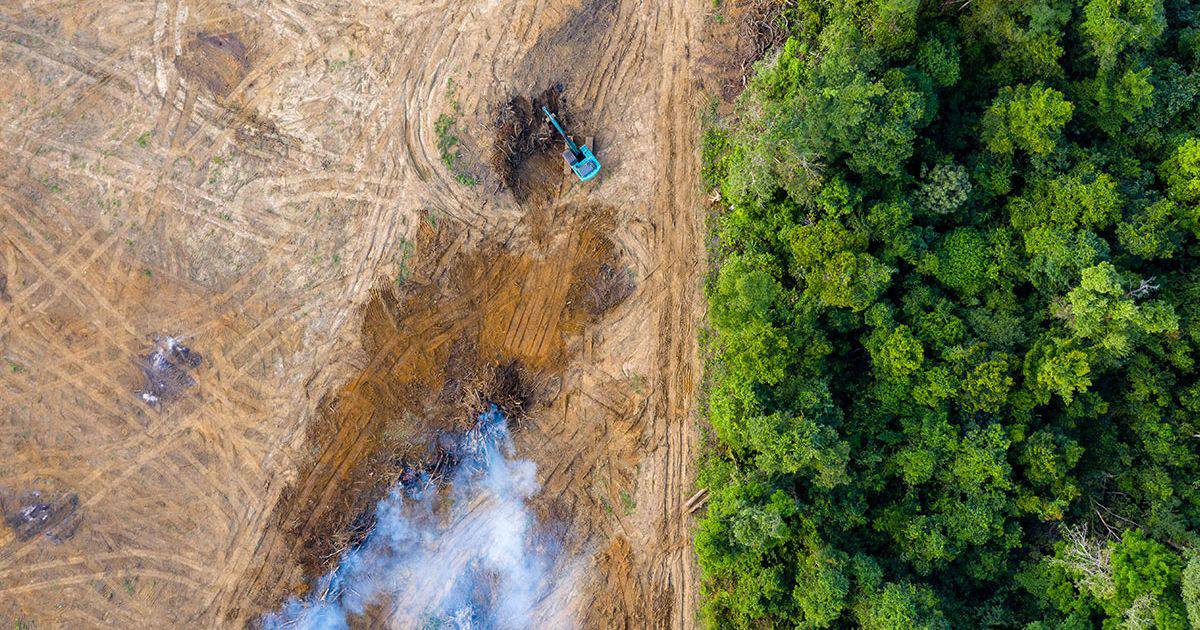
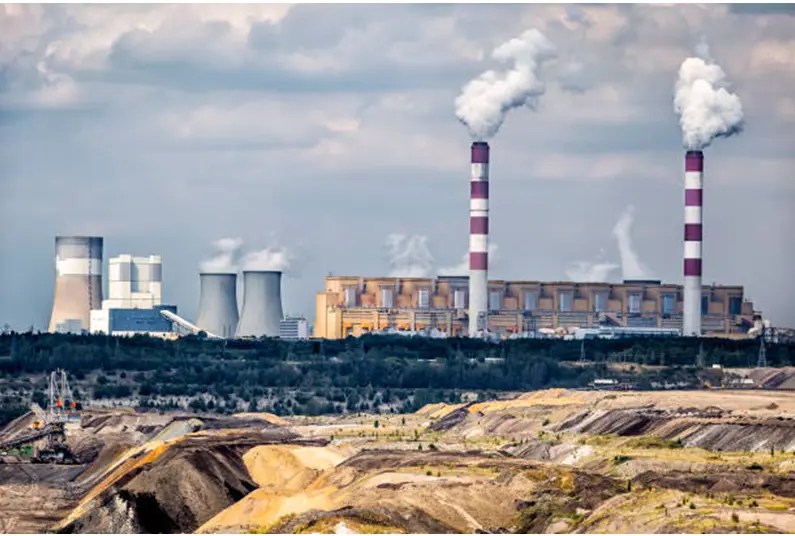
One of the questions that might be going through your mind is how does development affect the environment? You might have stumbled upon a piece of news, an argument, or an article stating that development affects the environment. Anyone would have wondered how. In this article, we will answer some of the queries you need answers to.
Development as we know it is as old as mankind. Now in the modern world, it is used as a metric to rate a country’s progress level. As much as development has positive impacts, looking at its effect on the environment, the environment suffers the most.
Have you ever wondered what kind of developments is in place compared to the last twenty-five years? There has been a lot of development, and this is a result of industrialization and urbanization. This duo has brought progress but is doing more harm than good to the environment. Industrialization is one of the key development paths we have trailed. It refers to the transition of a country’s social and economic structure toward an industrial economy. However, urbanization refers to the movement of people from rural to urban areas. They leave the rural site for the urban areas for better opportunities and prospects. In successive lines below, we will explain how economic development impacts the environment.
What are the major environmental impacts of development?
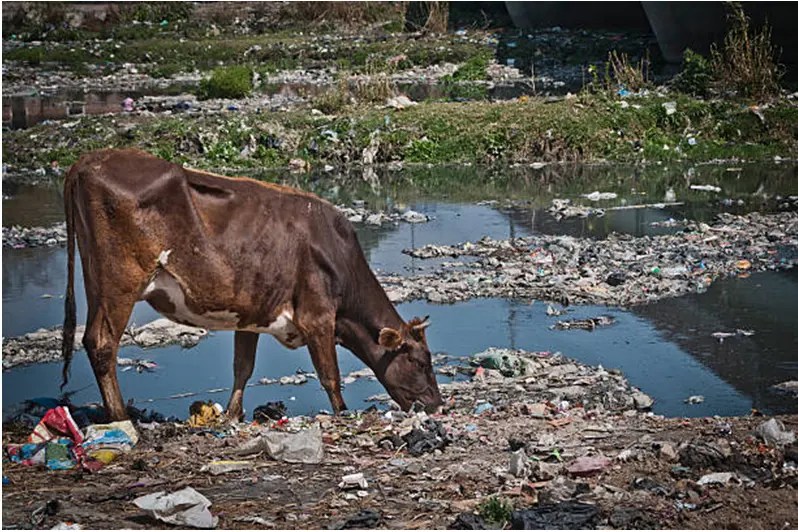
Simply stated, economic growth is an increase in GDP. As a result, we can expect environmental expenses to rise alongside rising production and consumption. Consumption of non-renewable resources, pollution, global warming, and the possible destruction of ecologically significant ecosystems are just some of the environmental effects of a booming economy.
Below are some examples of how economic development is affecting the environment.
- The growing population: According to Ehrlich in 1968, resources will run out if the world’s population keeps expanding at its current rate. There will not be enough food to feed all people on Earth.
- Industrialization: Due to rapid economic expansion, manufacturing industries worldwide consume vast quantities of coal, oil, and gas. Scientists predict a depletion of these natural resources if they continue to be exploited at the current rate.
- Higher levels of pollution: Pollution caused to the environment due to development is causing much harm. For instance, forests are responsible for carbon dioxide (CO2) absorption and oxygen production. Through deforestation, the natural habitats of many animal and plant species are being destroyed, which can lead to the extinction of those species. Currently, air and river pollution are the most pressing environmental issues. They have a disproportionate impact on third-world countries. The problem comes from the fact that there are so many factories and warehouses in these third-world countries. Implementing environmental regulations and policies is challenging because they are outside the interest of transnational corporations. Multinational corporations (MNCs) prioritize maintaining high-profit margins over investing in costly measures and innovations that could aid in reducing air and water pollution.
- Industrial and agricultural development: According to sociologists, an imbalance in trade with the West forces farmers in developing countries to over-farm certain crops. The prices of locally produced foods are also lowered due to food aid from developed countries. This means that for farmers to make a living, they must produce and sell more goods at ever-decreasing prices. The land becomes infertile and unusable as a result of this process.
- Growth of capitalism due to development: There are numerous ways in which capitalism creates environmental pressure points. For instance, transporting labour-intensive goods from manufacturers to distribution centres increases pollution. In capitalist societies, excessive consumption and resource extraction also add to the devastation of the environment.
What other causes, along with development, are impacting the environment? How does development affect the environment

Aside from development, humans impact the environment negatively. Overpopulation, pollution, the use of fossil fuels, and the destruction of ecosystems are all examples of human activities that harm the natural world. Changes like these have resulted in climate change, soil erosion, bad air quality, and undrinkable water. These adverse effects have the potential to alter human behaviour, leading to things like widespread migrations and conflicts over water supplies.
Also, natural causes such as Avalanches, earthquakes, tsunamis, storms, and wildfires can impact the environment. It can obliterate entire communities of animals and plants in the region. This can happen either instantly due to a catastrophic event or gradually over time due to the introduction of a harmful alien species.
Indeed, we can’t pin all the responsibility on human beings. The planet Earth itself is a major contributor to environmental problems. While human activity is frequently blamed for environmental deterioration, the fact remains that the natural world is perpetually in flux. Some biological systems decline to the point where they cannot aid the life meant to live there regardless of the effect of human activities.
What is the Environmental Kuznets curve?

The environmental Kuznets curve shows that as a society’s economy grows, its relationship with the environment worsens initially. Still, then it gets better after a certain level of economic growth.
Critics counter that there is no guarantee that economic growth will result in a better environment and that, in many cases, the reverse is true. You need a specific plan and attitude to ensure that economic growth doesn’t hurt the environment.
How can the world target economic growth without damaging the environment?
How does development affect the environment?
Some ecologists contend that environmental harm always results from economic development. However, some economists argue that economic expansion can coexist with ecological progress and a stable environment. Doing the following will help:
Switching to renewable electricity from non-renewable sources
The cost of green energy is steadily declining relative to non-renewable energy sources like coal.
Social cost pricing
Economic development entails external costs, such as expenses related to environmental harm, which must be factored into the price. As little or no external costs as feasible will be used to promote development in this way. An illustration of this is a carbon levy.
Considering the environment to be a public benefit
Environmental preservation must come before financial gain.
Technological development
One of the most important parts of environmental policies over the past few decades was adopting new technologies that can help reduce and eliminate the causes of environmental problems. Electric vehicles are now more widely available and more reasonably priced. Compared to fossil fuel-powered vehicles, they are more sustainable.
Conclusion
Globally, development has had many beneficial effects. However, urbanization and industrialization have harmed the environment. This article must have answered your queries ranging from How does development affect the environment?, How can the world target economic growth without damaging the environment?, What is the environmental Kuznets curve? And others. We can now conclude that development has brought us good and also a negative impact on the environment. Also, as stated in the article, human and natural occurrences could impact the environment.
Will Couples Therapy Work

Introduction:
Couple therapy is a type of treatment that concentrates on assisting couples with better communication, conflict resolution, and relationship strengthening. To investigate and deal with the problems that are producing problems in their relationship includes visiting with a qualified therapist or counsellor who focuses on dealing with couples. Couples Therapy for boyfriend and girlfriend focuses on improving the relationship between those two people in a romantic relationship.
The following are the few benefits of couples therapy
Improved communication: Couples develop improved communication skills that can help them better comprehend one another’s wants and emotions.
Conflict resolution: Couples can learn skills for resolving conflicts respectfully and healthily, which can help reduce the frequency and intensity of arguments.
Strengthened relationship: By addressing underlying issues and improving communication, couples can strengthen their relationship and feel closer to each other.
Some common exercises or techniques used in couples therapy include:
Active listening: This involves actively listening to your partner’s concerns and feelings without interrupting or judging them.
Conflict resolution: The therapist can guide the couple through a structured process for resolving conflicts healthily and respectfully.
Communication skills: The therapist may teach couples specific communication techniques, such as using “I” statements instead of “you” statements, to improve their ability to express themselves effectively.
Problem-solving: The therapist may help the couple identify specific problems and develop strategies for addressing them.
Couple therapy can be helpful for couples who are experiencing difficulties in their relationship, including:
- Communication problems
- Sexual difficulties
- Infidelity or trust issues
- Financial stress
- Parenting issues
- Substance abuse or addiction
- Divorce or separation
How does couples therapy ever work?
The therapy sessions typically involve both partners participating in discussions, exercises, and activities designed to help them improve their communication, increase emotional connection, and develop more effective problem-solving skills. The therapist may also provide feedback, guidance, and support to help the couple work through their issues and achieve their relationship goals.
Depending on the couple’s requirements and the seriousness of their challenges, the length and frequency of their sessions may change. In order to create significant and long-lasting changes in their relationship, couples are often advised to attend multiple sessions, typically extending from a few weeks to several months.
The diagnosis for couples therapy involves identifying the specific issues that are causing problems within the relationship. A qualified therapist will normally carry out a first examination to comprehend the relationship’s past, its present difficulties, and the objectives of each partner. The therapist will create a treatment plan that addresses the specific problems the couple is having in light of this evaluation. The therapist may also provide education and skills training to help the couple communicate effectively, resolve conflicts, and build a stronger relationship.
Your therapist may give you some documents before your first treatment session about costs, workplace rules, and other moral or legal issues. Also, you and your spouse might be required to complete an intake form with basic information such as personal information and medical background. Discussing the specifics of your relationship and the issues you intend to address during treatment typically takes up the initial couples therapy sessions. To get the most out of therapy, your therapist also will probably work with you to pinpoint areas that need improvement, define relationship objectives, and create a unique treatment plan.
The below questions are just a sample, and a qualified couples therapist will work with you both to develop a treatment plan that is tailored to your specific needs and concerns.
- What are your individual and shared goals for therapy?
- What brought you both to therapy?
- How do you communicate with each other?
- How do you handle disagreements in your relationship? How do you each express affection and appreciation for each other?
- Are there any external factors that are impacting your relationships, such as stress from work, family, or financial pressures?
- How do you each see the future of your relationship?
The 15 couples therapy tips you should follow:
- Be honest and open with your therapist. Share your concerns, fears, and feelings openly and honestly.
- Listen to your partner without interrupting or trying to control the conversation.
- Use “I” statements instead of “you” statements.
- You should be accountable for your thoughts and deeds. Don’t blame your partner for what you do or how you feel.
- Practice active listening. Repeat back what your partner says to show that you understand them.
- Avoid using judgmental or critical language. Don’t judge your partner when they are speaking out about their own needs and feelings.
- Take breaks if the conversation becomes too heated or emotional. After you both become calm, continue the conversation.
- Put yourself in your partner’s position to develop empathy. Try to see their perspective and understand their feelings.
- Set boundaries around behaviour that are unacceptable in the relationship. Communicate these boundaries clearly and respectfully.
- Practice forgiveness. Let go of past hurts and resentments to move forward in the relationship.
- Working as a team will always help you to solve the conflict and will be easy to find solutions.
- Take time to nurture the relationship outside of therapy. Plan date nights and activities that you both enjoy.
- Practice self-care to reduce stress and improve overall well-being.
- Be patient with each other. Change takes time and effort.
- Celebrate progress and successes in the relationship, no matter how small they may seem.
Conclusion:
Overall, with the help and support of a qualified therapist, every couple can work through their relationship issues and strengthen their relationship. It offers a secure and encouraging setting where couples may communicate their needs, resolve disputes, and learn new skills to strengthen their bond.
FAQ’s
- Is couples therapy expensive?
There are a number of factors that can vary the costs of couples therapy, like the therapist’s training, experience, location, session duration and frequency, etc.
- Can couples therapy save a relationship?
Couples therapy can help save a relationship by improving communication, increasing intimacy, and resolving conflicts.
- What is couples therapy vs. couples counselling?
Couples counselling and couples therapy both typically refer to the same form of therapy. The focus is on improving the relationship between the partners rather than on treating individual mental health issues.
- Where can you find couples therapy retreats in India and abroad?
There are several couples therapy retreats available in India and abroad. Couples therapy is also frequently provided online by therapists, which can be a practical and cost-effective alternative for people unable to attend in-person sessions. To book an appointment with a counsellor, you can look into this website betterhelp.com for more information
 TheScientificTriangle
You must be logged in to post a comment.