TheScientificTriangle
What about the environment and science
11 essential action points from the Cop26 Summit

Finally, the Cop26 Summit ended amid a lot of uproar, anticipations, expectations, essential information, and confusion. This Cop26 summit was so important that it has been deemed to be humanity’s last hope, as we keep incurring debts towards the Earth going forward.
Speculations have hit high where most real time activists prefer to not believe the Cop26 Summit and the world leaders. But, there is nothing that can be done single-handedly towards Nature now. It’s damaged enough to require multiple hands to stand back. Our generations might not even see the fruit of our efforts even if all goes well, thinking optimistically.
A total of 197 countries have signed the contract and including all big pollution contributing countries to even small islands that stand at the highest risk zones due to the continuous water level rise.
What we cannot miss is that we owe this planet every ounce of freshwater, food and clothing, in fact, our entire wellbeing. The worst part is there is no way back without any effort being put towards it.
Kiribati needs you! It’s already sinking.
Strain and stress but save the humans
Before we move on, let’s have a brief look at the shortages we are already facing.
Worst hit countries where water shortage due to global warming and environmental extremes are on the rise.
Water crisis condition in the below countries
| Country | Scarcity |
| India | Almost on the brink of losing clean water with day 0 situation for Delhi, Hyderabad, Bengaluru and Chennai. |
| South Africa | The Nelson Mandela Bay is on the verge of record-level water shortages. It might run out of water, leave alone clean water anytime the rains are not sufficiently occurring in these regions. South Africa is providing 50 liters of water per person in many regions. |
| Brazil | Almost 1.2 million lack access to safe water leave alone clean water. Almost 90% of South American wetlands have been lost since 1995. Blackouts are predicted, few hours of water supply to home is being practiced long |
| Jordan | Water supplies dip as water prices spike. Almost 30% of the groundwater is lost, and the worst hit is the Syrian refugees in Jordan. The government plans to dig seven new levels reaching deeper aquifers predicted to last them another 10 years min. & 30 years maximum. |
| United Arab Emirates | The country which consumes the highest per capita water consumption. Highly saline groundwater, the high cost of producing clean drinking water, and the decline in the groundwater levels are major contributors to the scarcity being experienced by the country. In the next 50 years, UAE is predicted to be losing all the water they have. |
| Egypt | With 20 cubic meters of internal renewable freshwater, current water shortages are predicted to hit Egypt by 2025. |
| Mexico | Another South American country lacking water. An estimated one in five people lacks access to freshwater. Conditions have reached such devastating levels that people in Mexico now pay to receive water from a tanker just once a week. |
| Iran | It hits the water crisis by 2030 acutely if not taken care of. |
Air pollution levels
It needs no introduction, and several countries are already reeling under its pressure.
The air pollution index stands high for these given countries in the order mentioned below.
| Country | API |
| Mongolia | 276 |
| India | 275 |
| China | 253 |
| Bangladesh | 199 |
| Turkey | 195 |
| Pakistan | 171 |
| Tajikistan | 167 |
| Serbia & Armenia | 160 |
| Macedonia | 152 |
| South Korea | 144 |
Data used from the site https://aqicn.org/rankings/
Now that you are aware of the air and water condition, you might have understood that these are renewable resources. But what many of us don’t know is that their renewal process is still in our hands.
If we play around with the process, it is we who are at stake.
These data have also triggered the world leaders who met recently in a 13-day summit in Glasgow to discuss stringent rules around these environmental crises.
Let’s see what these brainstorming sessions inside rooms with some of the best thinking minds plan to contribute in the next ten years towards the Earth’s current condition. How they plan to bring about healing, is what will become evident from these action points they plan to cover.
11 key takeaways for every person breathing on the Earth’s surface
Becoming one is the current test and it is what can only save our crisis preserving a future as beautiful as some of us can discuss even to date. While Antonio Guterres stated topmost priority will be given to reducing the temperatures to just 1.5 degrees Celsius above the pre-industrial standards, there are many other aspects on which the discussions were held during the summit.
It was found that even though developed nations accounted for merely 12 percent of the population, they almost account for 50 percent of the greenhouse gases. The rich and developed nations like the United States and European nations stressed a quick shift from coal-based energy levels to renewable sources, they in return argued of lack of funds. Nations like India, China, Indonesia, and South Africa countered and labelled developed nations as stingy. But, then all countries came to a few common agreed conclusions.
1) Restore the fossil fuel level by saving their use
The first impetus is being given to curbing the use of fossil fuels like oil, gas and coal. It was found that their use will itself be a huge step to keep the temperatures up to 1.5 degrees Celsius. However, major coal dependent countries like India, China, Australia and even the United States have declined to sign the deal.
It’s alarming to know that despite planning to curb down their use, major countries invest 420 billion USD annually to create subsidized rates for the use of these fuels.
It is noteworthy, that fossil fuel levels and their controlled use were discussed for the first time in the COP26 summit.
2) Shift to renewable energy resources for all sectors
Decarbonization seemed to be the only critical goal to bring down the temperature meter, and in cooling down the Earth’s atmosphere. It was decided that wind and solar power must be targeted by 2050. The use of renewable resources seemed to be the only way to fuel net-zero levels of carbon emission.
Less wind and no sunny days could mean less energy generation but then, better storage is being aimed to save the remaining energy to be used only in need.
3) Cut down on methane emissions by 2030
Methane emissions are induced by many human activities including;
- Mining of coal
- Carrying out agricultural activities
- Industrial processes
- Mobile and stationary combustion processes
- Landfills
- Wastewater treatment plants
Activities that can be cut down among these to bring down the methane level must be cut down.
Did you know methane is also a GHG (greenhouse gas)?
4) Plant trees, the least every human can contribute towards the world
If every human on this planet plants at least one tree that grows big with time eight billion trees can be contributed to the world currently.
Wondering if that will help as decided in COP26 Summit? They are the natural curtains of the environment and unlike our dead ones; these trees release oxygen and soak in carbon dioxide. Well, carbon dioxide is food for them and poison for us?
This reminds me of a saying,
“One man’s food is another man’s poison?” Why not use this simple technique that requires just a few bucks and often nothing.
Mark Twain (Samuel Langhorne Clemens)
Trees for deforestation- COP26 Summit
How many trees do we need to save the world currently?
As per a survey, researchers of Yale say we need 3 trillion trees to significantly bring down the carbon dioxide level.
How many trees per individual must be planted with the world’s population precisely standing at 7.5 billion right now?
It stands at approximate 400 trees per individual.
If the governments take up the initiative to plant alongside every human on this planet, these numbers are surely achievable, at least half of it.
5) Stop using petrol & diesel completely
Tying to chop down will benefit us or our future generations in the long run. Try to walk, drive electric or solar cars, bicycles for a change. But with the intricate pattern of our lifestyle and the daily innovation of newer vehicles, this might be a hard target right now.
6) Eliminate greenhouse gases from the air
There is some ray of hope in this area so far. People have built machines that can eliminate greenhouse gases from the atmosphere.
What are the options? We etch them out here. But, they are costly and controversial to date.
| Technology | Companies developing them | Technique used |
| Direct Air Capture | Carbon Engineering in Texas and Climeworks in Switzerland | Huge fans push the air through large filters designed to absorb carbon dioxide |
| Carbon Capture & storage | 15 such firms operate currently, and Occidental Petroleum is one of them | Captures carbon emissions from locations where they are mass produced |
7) Developed countries pledged to double their adaptation funds
Funds are the major concern for developing and growing nations. Poor nations cannot afford any of these facilities unless they have funds. The world will double the funds passing them from developed to developing nations is what is promised in the COP26 summits.
8) Nature-based solutions to be eliminated going forth
Even though nature-based solutions were being discussed in the first half of the COP26 summit, it was removed in the last rounds. Nature-based solutions are massive consumers of natural resources. This point was quoted in the beginning.
9) Paris rule book for the environment is finalized
People in the COP26 summit have pledged to retain the Paris rule book going forth.
Read more about the Paris rulebook here.
10) Youth, children and indigenous populations are to be brought to the forefront
Children, youth and indigenous populations are being promoted with the COP26 summit. Indigenous ways of life will be promoted going forth by the world leaders as per the summit resolution.
11) End of deforestation by 2030
Planting more trees is an easy resolution, but increased populations are promoting the use of woods for necessary and unnecessary reasons. Civilizations are built around the fire, and the major source of heat and fire at a time were the trees. Moving from woods to other mediums and sources of fire is not easily achieved even with so many technological advancements.
Parting Lines
The world is dependent on us as much as we are dependent on them. Conferences and summits like Cop26 are not required to know we can lose our children.
The word of this decade must be co-existence which people have almost forgotten amid the competition people endure to live only to die in the end.
If we can acknowledge a few basic truths, life and Earth can still be healed.
Afterthought:
If we truly love our children and want them to be well, wouldn’t we have tried saving the Earth than destroying it?
Take a step forward plant a tree today.
Covid Pill – A Gamechanger in the Battle Against Covid-19 Pandemic
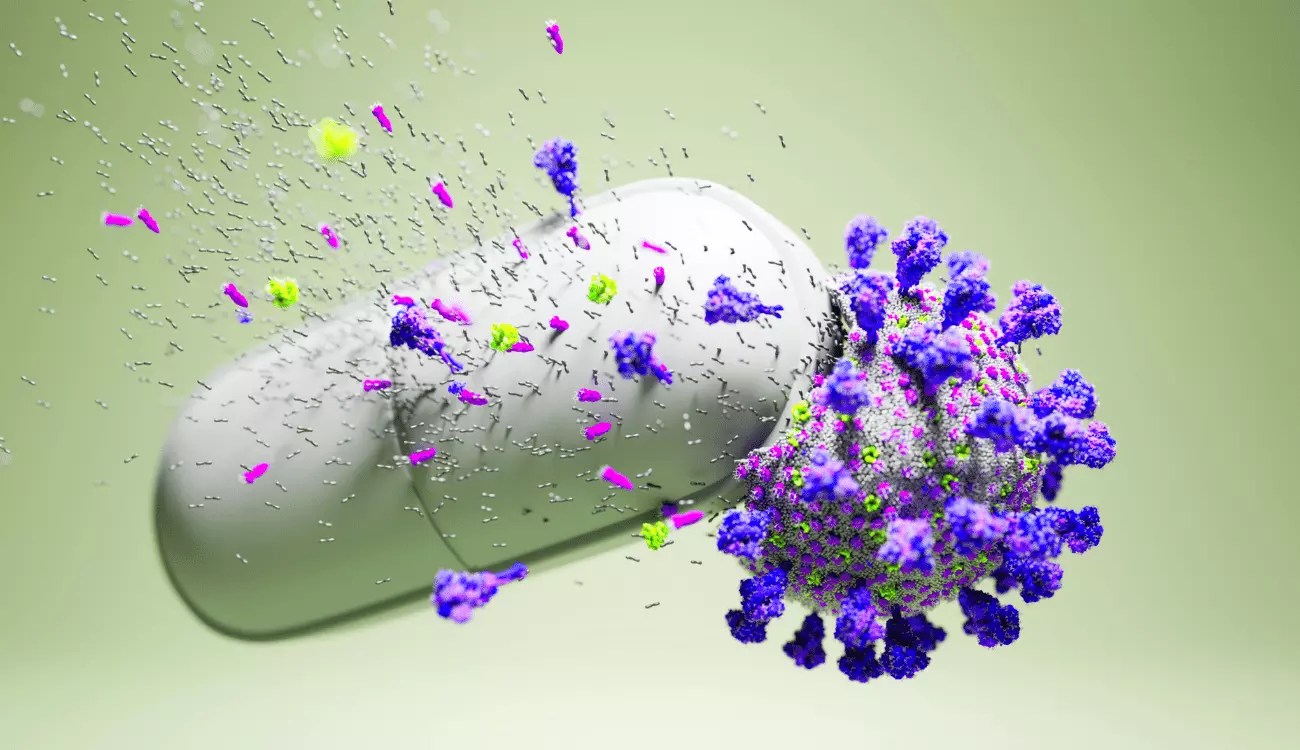
Is a Covid pill the ultimate weopon against Covid-19 infections? Reports claim Covid will never fade away and will have to be adopted as a way of living. If this is how it is going to be, then people want to know how can one fight upcoming strains in the best possible way. Vaccines have seemed to have been effective just against two strains, but what about those mutant strains that might appear in the future?
Brief of Covid-19 and Covid pill
Covid-19 is there a cure or prevention alone is a go-to-go feature of the disease?
Covid (Coronavirus alternately known as SARS-CoV), is a fatal condition in some while others are prone to suffer intensely. Millions have lost their lives during these two years due to this unknown strain of SARS-CoV. It took us a long time to believe the pandemic that the pandemic was actually happening, and by then millions had already fallen prey to it and some others had fatally contracted it.
Lockdowns, masks and several sanitization practices have been used but none could prevent fatality for some. However, these measures when strictly followed brought down the number of people affected by them.
These measures still could not prevent the vulnerable from contracting serious infections, thereby leading to hospitalizations and treatment with existing antivirals, antimalarials, antihelmintics, and whatnot! Then came the vaccines.
Steps and more details
Mass vaccinations were targeted and to date, more than 2 billion people have already been vaccinated successfully across all countries.
But, then we have till now faced two large bouts of the pandemic and the next stands in tow. Many claim including some major organizations like CDC1 & UNICEF2 that whether vaccinated or not, individuals can still contract and die due to the delta variant.
Questions abound as to why so many people took the vaccine at all. It is even being claimed that vaccines cannot bring down the fatality rate being anticipated due to the delta variant.
Someone meanwhile spoke about Covid pills? What are they and how are they effective against Covid? Have they been tested?
What are Covid pills and how effective are they?
Many have already put the “Next, what?” question and tremble in fear of another lockdown. There is no more space for any more losses and as the world holds it, people lost jobs, faced financial burnouts, and suffered massively due to lockdowns. Government funds, social service organizations and so on, could not change the fate of people and people largely reeled under the impact of lockdowns.
Well, for all these speculations and questions, the answer is a drug. A drug in the form of a pill or capsule is what can prevent further strains from causing fatalities.
The good news is, such a drug is already underway and is being attempted by two of the drug giants of the world- Merck and Pfizer.
Now, with these drugs can Covid be treated as a generic disease going further?
Going by the names of Molnupiravir (Merck) and Paxlovid (Pfizer), both companies claim that these two therapeutic agents have shown promising results when administered as Covid-19 pills. They can be used to treat Covid, thus even preventing hospitalization and severe symptoms.
Let’s take a closer look at them.
Merck Covid pill- Molnupiravir (Lavgevrio)
Merck’s pill Molnupiravir (which works by preventing replication of specific RNA viruses) is already approved by the United Kingdom’s drug regulatory bodies.
It will be given twice daily (three pills in the morning and night) to those freshly diagnosed with the disease. Originally built to treat flu, Molnupiravir is claiming to be capable of bringing down the risk of fatality and hospitalization by almost about half. Being a nuclease inhibitor it will prevent the evolution of the coronavirus preventing random mutations in the virus.
Going forth, the frail and immunocompromised citizens of the world need not suffer or worry. Almost seven studies of Molnupiravir have already entered the clinical trial3 gov site.
Study list of Covid pills
- One of the studies is terminated4, the one that was designed to study the safety and efficacy of MK-4482.
- Another study is active but is not recruiting actively5.
- Three of the studies6 are actively recruiting.
- One is known to be studying the possibility of prevention of COVID-197.
- Another is studying the safety of the Molnupiravir administration.
- AGILE studies that are an early phase platform trial8.
- Two studies are already completed9 and you can read more about them10 from the provided links.
According to a study result cited in the recent article11, Molnupiravir is the first molecule that is showing a high level of efficacy in decreasing the SARS-CoV2 infectious virus and even acting effectively against the viral RNA. Also, the safety and tolerability results in patients were found to be satisfactory.
Pfizer Covid pill
Paxlovid, the Pfizer Covid pill, is also known as PF-07321332 is known to be a protease inhibitor and has demonstrated significant anti-viral efficacy. It is being given in combination with ritonavir and boosts the activity of the protease inhibitors.
According to a recent report, it was revealed that Paxlovid is 89% effective12 in people suffering from Covid-19. The study was reported in the British Medical Journal13 on 08th November 2021. The study shows promises in the fields of safety, efficacy and also tolerability towards the medication. Safety and tolerability14 were done on 1881 patients and the study reported no deaths until day 28.
Pfizer will go ahead and submit the data to the FDA as an ongoing rolling submission. The drug has also demonstrated effective anti-retroviral activity in-vitro. The drug’s effectiveness has been proved even in Phase II as well as Phase III of the several undergoing clinical trials.
The entire study is an EPIC-HR Phase II/III randomized double-blind study and has successfully met its primary endpoint that is an 89% reduction in the chances of hospitalization and death in Covid patients.
Paxlovid’s late-stage Clinical Program
| Trial | Types of subjects chosen | Outcome of the trials |
| Epic-HR15 | Adults at high risk of the disease but not hospitalized | July 2021 with 89% risk decrease for interim analysis with 70% enrolment; 50% subjects are from the United States. |
| Epic-SR16 | Low risk adults who were not hospitalized | Data is due either in quarter 1 or 2 |
| Epic-PEP17 | Adults who were in contact with household Covid patients, a post prophylaxis treatment | Data is due in Quarter 1 or 2 |
Which is better- Paxlovid or Molnupiravir- Covid pill?
Paxlovid is placed better based on the results of the clinical trials to date. We shall see a brief comparison of both drugs in this below segment.
| Actions | Paxlovid (Pfizer) | Molnupiravir (Merck) |
| Efficacy | 89% within five days of onset | 50% within five days of onset |
| Class of drug | Protease inhibitor | Nucleoside analog |
| Side effects | Gastrointestinal problems | Birth related defects observed in drugs of the same class |
| Cost per course | Not revealed | $700 per course |
| Continent-wise prevalence | The United Kingdom | The United States |
Parting Lines
Even though the Covid pill has to achieve many more milestones but still the future of the Covid-19 pandemic does not seem to be as bleak as it seemed two years back. With the pills coming up, life can resume normalcy even if Covid continues to exist in the form of a mere sneeze for all of us.
There is still hope and most importantly, a lot can be preserved, leaving apart the grief and loss that people have already endured during this course of time.
Citations
- https://www.cdc.gov/coronavirus/2019-ncov/variants/delta-variant.html
- https://www.unicef.org/coronavirus/what-you-need-know-about-delta-variant
- https://clinicaltrials.gov/ct2/results?cond=COVID-19&term=molnupiravir&cntry=&state=&city=&dist=
- https://clinicaltrials.gov/ct2/show/NCT04575584?term=molnupiravir&cond=COVID-19&draw=2&rank=1
- https://clinicaltrials.gov/ct2/show/NCT04575597?term=molnupiravir&cond=COVID-19&draw=2&rank=2
- https://clinicaltrials.gov/ct2/show/NCT04939428?term=molnupiravir&cond=COVID-19&draw=2&rank=3
- https://clinicaltrials.gov/ct2/show/NCT04405739?term=molnupiravir&cond=COVID-19&draw=2&rank=4
- https://clinicaltrials.gov/ct2/show/NCT04746183?term=molnupiravir&cond=COVID-19&draw=2&rank=5
- https://clinicaltrials.gov/ct2/show/NCT04392219?term=molnupiravir&cond=COVID-19&draw=2&rank=7
- https://clinicaltrials.gov/ct2/show/NCT04405570?term=molnupiravir&cond=COVID-19&draw=2&rank=6
- https://pubmed.ncbi.nlm.nih.gov/34159342/
- https://www.bmj.com/content/375/bmj.n2713
- https://doi.org/10.1136/bmj.n2713
- https://www.bmj.com/content/375/bmj.n2713
- https://www.clinicaltrials.gov/ct2/show/NCT04960202
- https://www.clinicaltrials.gov/ct2/show/NCT05011513
- https://www.clinicaltrials.gov/ct2/show/NCT05047601
Essential points about the UN COP26
Arranged annually by the United Nations Framework Convention on Climate Change (UNFCCC), the UN COP26 conference is held to discuss the progress made in terms of climate change in the world. It is also a center where the Kyoto protocol is negotiated every year to ensure the developed nations comply with the boundaries set by the protocol.
Introduction & History of UNFCCC
Not many know that this initiative was established for the first time in 1995 when the world stood up to voice a single opinion towards climate change. Climate change had already begun, but as nations, not many were aware of its consequences. But with the first conference held in Berlin, they laid the foundation for specific measures that could make the world a better place.
Almost 196 countries have adopted different solutions to bring down the aftermath of climate change largely. It was right in the 1996 conference that the scientific and research findings around the proposed climate change were accepted for the first time.
During the 1997 session, the United States was instructed to reduce carbon emissions by 7%. In this way, every year several steps were taken towards eliminating the growing hazards of climatic changes and global warming.
In 2016, the need to use low carbon energy sources was recognized giving way to the concept of green fuel. Every year, there are discussions around some essential points that are decided upon, and the whole of the next year is given to the countries for their suitable implementation.
When is UN COP26 happening?
Originally scheduled from 9th to 19th November 2021, but was preponed to 31st October 2021 and is scheduled till 12th November 2021. The main reason for the shift is the COVID-19 pandemic and is right now an ongoing event.
Venue for UN COP26
It is held in SEC Center Glasgow, Scotland, United Kingdom.
Attendees of UN COP26
Twenty five thousand delegates have joined hands from 200 countries for the conference. Alok Sharma, an Indian born and a Brit politician is serving as the President of UN COP26. Sharma left his position as Secretary of State to take on the Presidential position of UN COP26 as a full-timer. He holds the chair position of the climate action committee and is a full member of the cabinet.
Agenda
The list contains agendas given that climate change is already taking a toll on the lives of many.
- One of the primary agendas agreed upon is the use of sustainable agriculture agenda. There are several laws and regulations laid out for making farming less polluting and more sustainable. India is among the 27 countries that have signed the deal.
- The common goal of every nation is to prevent the rise of temperatures above 1.5 degrees Celsius. As per current estimates, the Earth’s surface temperature is already increased to 1.2 degrees Celsius.
- Coal as an energy source is being currently phased out from almost 40 countries to incorporate greener solutions.
- The seas also need protection and almost 10 nations have come together signing the pledge to conserve almost 30% of the seas by 2030. Nations included in this pledge are India, Qatar, Bahrain, Jamaica, Saudi Arabia, Sri Lanka, Tonga, Samoa, Gambia and Georgia.
Almost 4 billion USD as per UN COP26 is being estimated for implementing new agricultural innovations that include the development of crop breeds that are resilient to Nature’s changes and also implementing regenerative solutions for the soil.
Britain’s role in UN COP26
Britain is ready to boost the economy with a 500 million dollar contribution to this entire project. Protections will be laid down with this money over 5 million hectares of Earth’s surface area. The projected surface area is estimated to equal an area, equal to 3.5 million football pitches. It involves the protection of tropical rain forests and spreading green jobs for countries like Africa, Asia and Latin America.
Jennifer Morgan, executive director of Greenpeace while, addressing the UK media, focused on the fact that even though the Summit is trying to find some joy and relief but, it is indeed hard to obtain, as there is an uprising concern of being played by almost everyone.
The net zero state is being aimed by 2050 by the United Kingdom.
Promises made by the US President Joe Biden
President Joe Biden apologized for Donald Trump’s withdrawal from the Paris Agreement on climate change.
He further emphasized that given the history of active deforestation. The US as a nation owes to place words into actions that Biden promises to be happening right now throughout the nation.
The US plans to hit net zero by 2050.
India’s PM Narendra Modi’s resolve in UN COP26
India promised to hit net zero carbon emission or at least reaching a carbon neutral state by 2070. India currently is the fourth biggest carbon emitter in world.
This is a promise India made apart from other promises mentioned in the agenda.
What does Amazon head have to say?
Jeff Bezos’ plans to give $2 billion for climate conservation.
Some activists like Greta Thunberg are skeptical that these high ended goals may never be achieved at all. As the conference is ongoing, many are still pinning their hopes, wishing for desirous results in the mid of growing concerns of rapid climatic changes.
Do you ever need a poetry course?

Here we talk about a poetry course today but before that let me ask you, do you need a course at all?
Well in my opinion, we do need a course for everything new we want to learn and begin.
Courses may not be perfect but can align your thought process immensely well.
It is these courses that tell us more about this new world we are trying to explore.
One such course is right now what I am trying to bring forth and this is a poetry course.
Why suddenly poetry and why even a course? Aren’t there already enough courses in poetry?
Yes, but all of these courses have something different to say and so will my course do something different.
Learnings from the poetry course
Through the course, you will gain in three ways and three kinds of people.
- If you are willing to take up a new hobby, tune in to this course that teaches you how writing can be adapted as a hobby.
- If you are trying to heal from experiences that were unforeseen and tough, you can try out this course and learn how you can once again jump back to your life. The course tells you the reason you must take up writing.
- If you love writing poetry but you are not aware of the facts that can help make it stand out, try this course.
I am no renowned poet but I have years of experience in writing poetry. I do not believe recognition alone can be the factor guiding your choices, there are many good things in the world yet, they are not a brand. It was a line in favour of why you must take this course from me :).
A poetry course that can change the way you look at the world. Hosted with Indie IT Press that has a bunch of good courses to offer, I would like to tell you to join me in this journey.
Charges vary and is based on your country and job status. It is not a free course but is economically designed for different needs.
If you want to try a free course in writing, you can join this one by Vandana Sehgal.
Woolly Mammoth Might Be Resurrected by Colossal

Wondering why are scientists trying to bring back the woolly mammoth? Well, in a desperate attempt to restore the ecosystem, scientists and geneticists are trying to recreate the woolly mammoth of the ice age.
There is a high possibility that Manny and Ellie from the Ice Age movie series might soon walk down the surface of Earth again. Yes, you read it right. Scientists of the genetics and biosciences firm, Colossal are trying to recreate the woolly mammoth.
Geneticists are attempting to use CRISPR gene-editing technology to insert the DNA of an extinct mammoth into the genome of an Asiatic elephant. DNA sequencing will help to recreate a hybrid embryo of elephant and mammoth. This animal will have a close resemblance to elephants, but they will have a woolly mammoth’s size, along with its head structure. The recreated hybrid will also be furrier like the woolly mammoth but will have smaller ears.
George Church, professor of genetics at Harvard Medical School and a pioneer of novel approaches to gene editing, said, “our goal is to make a cold-resistant elephant, but it’s appearance and behaviour will be like a mammoth’s.”
Ben Lamm, a tech entrepreneur and co-founder at Colossal, said that humanity has never before been able to “harness the power of this technology to rebuild ecosystems.” He further added that bringing back woolly mammoths will help restore Earth’s habitable climate.
How are geneticists planning to accomplish this mammoth task in six years?
The DNA samples to be used has been collected from mammoth tusks, bones, and other body parts preserved in ice. The woolly mammoth’s DNA would be inserted into the embryos. These embryos will be created in the lab.
The initial steps include taking Asiatic elephants’ skin cells, which would then be reprogrammed into stem cells carrying the extinct mammoth’s DNA. Before this, scientists would have already performed genome sequencing on the mammoth’s pre-extracted genomes. This will help identify the genes responsible for making a mammoth’s furry coat, fat insulation layers, and other characteristic features.
These embryos will then be either carried by a surrogate elephant mother or developed in an artificial womb.
So far, Colossal has managed to raise 15 million USD from investors. Six years is the time period that scientists have for the creation of the first calves.
According to Harvard University geneticist George Church, it is unclear at this point whether Asiatic elephants will interbreed with the elephant-mammoth hybrids. But that is the ultimate goal, as per Ben Lamm.
Woolly mammoth’s role in ecological conservation
So, why scientists are embarking upon the journey of recreating the 4,000 years old extinct colossal mammoth?
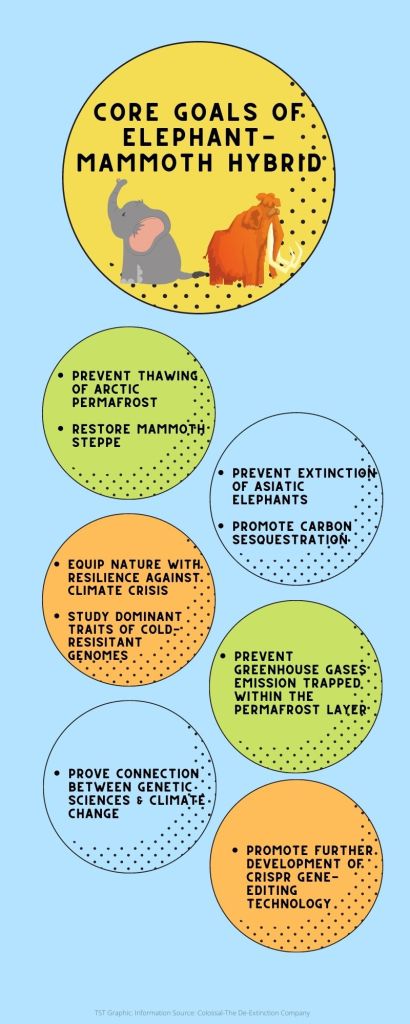
Well, they are doing so to conserve the endangered Asiatic elephants so that they can thrive in the Arctic. The elephant-mammoth hybrid might also help repair the degrading Arctic tundra and reverse the effects of the climate crisis. These new gigantic animals may help revitalise Arctic grasslands by knocking down trees that mammoths are thought to enjoy doing.
The Harvard University geneticists also believe that this project has the potential to improve biodiversity besides conserving the environment.
The downsides of woolly mammoth’s de-extinction
In one way, the woolly mammoth might pave the way to conserve the environment and combat the climate crisis. This project has the potential to restore the Mammoth Steppe and prevent permafrost thaw. But every action has its reactions.
Bringing back the woolly mammoth might come with its own challenges. Some researchers believe that de-extinction programs are expensive, and there is no guarantee that they will achieve the end results soon. As per the UN, one million plant and animal species are threatened with extinction. So, instead people can use this money to prevent the extinction of multiple plant and animal species by various other ways.
Recreating the elephant-mammoth hybrid might even lead to exposure to newer pathogens, which could destabilise the environment further and threaten all living species.
Evolutionary biologist at UK’s Natural History Museum, Dr Victoria Herridge, argued that geoengineering and revival of the Arctic’s environment using mammoths might be improbable.
About Colossal
Colossal, the genetics and biosciences company, aims to fix the problem of de-extinction. Colossal has the advanced gene-editing technology to assist in the creation of the lost megafauna. World-renowned geneticist George Church and tech entrepreneur Ben Lamm are the leading heads of Colossal. Their vision and mission involves creating a better world and restoration of the fragile ecosystem.
About Mammuthus primigenius
Woolly mammoths existed between 5 million years to 4,000 years before going extinct. These were warm-blooded, herbivore mammals adapted to survive in extreme cold climatic conditions. Characterised by heights of 9 to 11 feet and two large inverted, curling tusks, these mammoths had soft upper ridges at the back.
About Asiatic elephants
Elephas maximus or Asiatic elephants are the largest terrestrial animals primarily found in Asia. They can be up to 9 ft tall and have smaller ears. Listed as an endangered species on the IUCN Red List, half of their population has already declined.
Also Read: mRNA Cancer Treatment of BioNTech Proceeds to Human Trials
Also Read: Pterosaur Fossil Excavated in Chile
Mahabodhi Temple BodhGaya- UNESCO World Heritage Site 1
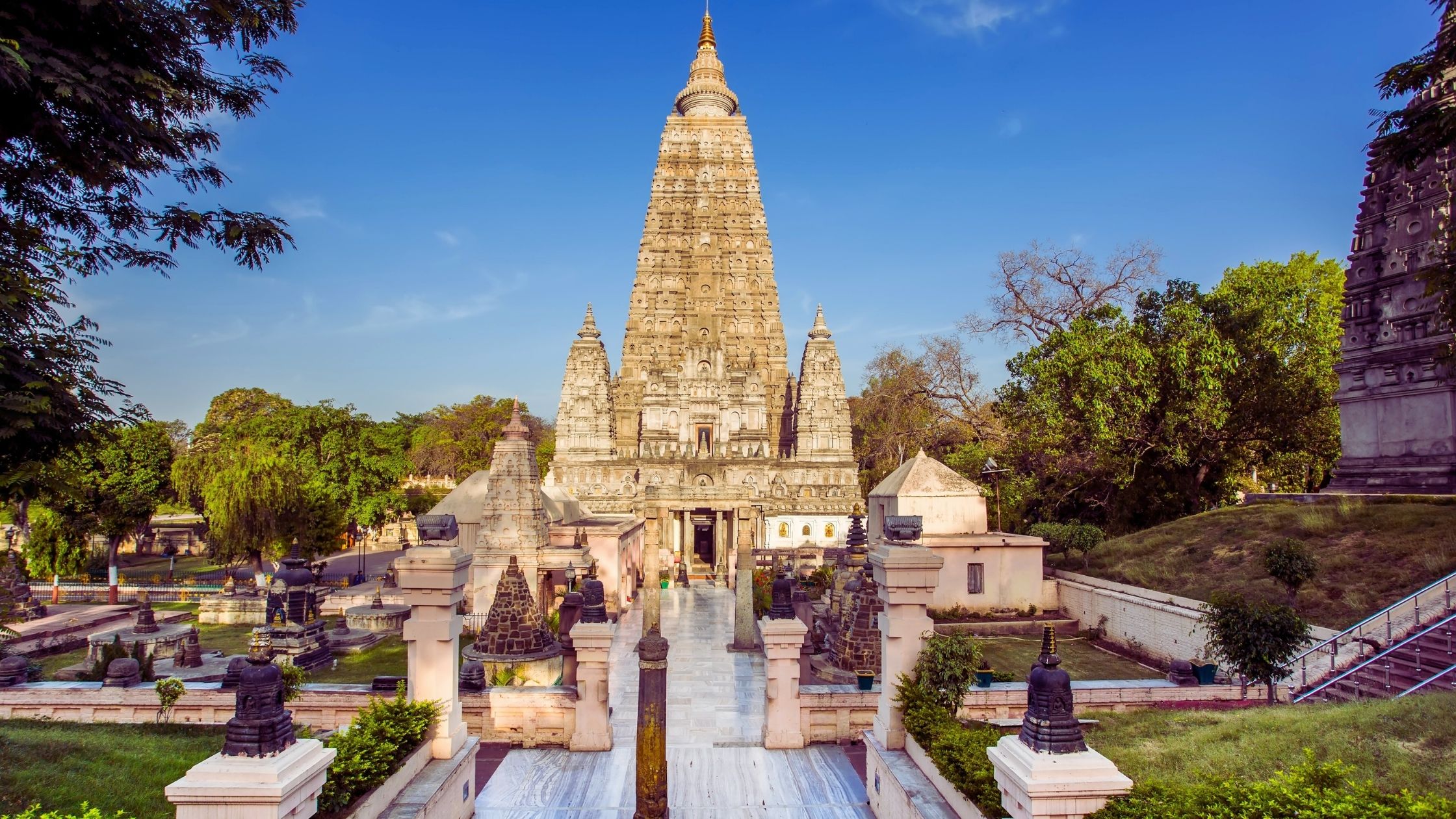
The Mahabodhi Temple Bodhgaya has been revered for centuries by Buddhists and every peace seeker of the world. When travelling towards Bodhgaya from Gaya, the dilapidated and stony landscape suddenly gives way to a clean, living and green environment. Strife and struggle seem to stall at the gates of the temple, and an altogether different feeling surrounds our souls.
The temple bells are distinctly audible once in a while as you approach the temple.
Quiet, mesmerizing and serene, soothing and peaceful, is how I can describe the place. Once in a while, you might hear monks chanting,
Buddham saranam gacchami…
Dhamam saranam gacchami…
Sangham saranam gacchami…
They pass by you quietly, oblivious of your presence.
One bright morning when I visited the temple, something in the environment made me quieter and calmer. The smell of incense, the continuous chanting of hymns by monks undisturbed by my presence and the bright sunny morning made me feel like I stood in a world so different from the one I left behind. The small town of Gaya could be defined like it was our world, and on the other end stood Bodhgaya.
One of the four holy pilgrimage sites for the Buddhists, BodhGaya is the place where Buddha attained enlightenment. Lumbini is where he was born, Sarnath is where he delivered his first sermon and Kushinagar is where his mortal body was finally laid to rest as Buddha attained Parinirvana.
After loitering for a while around the temple, I sat to read its history.
A bit about the history of the Mahabodhi temple

Sixteen kilometers from the district headquarters at Gaya, the temple contains some of the greatest wonders from the 5th and 6th century BC. The temple was built for the first time in the 3rd century BC (250 BCE), almost 2000 years after Buddha’s enlightenment. The temple standing now also dates back to the 5th or 6th centuries AD. Made of bricks, the temple structure is nothing ornate or gaudy. In 2002, the temple complex was declared as the UNESCO World Heritage site. There are seven sacred places around the temple, and each is built at a certain level. The levels mark the weeks Bodh spent while attaining his enlightenment.
- The temple complex comprises of the 11 meter high temple. The temple has entry gates in the North and the East, & the Indian style architecture is typical of the temple complex. A Diamond throne (also known as Vajrasana) is a defining factor of the temple-
- The Chaitya (Prayer Hall)- He spent his second week
- The Mahabodhi tree- spent the First Week
- The jeweled ambulatory, also called the Ratnachakrama, where Buddha paced up and down. He covered 18 paces back and forth. You can touch his lotus shaped feet built in the shape of the raised stone lotuses as you walk by the temple- spent his third week.
- Ratnaghar Chaitya is an enclosure wall- fourth week.
- Numerous votive stupas stand mute to so many years of passing by on the south of the temple.
- The lotus pond is complete with schools and schools of catfish. You can feed these ravenous creatures with small wheat dough balls- spent his sixth week
- Ajapala Nigrodh tree and the Rajyatana Tree- fifth and seventh week Buddha spent under this tree.
You can meet hundreds of devotees meditating and praying under the Bodhi tree. Monks sit meditating in the wide gardens with only birds for company and some mobile phones that beep despite the boards.
Hundreds of renovations have been attempted to heal the temple from time to time. Extensive restoration was done in the 19th and 20th centuries. However, the temple was extremely neglected from the 13th century to the 18th century AD (roughly during the reigns of Delhi Sultanate, the Mughals and then the British era). The temple renovations were taken up when the Archaeological Survey of India started their work on our most famous ancient heritages.
The Mahabodhi Tree
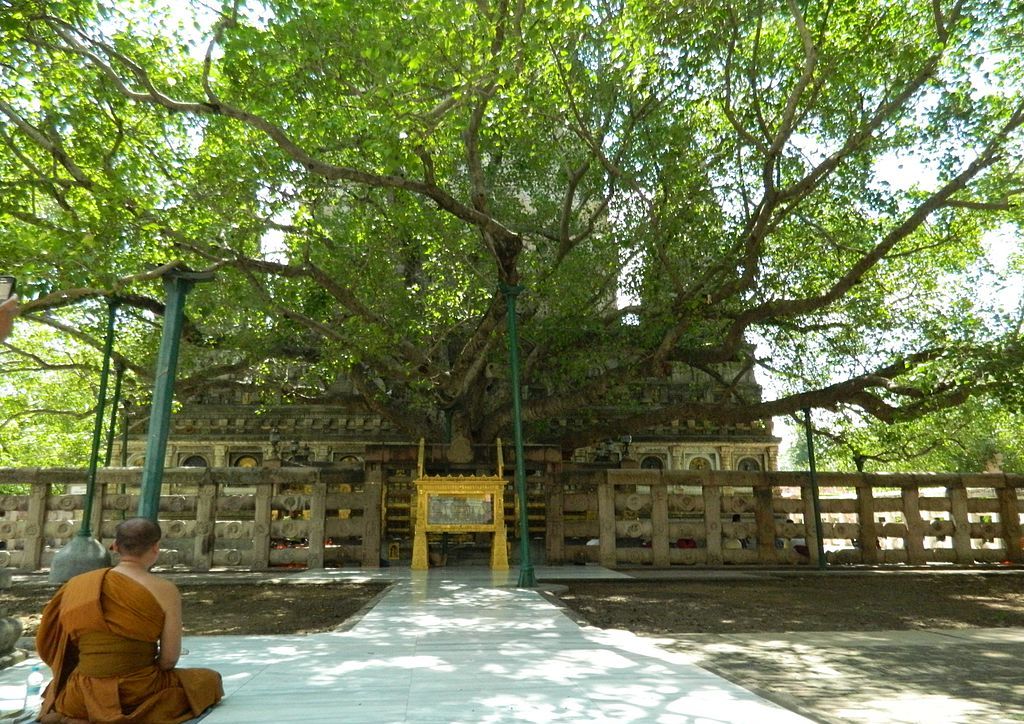
Do you know about the Bo tree or the Fig tree that stands there as a living testimony of Bodh’s enlightenment?
Here a little about it from us. Of course, the tree’s history is recorded, but we tell you a story here, about this living monument, and you must read it.
One day while moving around in the forest, Buddha was busy solving the puzzles of life; he sat down under a tree, tired, in a contemplative stage. Soon, he fell asleep, and when he woke up, he felt good, somehow refreshed. He looked up to notice the tree and when he took a good look at it, he knew what it was- A Fig tree or a Bo tree or a Peepal tree. Scientists call it by the name of Ficus religiosa from the Moracea family.
He smiled back at the tree and the Gods sitting on the tree actually blessed his growth and enlightenment. According to Hindu beliefs, a Peepal tree is full of divine creatures. This is also the reason why Peepal trees are not kept at home. They somehow prevent the growth of humans in a direction desired by them.
But, then he was Buddha, the unsuspecting One, and the non-superstitious One, so happy he felt in its company that he decided to spend seven complete days under it.
Two thousand years later, Emperor Ashok found the tree and decorated it, paid homage to it night and day, held festivals in its honor in the month of Kattika (last half of November and the first half of December). It is believed Buddha attained enlightenment on 8th December, celebrated as the Bodhi day among Buddhists.
But then, the tree did not stand as green and tall. People always had an illogical side, and a tree did not get spared from humans’ irrational, senseless wrath.
- Tissarakha, queen of Ashok, destroyed it the first time with Mandu (poison) thorns. She was jealous of his husband’s insurmountable devotion towards the tree.
- King Pushyamitra Sunga chopped it down again in the 2nd century BC after it had grown back again miraculously.
It was then in 236 BC that Princess Sanghamitra, daughter of Emperor Asoka carried the southern branch of the Mahabodhi tree to Sri Lanka. Devanampiya Tissa planted the tree and recorded its date in history and it still stands as the oldest living planted tree.
The tree faced storms, elephant attacks which it survived. Vandals attacked the tree, hacking down a branch in 1929 and then again in 1985 by the Tamil Tiger, who also hacked down 146 Sinhalese Buddhists.
Once you have enjoyed the coolness of the Bodhi tree, you can now wander out of the temple complex to witness other marvels in Bodhgaya. The Mahabodhi tree shreds leaves, and if a leaf is shredded on you, do not forget to take it home.
Other BodhGaya temple marvels
1) The Royal Bhutan Monastery

Built by the Royals of Bhutan to respect Lord Buddha, the temple is built in a typical Bhutanese style. A 7-feet tall image of the Buddha stands in the middle of the temple and is surrounded by ornate images and fresco paintings. The monastery also houses a 15 room guesthouse for monks that can be used for resting.
You can visit it for free as the temple is open from 7 AM to 12 PM and again from 02:00 PM to 05:00 PM.
2) The Great Buddha at BodhGaya
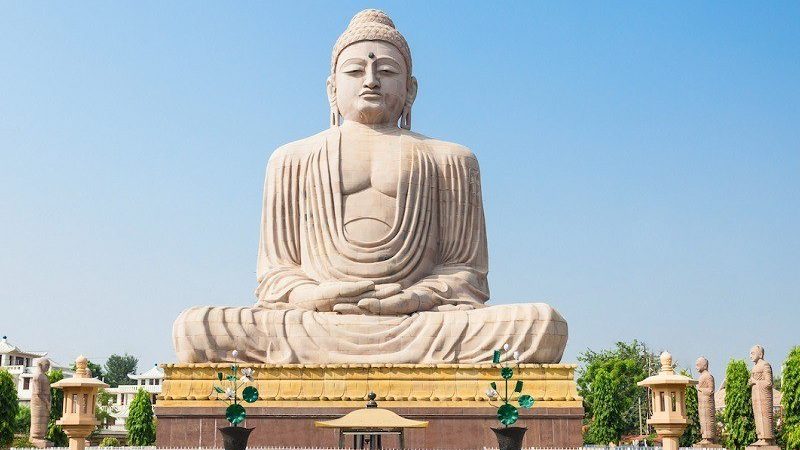
It is a towering 80 feet Buddha consecrated by none other than the 14th Dalai Lama in 1989. Built of sandstone, the status took seven years and 12000 stonemasons to complete.
3) Daijokyo Buddhist temple
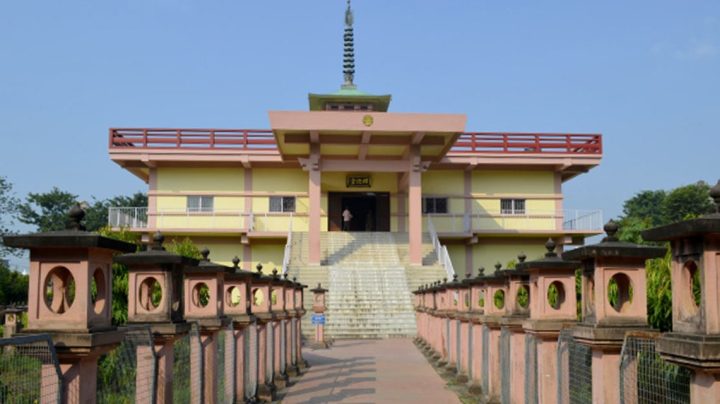
Built with bright portraits from the Jatakas, the temple interiors tell you a tale. You can actually sit there long to soak the positive vibes of the temple.
4) Burmese Vihar Monatery
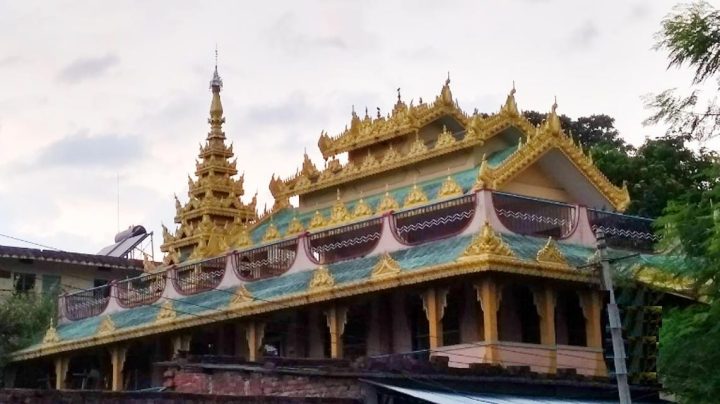
Its flying saucer like rooftop is one of its kind in Bodhgaya. Replete with Burmese culture and beliefs, the temple talks about their devotion to Him.
5) Vietnamese Temple

Built in 2002, the temple represents the Buddhist beliefs and practices of Vietnam. The Avalokiteshvara statue and the carvings and architecture of the temple are worth watching.
6) Indosan Nippon Japanese Temple
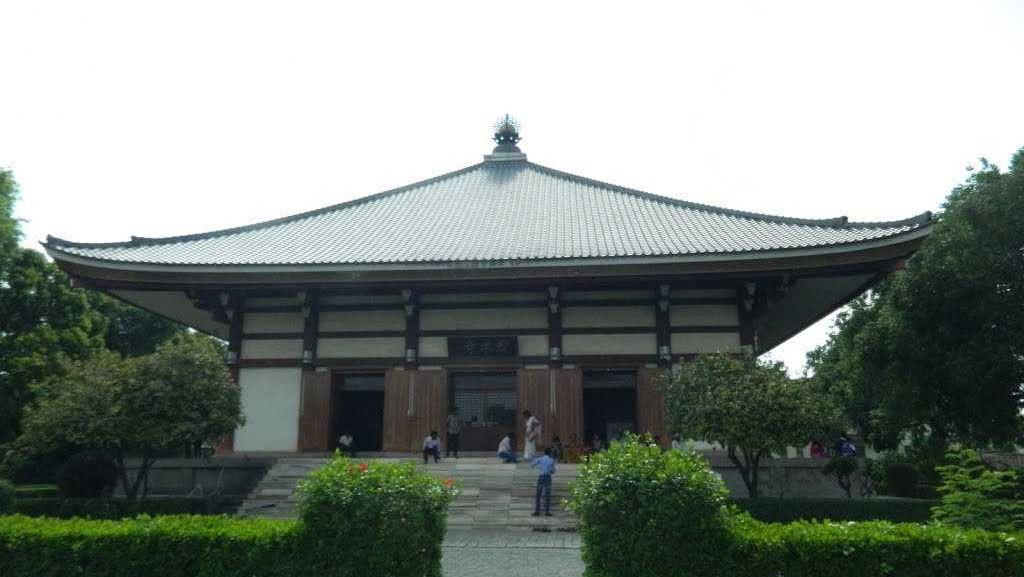
Built in 1972, the temple is sculpted of woods. Wooden carvings and the stark simplicity of the temple might scare you or might inspire your reverence.
7) Chinese Temple

Three golden statues of Buddha sit as the primary attraction of the temple.
8) Thai Monastery

The Thai monastery was built by the Monarch of Thailand when requested by the then Prime Minister of India, Pandit Jawaharlal Nehru.
Thai architecture, sloping roofs, curved at ends is beautiful to watch.
This is all about it. This was my journey. Hope you enjoy reading it!
We Want to Control Everything

We want to control everything
We want to tame down all.
Our desire to control,
overpowers our inner animal.
Our inner animal overpowers,
our inner human.
I understand fighting
against an enemy that tries to kill us.
But why kill?
Why territorise?
Why not live together?
One who understands enmity,
often fails to practice it.
One who fails to practice enmity,
are often termed as weak men.
A weak man is always overpowered.
So, we must keep killing.
Many must die for one to stay.
Many must go for one to be.
One man drops his weapons,
another tries to overpower, what must one do?
Pick it up again?
Blame the world for making him a killer?
A horrible killer?
Killer of men, slayer of dogs,
Master of violence.
The happy days are gone as a man watches in mute silence,
as men watch obliquely.
All these ages have gone past,
What makes humans forget every time
They are born here; we are to make peace and not war.
We are to return home and not wade far.
That one thing in us – a worm I call, could not be killed in so many years when we have almost killed all –
our mightiest enemies,
our faintest fears,
Our near and dear,
our garish ears,
our inner gears,
the world we hear,
our mockeries & jeer,
We kill always our dear & near.
That inner worm still lives after so many years!
mRNA Cancer Treatment of BioNTech Proceeds to Human Trials
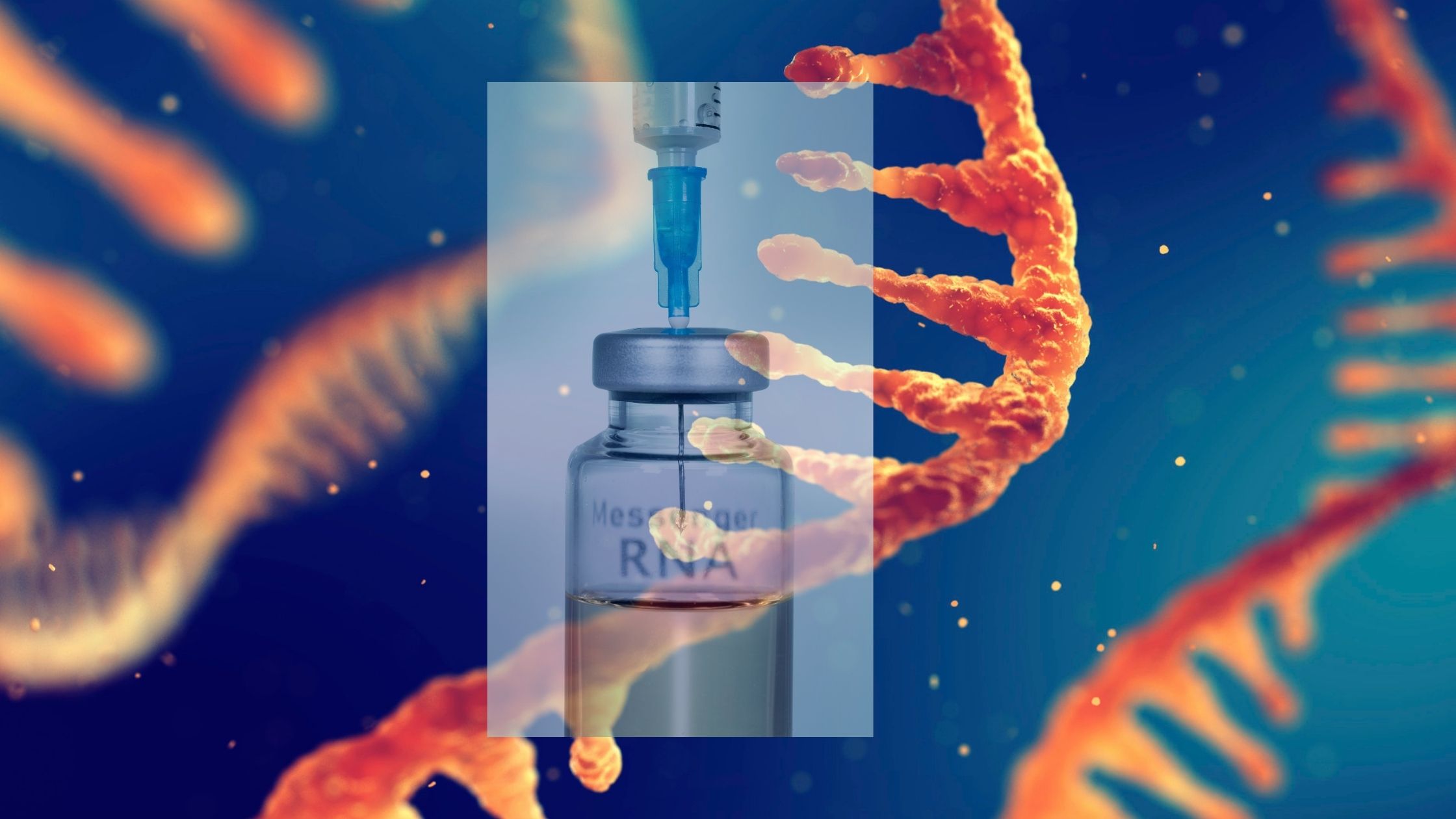
BioNTech’s mRNA cancer treatment has taken a new turn. The mRNA cocktail’s success in various mouse models of cancer has encouraged human trials. Find out more on the study and what is in the pipeline from this blog.
BioNTech, a German biotechnology company, is ushering us towards a new era of mRNA cancer treatment. Already famous for developing the mRNA Covid-19 vaccine with Pfizer, BioNTech’s research is ready to progress to conducting mRNA cancer treatment trials on humans.
BioNTech’s research team has designed a cocktail of mRNAs that can be used as mRNA cancer vaccines. The treatment with the mRNA mixture produced substantial results in the mouse models of colon cancer and melanoma. When combined with the checkpoint inhibition, it produced even better results. The study has been published in the scientific journal Science Translational Medicine.
Scientists began exploring mRNA-based anticancer vaccination and therapeutic approaches about 25 years ago. The renaissance of mRNA cancer immunotherapy happened again recently. mRNA cancer drugs can become an off-the-shelf potent immunotherapeutic tool to combat cancer. Let’s explore the mRNA cancer immunotherapy study conducted by BioNTech further.
mRNA cancer treatment study conducted by BioNTech
Messenger RNA molecules can attack cancer cells by prompting the body cells to make proteins. Scientists have developed a mixture of mRNA that could instruct the patient bodies’ immune cells to produce cytokines. Cytokines are already naturally produced in the body by T lymphocytes, B lymphocytes, macrophages, mast cells, endothelial cells, fibroblasts, and stromal cells.
mRNA drugs and vaccines can boost cancer-specific T cells besides inducing immunological memory to prevent metastasis and relapse. The best part is that it can be administered via various routes and can be mass-produced.
Details of the research:
The study conducted on multiple mouse models of colon cancer and melanoma showed that the mRNA cocktail upon delivery to the target cells could instruct them to produce anticancer molecules. This helped suppress tumours, and the data obtained from the study supported further development of the cytokine-encoded mRNAs.
The mRNA encoding four cytokines identified as mediators of tumour regression – interleukin-12 (IL-12) single chain, interferon-alpha, granulocyte-macrophage colony-stimulating factor, and IL-15 sushi was delivered by intratumoral injections in mice. These cytokines produced robust anti-tumour responses and tumour regression in the mice.
The administration of the saline-formulated mixture of four mRNAs in a group of 20 mice showed significant tumour suppression. Not only this, but the mRNA mixture brought about complete regression in 17 mice in a time span of 40 days. Further, when the mRNA mixture was administered in combination with either anti-CTLA-4 or anti-PD-1 checkpoint inhibitors, it increased the regression speed.
Additionally, in some mice, it was also observed that the therapeutic molecules travelled from the targeted cancerous cells of the skin to distant lung cancer cells and displayed an anti-tumour response. This suggests that mRNA cancer treatment can be a powerful weapon against the most complicated aspect of cancer treatment – metastasis.
Effective anti-tumour activity was also accompanied by intratumoral IFN induction, increased granzyme B+ T cell infiltration, systemic antigen-specific T cell expansion, along with the formation of immune memory.
The success of the study on the mice model paved the way for phase one/two human trials. BioNTech and Sanofi have come together to carry out the phase 1 basket trial of the mRNA cancer drug called SAR441000. Human trials on patients with solid tumours have been ongoing since 2019 in 231 participants. In the trial, the mRNA mixture is being tested as monotherapy and also in combination with Libtayo.
Libtayo (cemiplimab-rwlc) is a PD-1 inhibitor introduced by Regeneron Pharmaceuticals and Sanofi-Aventis. Preliminary results of mRNA cancer treatment trials on humans released in November 2020 indicated no severe adverse effects.
Key hurdles of mRNA cancer treatment in the past
When it comes to creating cancer vaccines or anticancer therapies, the primary challenge has always been to deal with the numerous ways cancer cells use to evade the body’s immune system. Tumour cells have the uncanny ability to create microenvironments around themselves that can avoid immune responses. So, choosing the right antigen is the biggest hurdle in the case of anticancer treatment agents.
Another potential problem is dealing with the rapid mutations in cancerous cells. So, even if a vaccine can target multiple antigens, it is not certain that the immune system will respond to it.
This is why researchers are now pursuing the novel approach of using neoantigens. Neoantigens are antigens forming on mutating tumour cells.
Researchers have been exploring immunotherapy for a long time but targeting the drug always posed a challenge earlier. Direct systemic administration has led to several toxicities and side effects.
On the other hand, the challenge with mRNA was its rapid degradation in situ. But in modern times, mRNA is considered an ideal vehicle that is helping with cell targeting. Further, to prevent the rapid degradation of mRNA by ribonucleases, it can be encapsulated with suitable agents. This can thus increase its stability and improve its targeted delivery to cells.
What is in the pipeline for mRNA cancer treatment?
mRNA cancer vaccines can be used both in prophylaxis and treatment. After sequencing the target pathogen, designing the mRNA in way is needed to prompt the cells to produce target proteins. These proteins play an important role in producing the desired immune response.
Therefore, several mRNA cancer treatment companies are now testing various options.
- BioNTech and Roche, in partnership, are conducting phase 1 trials of BNT122 for treating metastatic melanoma. This vaccine contains 20 different neoantigens.
- Keytruda, an immunotherapy developed by Merck, is also being tested as an adjuvant therapy along with BioNTech’s BNT122 mRNA cancer vaccine.
- Moderna’s personalized mRNA cancer vaccines, mRNA-4157 and mRNA-5671, can express tumour neoantigens to produce an immune response.
Conclusion
When the Covid-19 virus outbreak affected all corners of the globe, Comirnaty, the breakthrough mRNA-based Covid-19 vaccine developed by Pfizer & BioNTech, became a potent saviour. It is composed of a nucleoside-modified mRNA encoding the full-length spike protein of the mutated form of the SARS-CoV-2 virus. Encapsulated within lipid nanoparticles, the nucleoside-modified mRNA is administered via the IM route. So far the vaccine has shown promise in offering protection against Covid-19 in real-world conditions.
The mRNA cancer therapies and the Covid-19 vaccine work on the same principle: to produce an immune response against an antigen (cancer cells in case of the former and virus protein in case of the latter). However, mRNA cancer vaccines are therapeutic, while the Covid-19 vaccines offer protection against viral infections.
Growing incidences of mRNA’s clinical application, along with several preclinical and clinical studies, have already established that transcript-based anticancer therapies have strong potential and a bright prospect.
Read more about infections that can cause cancer.
iPhone 13 Release Date Announced at Apple’s September Event
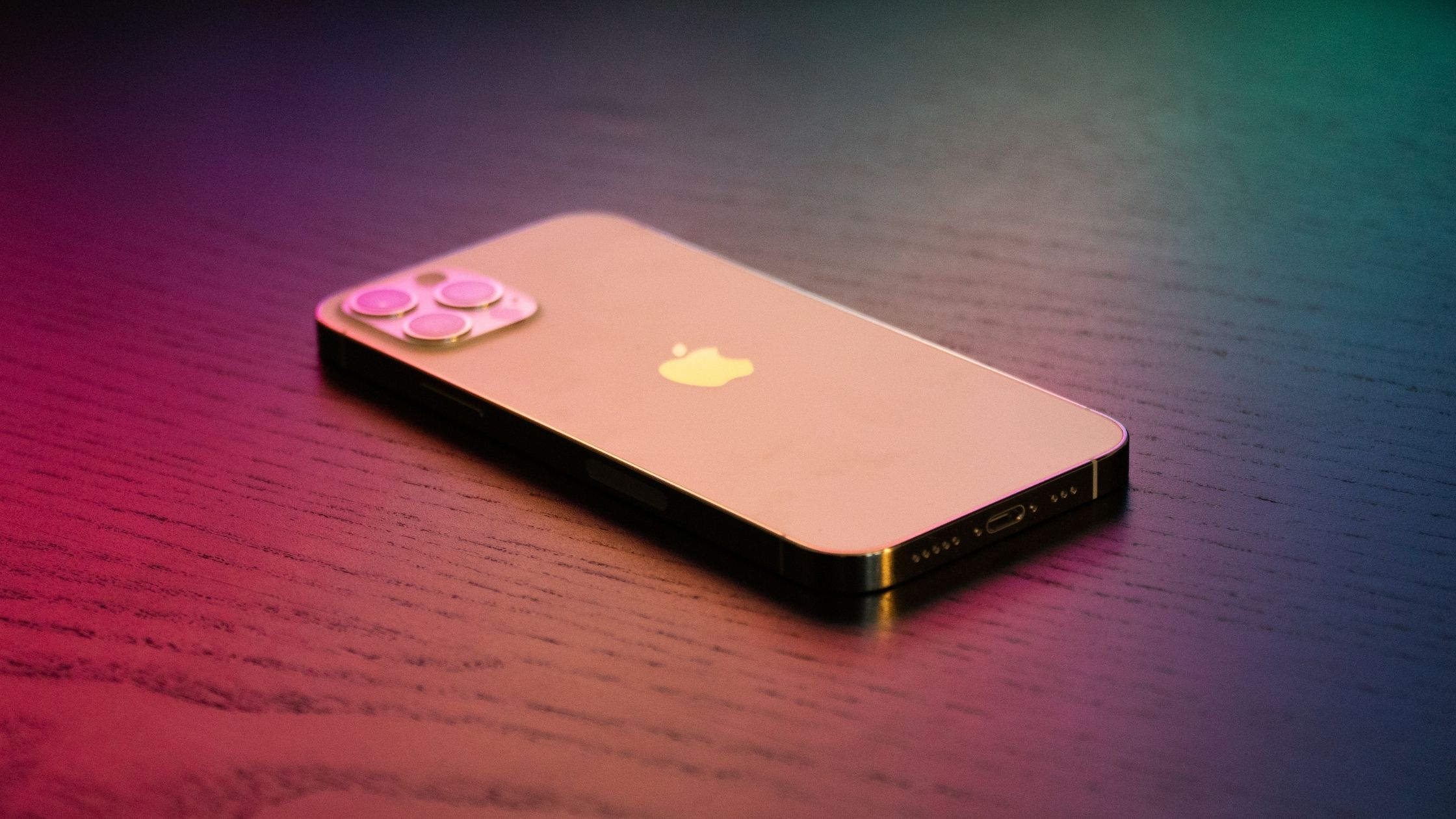
iPhone 13 sale is going live from September 17. Unravel from this blog what’s packed in the latest iPhone 13 for iPhone lovers.
At yesterday’s September event held in California, Apple unveiled the upcoming Apple iPhone 13 and announced what’s in pipeline for Apple customers this year. In the fall product launch event, Apple announced that it would be launching the new iPad and iPad mini, the Apple Watch Series 7, and the iPhone 13 in four models.
The release dates of the new line of products from Apple are as follows:
| Apple iPad and iPad mini release date | Available for sale now and shipping begins next week |
| Apple Watch Series 7 release date | By fall 2021 (date unspecified) |
| iPhone 13 release date | Pre-order begins from September 17 and shipping starts on September 24. |

Apple’s senior vice president of Worldwide Marketing, Greg Joswiak said that Apple has designed iPhone 13 to be more powerful, capable, and fun to use. He further added that both iPhone 13 and iPhone mini have beautiful designs, advanced camera systems, and enhanced battery life. Apple iPhone 13’s competency is unmatchable owing to the several upgrades in its features along with its integration with iOS 15 and best-in-class privacy built-in features.
Tech specs of Apple iPhone 13
The four models of iPhone 13 to be introduced this year are iPhone 13, iPhone mini, iPhone Pro and Pro Max with a mélange of newer enhancements. Here is a list of the major innovations that you will find in the new iPhone this year.
Design, Display & Colour
The exterior design of the iPhone 13 is similar to that of the iPhone 12 but with some variations of course. With a smaller notch, sleek design with flat edges, the new iPhone will be incredibly durable owing to its aluminium frame, ceramic shield front cover, and IP68 rating for water resistance. Apple iPhone 13’s are splash, water, and dust resistant.

iPhone 13 and iPhone mini will be having 6.1-inch and 5.4-inch displays and would come in five captivating colours – pink, blue, midnight, starlight and (PRODUCT) RED. Meanwhile, the Pro and Pro max will have the same screen sizes as iPhone 12’ Pro models. They will be 6.1-inch and 6.7-inch respectively. Super Retina XDR OLED displays will be responsible for an amazing contrast ratio for true blacks. The display brightness will be 28% higher.
The rear camera layout is different from that of the iPhone 12 with the dual camera lenses arranged diagonally now.
A15 Bionic Chip & iOS 15
A15 Bionic chips are based upon 5-nanometer technology featuring 15 billion transistors. It has a new 6-core CPU, of which two are high-performance cores and the other four are high-efficiency cores. This would make iPhone 13 the fastest smartphone capable of tackling the most demanding tasks effortlessly.
The GPU consists of four cores making the new iPhone capable of supporting graphics-intensive games smoothly. Further, the 16-core Neural Engine can process 15.8 trillion operations per second.
The new iOS 15 is bringing a host of enhancements and on-device intelligence. Users can now enjoy a new 3-D city driving and walking experience with the help of integrated AR. FaceTime calls will be smoother with spatial audio and portrait mode. Live Text will use on-device intelligence to identify texts in photos.
Storage & Pricing
The storage and prices of the new 13 models are mentioned below:

Improved battery life
Apple versions, both have undergone major battery life improvements. With a larger battery and better power optimization capability, iPhone 13’s battery will last throughout the day.
Additionally, the battery longevity of this iPhone versions will be 2.5 hours more than that of iPhone 12 and iPhone 13 mini’s will be 1.5 hours more than that of iPhone 12 mini. The same applies to iPhone 13 Pro and Pro Max.
5G compatibility
5G technology is already knocking at our doorstep and so Apple has customized the hardware design to support increased 5G bands so that it can provide 5G coverage seamlessly. By the end of 2021, Apple will support 200 5G carriers in 60 countries. This will help iPhone users stream high-quality videos, make FaceTime calls, play high-end games, and do a lot more without hassles and lags.
Breakthrough camera innovations
The upgrades in the camera design of the iPhone models include hardware improvements and the inclusion of computational photography. The wide-angle rear camera will come with 1.7 µm, the biggest ever sensor, and the unique sensor-shift OIS technology. The lenses will be able to intake 47% more light owing to the f/1.6 aperture of the primary camera.
The rear camera of these phones will have 12MP dual wide and ultrawide cameras while the Pro models will have 12MP telephoto, wide, and ultrawide camera lenses. The selfie camera of all iPhone 13 models will be 12MP TrueDepth.
Videos will now feature a ‘Cinematic Mode’ that will record videos in Dolby Vision HDR besides supporting 4K video recording ability. Entry models of iPhone for the first time will have sensor-shift optical image stabilization.
With this and a lot more, Tim Cook, CEO of Apple, wrapped up the event yesterday. Earlier this year, it was anticipated that the prices of iPhones might increase due to the computer chip shortages that the electronics industry is facing currently. However, as of now, no price hikes have been noticed. Another noteworthy attribute about iPhone 13 is that it is designed carefully to reduce its impact on the environment. So, its just a matter of few days when users can have the latest iPhones in their hands. You can start pre-ordering your iPhone 13 from September 17.
Pterosaur Fossil Excavated in Chile
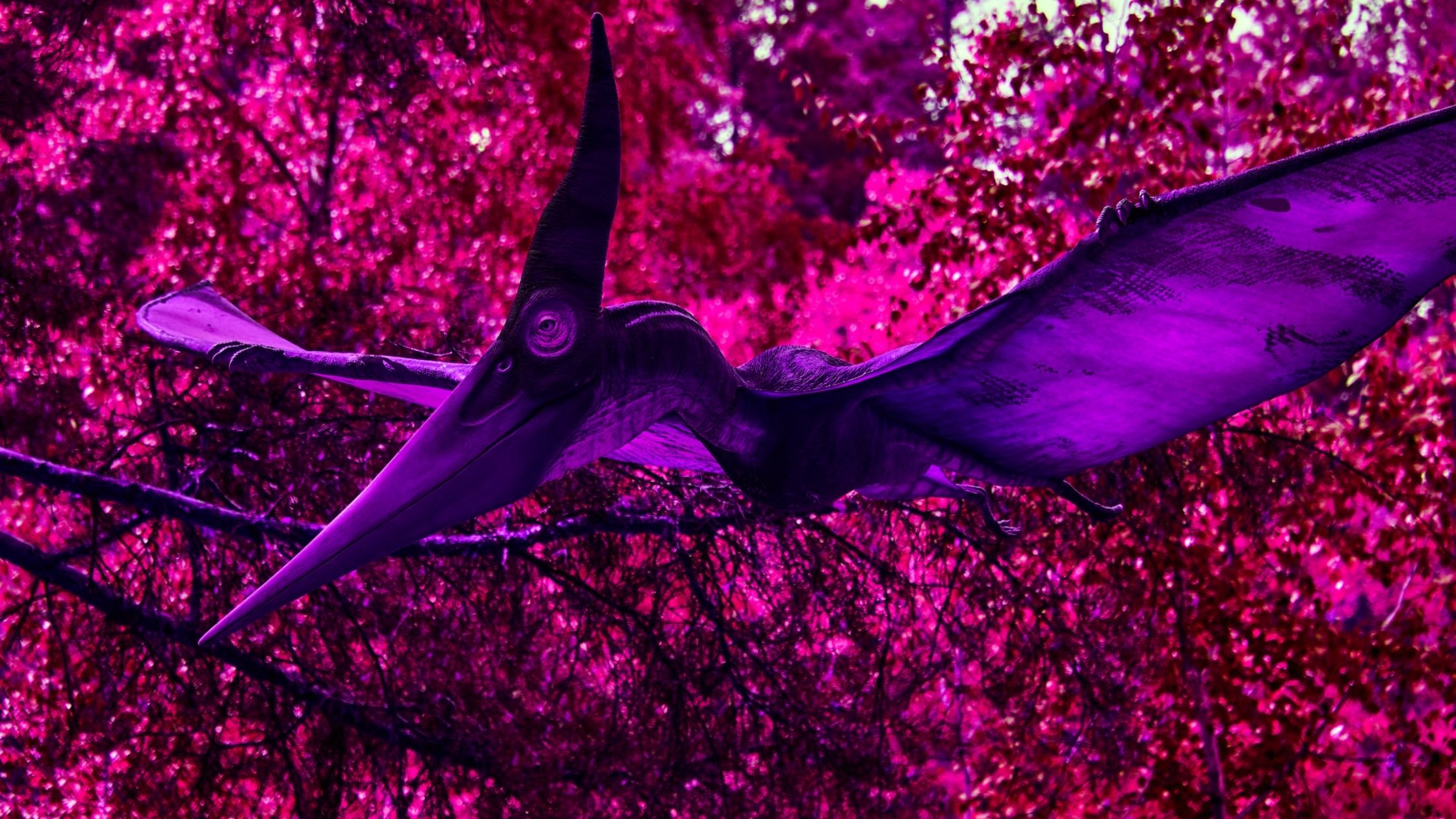
Read this post to learn how the excavation and discovery of the 160 million-year-old pterosaur’s fossilized remains changed the perspective of palaeontologists.
A first-time discovery of the pterosaur fossil in Chile has thrilled palaeontologists immensely. Scientists excavated the Jurassic-era “winged lizard” in 2009 from the Atacama Desert of South America. The fossilized remains were identified to be of the pterosaur which was one of the predominant species living in the prehistoric supercontinent Gondwana.
Scientists have confirmed after careful observation that the unearthed remains were of the rhamphorhynchine pterosaur. Hailed as the oldest known pterosaur ever discovered in Chile, the researchers believe that this flying reptile lived about 160 million years ago.
The details of this discovery were published in the scientific journal Acta Palaeontologica Polonica. Jhonatan Alarcon, a researcher at the University of Chile said that this discovery has proved that the distribution of prehistoric species was wider than known till now.
About Pterosaurs
Pterosaurs were from the Mesozoic period, and they are not classified as dinosaurs typically. The term pterosaur is derived from the Greek words “pteron,” meaning wing and “suaros,” meaning lizard.
The characteristic features of the prehistoric flying reptile included a pointed snout, large wings with a wingspan of up to two meters, and a long tail. They had hollow bones like birds. Their wings were formed of membranous skin, muscle, and other tissues.
Known to be one of the earliest vertebrates, the two main types of the winged reptiles identified are basal pterosaurs and pterodactyloids. Basal pterosaurs, also called rhamphorhynchoids, were smaller in size with long tails. Pterodactyloids, on the other hand, were characterized by larger sizes and vivid shapes. They are known to have reduced tails, long necks, larger heads, and narrower wings.
The first pterosaur fossil description was laid out by German naturalist, Cosimo Alessandro Collini in 1784. In the early 19th century, French anatomist, Georges Cuvier called this creature Ptero-dactyl and recognized it to be a reptile with wings. After initial discoveries in Europe in the 18th century, palaeontological research of the pterosaur progressed further. They were later discovered in North America in the 19th century and now in South America.
 TheScientificTriangle
You must be logged in to post a comment.