TheScientificTriangle
What about the environment and science
How Time Management Reduce Stress
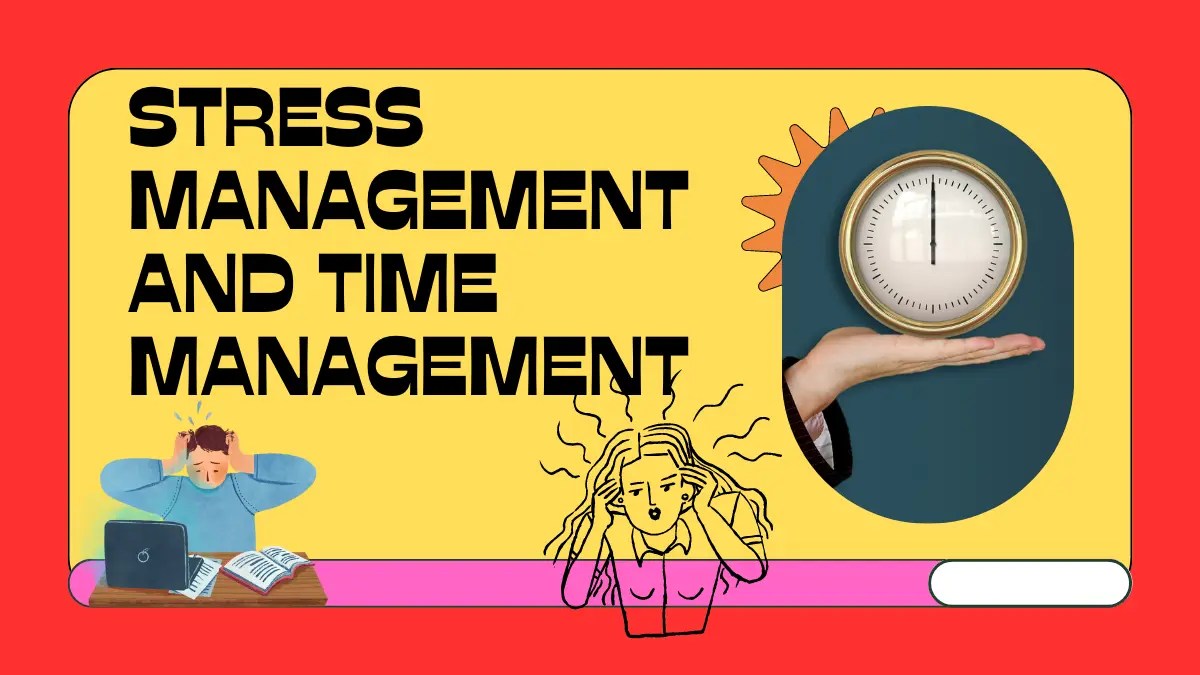
WHO defines the term How Time Management Reduce Stress as any type of modification that leads to physical, emotional, or psychological strain. But long before I had even heard about WHO or the literary word “stress,” I could identify it. That uneasy feeling came with the thought of going to school on Monday or finishing homework the day before school reopened after summer vacations.
Most of the stress factors affecting us are somehow related to our inability to deal better with time compared to the tasks at hand. This is where time management comes into play. Time management is the concept of organizing one’s activities in an orderly manner and allotting the proper amount of time to each task for better productivity.
Hence, in the modern world, stress management and time management have become important life skills that we all need to imbibe to work in a stress-free and smarter manner. If you are unsure how to manage stress and your time well, then this is the aptest blog for you.
Stress management and relaxation techniques
There is a famous quote in Buddhism; “If a problem can be fixed, there is no need to worry. “If it can’t be solved, there is no use in worrying.” This very line is quite applicable in our daily lives as well if we remember to remind ourselves of it.
General ways of reducing stress:
Below are a few ways of reducing stress in day-to-day life. The stress management chart is a visual representation of the pointers below.
- Express gratitude for the good things in your life.
- Eat healthily.
- Drink plenty of water.
- Take ample rest.
- Think positive.
- Exercise daily.
- Meditate and unwind regularly.
- Take breaks in a planned way.
- Love yourself and be kind to yourself.
- Go for long walks.
- Listen to relaxing music.
- Take a bath with Himalayan rock salt.
- Play with pets.
- Pick a hobby and engage in the activity often.
- Cook for a change.
- Share a good laugh with your loved ones.
- Gaze at the stars.
Stress management for employees and professionals:
Maintain a time log
Keeping track of your time can give you a basic idea of the pace at which you normally work. This will normally enhance your planning ability and give you a realistic view of your day.
Plan your days realistically
Setting realistic goals in today’s life is the key to success and happiness. Planning your activities in advance and keeping a to-do list or maintaining a planner can be of great significance. One can take the help of the SMART goal-setting approach.
Specific: The best way to manage stress and improve your productivity is to divide your goal into smaller sets of tasks and sub-tasks. This will help reduce the load of the activity. You can then make a schedule for completing each activity. This way, you will stay organized, focused, and on track.
Measurable – Quantify tasks and sub-tasks by measuring the time needed to complete each of them.
Achievable – Design your schedule in a realistic manner so that accomplishment of the tasks becomes possible.
Realistic – Being realistic with your goals means including adequate breaks and calculating the actual amount of time required to perform each activity.
Timely – Set realistic deadlines for each set of tasks. Once a person establishes this habit, they can accomplish more and avoid procrastination.
Distribute tasks among teammates
Whether at home or in the office, knowing your limits and asking for help is never a crime. When in trouble, talk to people and distribute smaller tasks among them to tackle everything smartly.
Be bold to say “No”
One way to stop upsetting your schedule is to be able to say “no” to unplanned activities if they don’t seem urgent. You developed the habit of sticking to your schedule and disciplining your mind in this manner.
Learn to prioritize tasks
Once you have broken down your big task into a subset of smaller tasks, you next have to learn to be able to decide what is more important in the group. This makes it easy to accomplish things.
Stop procrastinating
“A journey of a thousand miles begins with a single step.”
Lao Tzu
Rather than attempting to complete a large amount of work in a single day, taking one small step each day can make a significant difference in your accomplishments and reduce your work stress.
Keep things sorted
Keeping your workspace, cupboard, room, and life organized can often minimize time waste and help you stay more focused on your daily activities. Time management reduce stress through sorting of things that impact your life on a daily basis.
Stress management during exams: How Time Management Reduce Stress
Following smart planning techniques from childhood can help shape individuals’ stress and time management skills. However, here are a few more tips that may come in handy to cope with stress during boards.
- Follow the 45-minute rule of studying and take a break for at least 10 minutes.
- Follow various breathing techniques.
- Take a good night’s rest.
- Seek assistance from friends and family.
- Keep yourself hydrated.
- Engage in sports or some activities during the evenings.
- Set realistic goals.
Do stress management techniques actually work?
We all have unique stressors, and similarly, in this life journey, we all need to identify our unique ways of dealing with them. Indeed, parents must incorporate stress management techniques into their child-rearing practices. Different stress management techniques work for different people. Feel free to add to the above tips any that have had a positive effect on you.
Time is one of the most valuable resources we have on the planet, but only when we know how to work in sync with it. Stress in today’s world is universal, and a few lines by Marcus Aurelius seem befitting while ending this article:
 TheScientificTriangle
Pingback: Whole-Body Health Strategies for Coping with Chronic Illness